Cylinder Liner Cavitation: Causes, Symptoms and Prevention
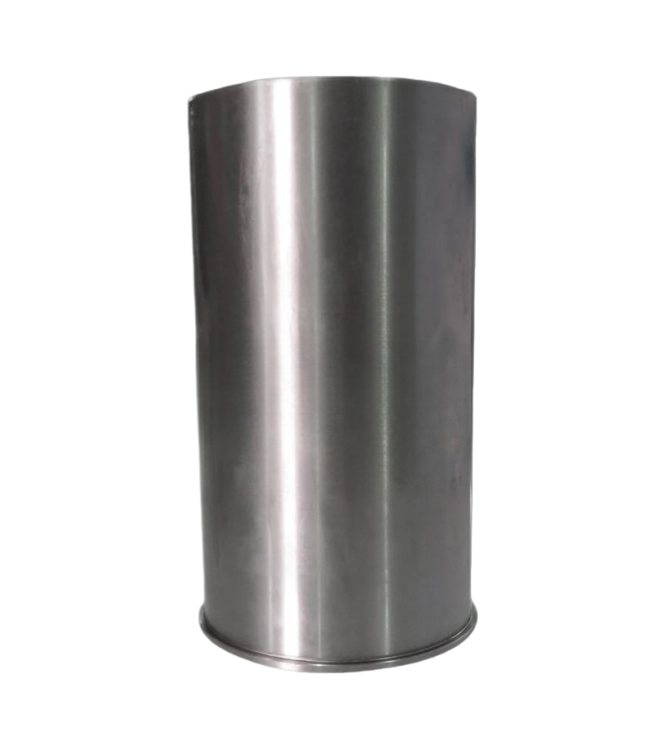
Liner cavitation is the failure that surprises owners most, because the engine never overheats and the coolant looks fine right up to the point where coolant starts disappearing. By the time the symptom appears, the liner is usually already perforated, and the damage is often misdiagnosed as a head gasket for weeks. This guide explains what cavitation actually is, why diesel wet liners are vulnerable, how to tell it apart from a head gasket failure, and what prevents it. What cavitation is As the piston moves, the liner wall vibrates at high frequency. On the coolant side, that vibration alternately pressurises and depressurises the liquid in contact with the liner. When local pressure drops far enough, the coolant vaporises into tiny bubbles; when pressure recovers a moment later, those bubbles collapse. WP12 wet liner – cavitation damage appears on the coolant side, not the bore. Each collapse produces a small jet of liquid against the liner surface. Repeated millions of times, it erodes the metal — first pitting it, then perforating it. The process is mechanical, not chemical, which is why a liner can look perfectly smooth on the bore side while being holed on the coolant side. Why diesel...
Learn More