The WD615 is the engine that built the reputation of Chinese heavy trucks. It has been in continuous production for decades, it is still everywhere in Africa, the Middle East and Central Asia, and it is the single most rebuilt diesel in those markets. The consequence for buyers is simple: there are more revisions, more superseded part numbers and more look-alike components than almost any other engine family.
This is a component map rather than a sales page. It explains what each major assembly does, what varies between revisions, and what to check before ordering — so a rebuild does not stall on the third day because the front cover does not match the water pump.
The engine has been built across several decades by more than one factory, and the part numbering runs in three parallel systems: the 6126 series, the 6150 series and the newer numeric series. The same component can appear under more than one number depending on production period, and two parts with adjacent numbers can be entirely different.
On top of that, the WD615 sits close to the WP10 and the WD618 in the range. Some parts cross over, some do not, and the difference is often invisible until assembly. The rule that saves the most money: buy by number and measurement, never by model name alone.
The block is the reference for every dimension in the engine — main bore alignment, deck height, liner bore geometry. On a WD615 it is worth measuring rather than assuming: after decades of service, decks warp and main saddles take a set. A deck that is out of flatness will destroy a new head gasket regardless of how carefully the head is torqued.
The crankshaft is nitrided, and journal ovality is what kills bearings. Measure ovality at several positions along each journal, and check the fillet radii — a shaft reground without restoring the radius will crack at the web. Main and big end shells come in standard and undersize grades and the grade must match the journal after any regrind.
WD615 cylinder heads were revised repeatedly. Injector bore depth, port shape and coolant outlet position differ, and none of it is visible once the head is installed. Compare the old head gasket with the new one before stripping the engine: fire ring position, coolant hole pattern and thickness. If any of the three differ, check the casting number against the engine plate.
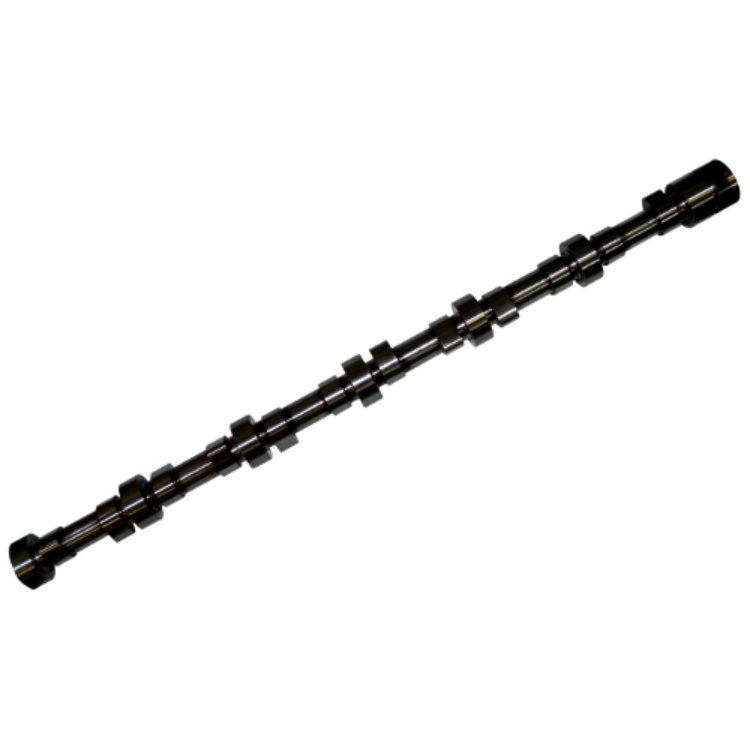
Head bolts are torque-to-yield and single use. Reusing them reduces clamping load exactly where the gasket needs it most. On the valve train side, a new camshaft should always be fitted with new lifters — used lifters carry a wear pattern matched to the old lobes and will scuff a new shaft within minutes.
Wet liners rely on two measurements to seal: bore roundness and protrusion above the deck. Protrusion is what allows the fire ring to crush onto the liner top. Measure it with a dial gauge on every cylinder and write the figures down; uneven protrusion clamps the head gasket unevenly and produces a repeat failure that looks like a gasket fault.
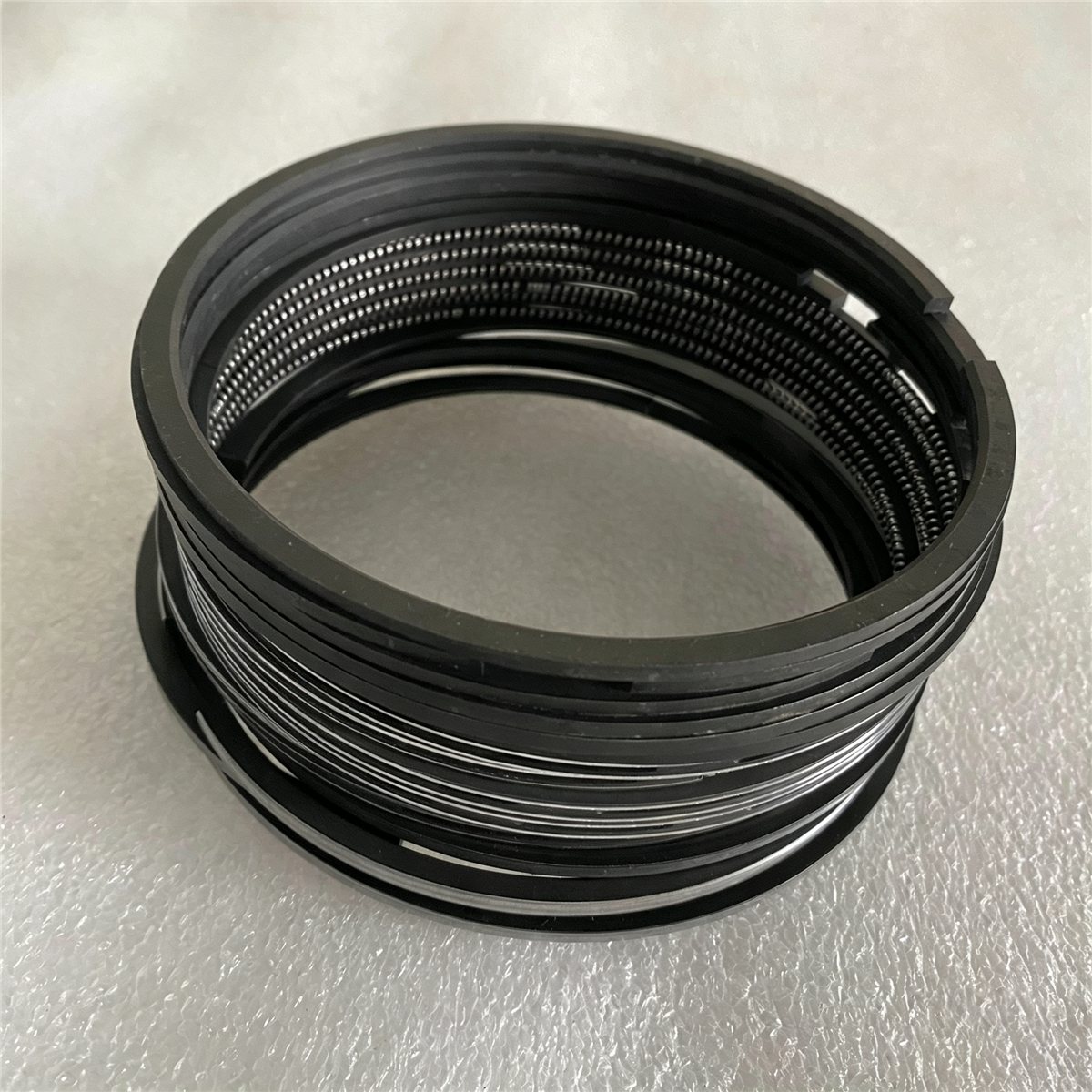
Pistons must match the rating, because the bowl profile controls combustion. Rings must suit the piston groove, and the end gap must be measured in the bore the ring will actually run in — not in a spare liner on the bench.
WD615 oil pumps appear under a long list of numbers, and adjacent numbers frequently share a housing casting while differing in drive gear, pick-up tube or relief valve setting. A pump with the wrong drive bolts up and fails to feed correctly, and the bearing damage happens within seconds of the first start.
The oil cooler is the other half of the lubrication story. A restricted cooler raises oil temperature and drops pressure at the bearings even when the pump is healthy, so check cooler flow during any overhaul.
Coolant pumps differ mainly in pulley diameter, pulley offset and inlet angle. Those three dimensions decide whether the belt runs true and whether the hose reaches without strain — a correct body casting with the wrong pulley destroys belt alignment within hours and then fails the bearing.
Before blaming the pump for overheating, check the thermostat, the radiator core and the fan drive. A restricted core produces the same temperature rise under load as a worn pump, and cleaning it costs nothing.
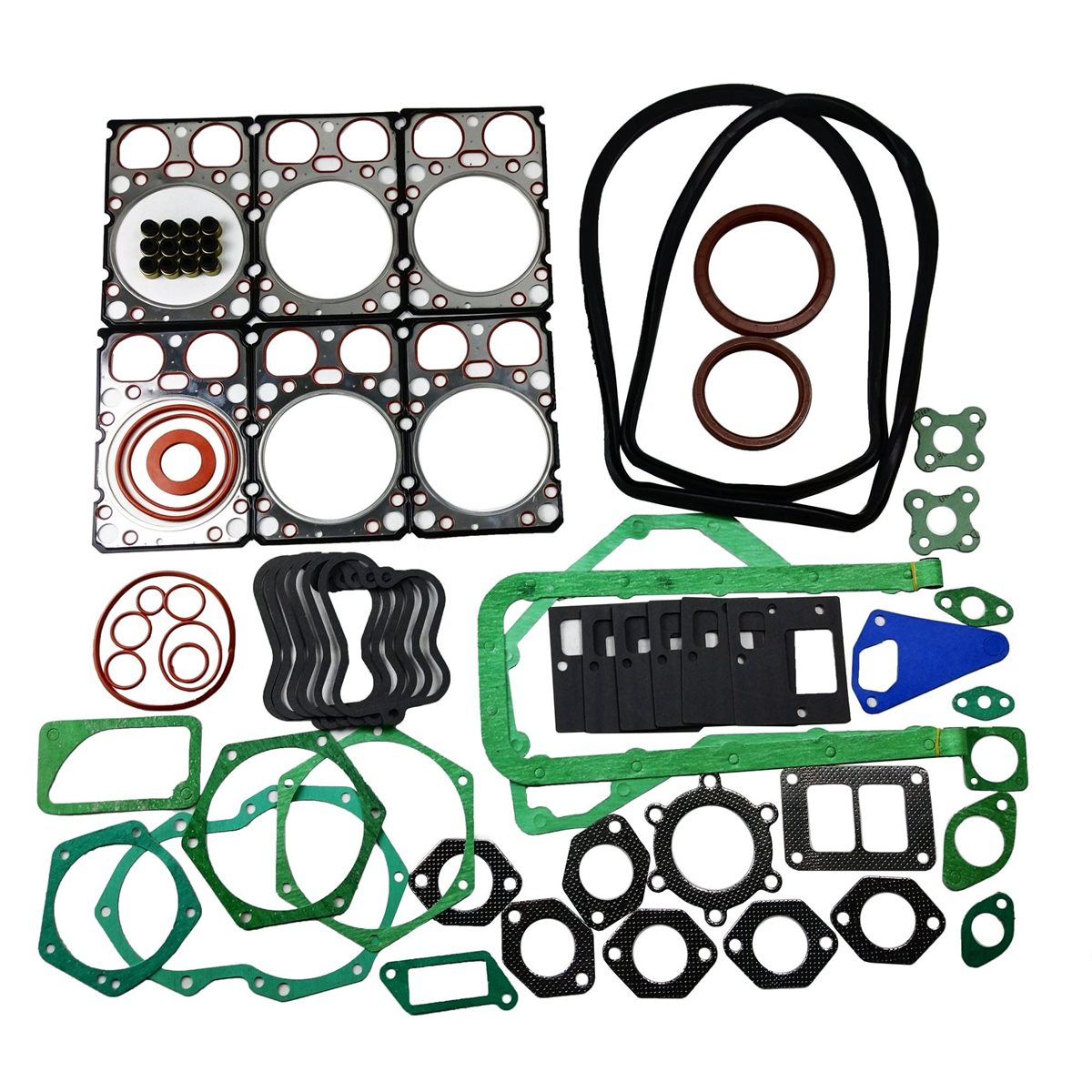
Full gasket sets differ mainly in the head gasket, which is matched to the head casting. A kit from the wrong generation will fit and leak at the fire ring, and the leak is usually blamed on the installer. Buying the full set rather than individual gaskets also guarantees that no copper washer or small O-ring is forgotten.
| Assembly | What varies | How to confirm |
| Cylinder block | Casting revision, front cover pattern, mount pads | Casting number plus photos of the pads |
| Cylinder head | Injector bore depth, ports, coolant outlet | Casting number and old head gasket pattern |
| Head gasket | Fire ring position, hole pattern, thickness | Compare old and new side by side |
| Liner | Flange thickness, bore finish | Protrusion with a dial gauge |
| Piston | Bowl profile, groove width | Piston number and engine plate |
| Rings | Thickness, radial tension | Groove width and end gap in the bore |
| Camshaft | Lobe profile, pump drive gear | Part number and gear teeth count |
| Water pump | Pulley diameter and offset | Measure pulley and mounting face |
| Oil pump | Drive gear, pick-up, relief setting | Old pump number and photo of drive end |
| Crankshaft | Damper fixing, flywheel flange | Photos of both shaft ends |
Many are shared, but casting revisions and rating-specific components mean each part must be confirmed by number or measurement.
Measure it. For a pump, pulley diameter and offset. For a liner, bore and flange thickness. For a head, the casting number.
The one whose head gasket matches your head casting. Compare fire ring position and hole pattern before ordering.
Usually glazed bores from immediate full load, ring gaps measured in the wrong bore, or rings fitted upside down. Break-in matters as much as parts.
Our Weichai Power parts range is organised by component type, which makes variants easier to compare than a model-based catalogue. For the assemblies covered here, see the WD615 cylinder head, the WD615 full gasket kit, the WD615 camshaft, the WD615 water pump and the WD615 piston ring pages.
If the numbers on your engine are gone, send photographs of the component from two angles with a ruler alongside, plus a clear photo of the engine plate. That is normally enough to confirm the variant before anything ships.

