Weichai builds more heavy diesel engines than any other Chinese manufacturer, and the parts catalogue reflects that: several families, overlapping part numbers, and a numbering system that changed more than once. Buying the right part is mostly a matter of knowing which family the engine belongs to and reading the number correctly.
This guide maps the families, explains the number prefixes, and covers what actually wears in each application.
| Family | Class | Common use |
| WD615 | 9.7 L six | Heavy trucks, plant, gensets 鈥?the long-running workhorse |
| WD618 / WP12 | 11.6 L six | Heavy haulage, mining, construction |
| WP10 | 9.7 L six | Trucks, buses, machinery |
| WP13 | 12.5 L six | Heavy haulage, mining, high-output gensets |
| WP6 / WP7 / WP8 | 6 – 8 L | Light trucks, agricultural, smaller plant |
| WP9 | 9 L six | Plant, gensets, buses |
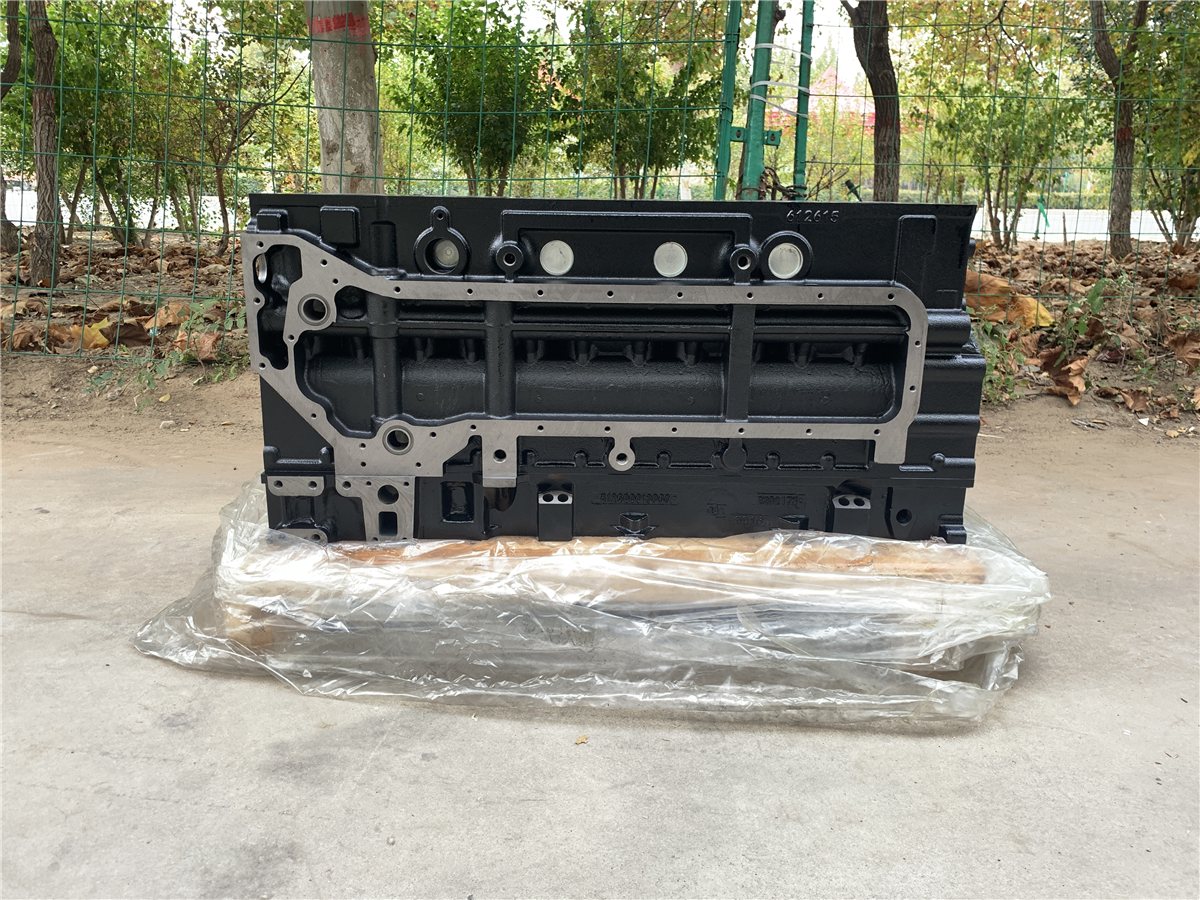
The families share architecture but not parts. A WP10 liner will not fit a WP12, and WD615 and WP10 share many components but not all 鈥?the casting revision decides it.
Four prefixes cover most of what you will see:
The prefix narrows the family; it never confirms the part. Several components were superseded into the numeric series, so the same physical part can appear under a 61xx number and a 1000-series number on different engines.
| Application | First to wear | Watch for |
| Long-haul truck | Rings, liners | Oil consumption, blow-by, hard cold start |
| Mining / plant | Cooling, head gasket | Overheating, coolant loss, dust ingress |
| Genset | Valves, injectors | Glazed bores from light load, smoke |
| Agricultural | Pumps, belts | Coolant leaks, bearing noise |
The wear order changes the buying order. A genset set rarely needs a crankshaft; a mining engine often needs the head before the bottom end.
Orders that skip these four usually result in one of two outcomes: a part that does not fit, or a part that fits and behaves differently from the one it replaced.
Pumps and coolers are where a cheap part costs the most, because their failure takes the engine with them. Coolant pumps in these families differ mainly in pulley diameter, pulley offset and inlet angle — three dimensions that decide whether the belt runs true and whether the hose reaches without strain. A correct body casting with the wrong pulley destroys belt alignment within hours and then fails the bearing, and the pump is blamed for what was an ordering error.
Oil pumps follow the same logic on the drive side. Adjacent part numbers frequently share a housing while differing in drive gear, pick-up tube or relief setting, and a pump with the wrong drive bolts up and fails to feed correctly. Prime the pump and confirm pressure before the first start; never crank a fresh rebuild hoping pressure will arrive.
All three circulate in this market and the difference is supplier-dependent rather than category-dependent. What separates a usable aftermarket part from a liability:
Ask for those three in writing. A supplier who cannot name the supersession is guessing.
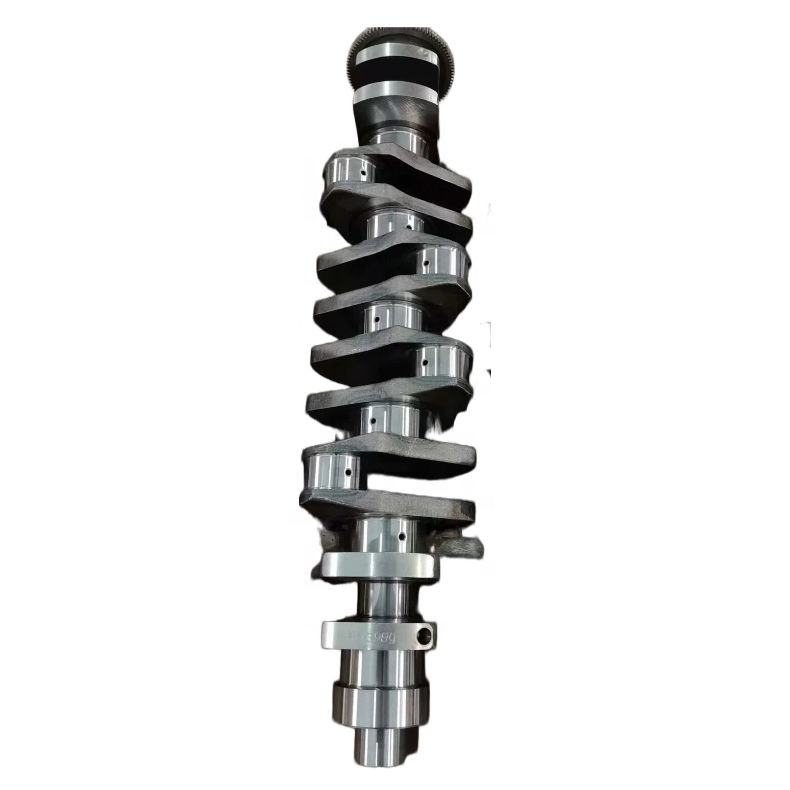
Weichai built the same displacement in several ratings, and the rating changes the parts that touch combustion. Pistons, piston rings, head gaskets and injectors are all specified by rating, while blocks, crankshafts and camshafts are shared across a family.
That split is what makes rebuild orders go wrong. A piston from a neighbouring rating fits the bore perfectly and changes the bowl profile, so the engine runs with the wrong combustion characteristics — smoke under load, poor economy, hard cold starting — and nobody suspects the piston because it installed cleanly.
The reliable sequence is to identify the rating from the engine plate and the old piston number, then order the combustion-side parts against that, and only afterwards order the mechanical parts by casting number. Doing it in the other order is how a rebuild ends up with a correct bottom end and an engine that never runs right.
For a mixed fleet the highest-value stock is not expensive: gasket sets, liner sets, ring sets, injector washers, thermostats, hoses and one spare water pump per family. Those cover most unplanned stops. Holding a crankshaft for each model ties up capital for a failure that is rare.
Many are shared, but casting revisions and rating-specific components mean each part must be confirmed by number or measurement.
The WD615 and its derivatives, by a wide margin 鈥?it has been in production for decades across several factories.
Only where the number and casting match. The 6127 prefix is shared, but rating-specific parts are not interchangeable.
Measure the component and photograph it with a ruler, then confirm the group from the prefix and the casting number.
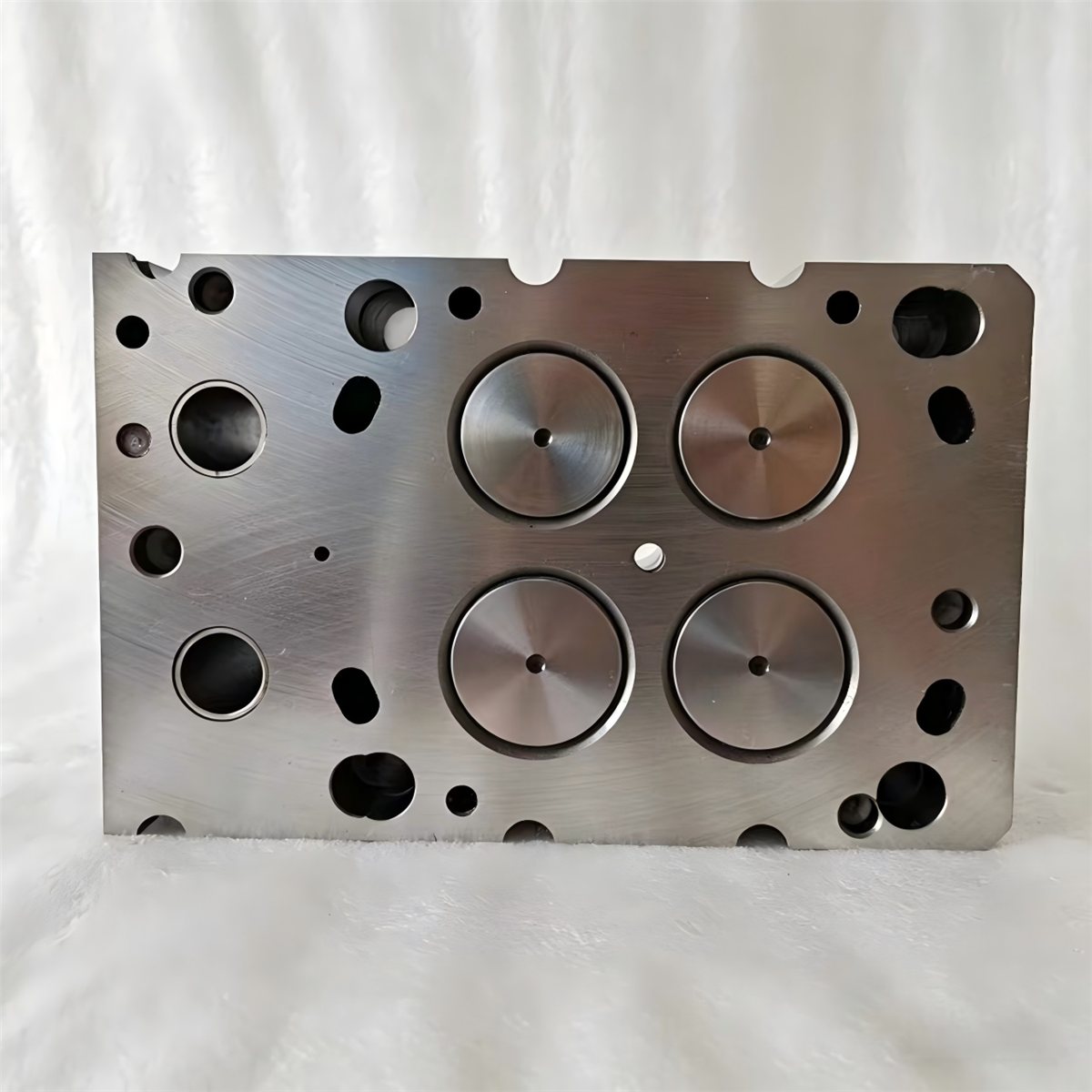
Our Weichai Power range is organised by component rather than by model, which makes variants easier to compare. For the assemblies discussed here, see the WP13 cylinder block, the WD615 cylinder head, the WP12 crankshaft and the connecting rod section.
If you are unsure which family an engine belongs to, send the engine plate and a photograph of the component. The plate settles the model; the photograph settles the revision.

