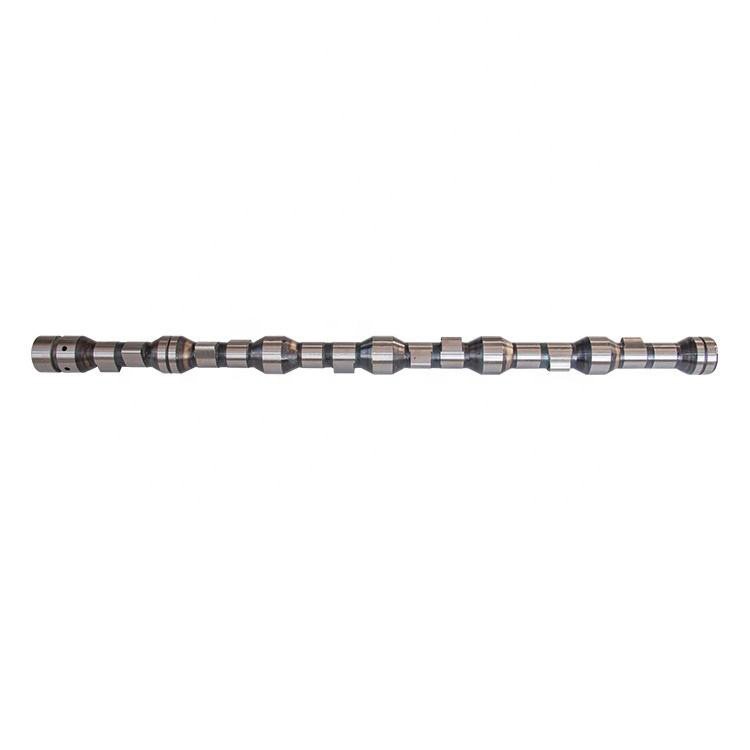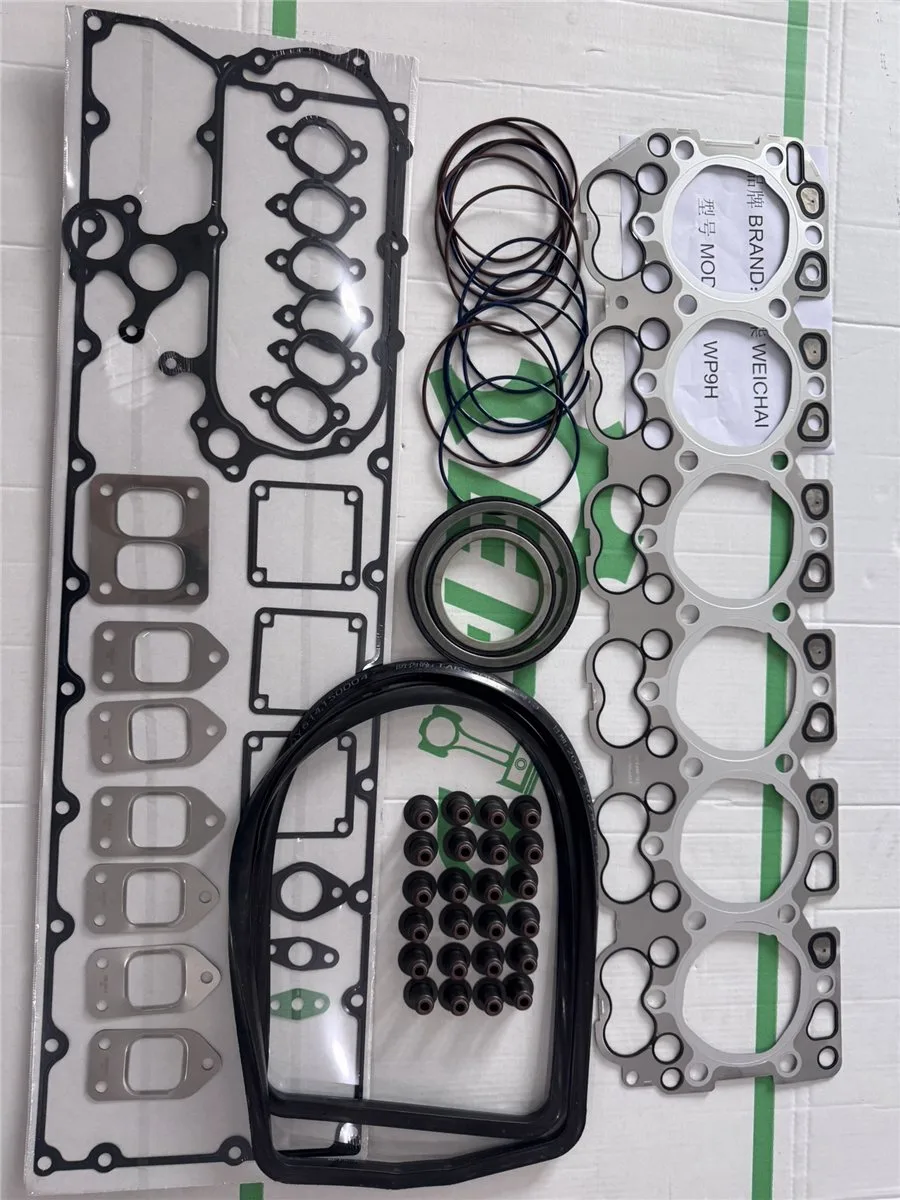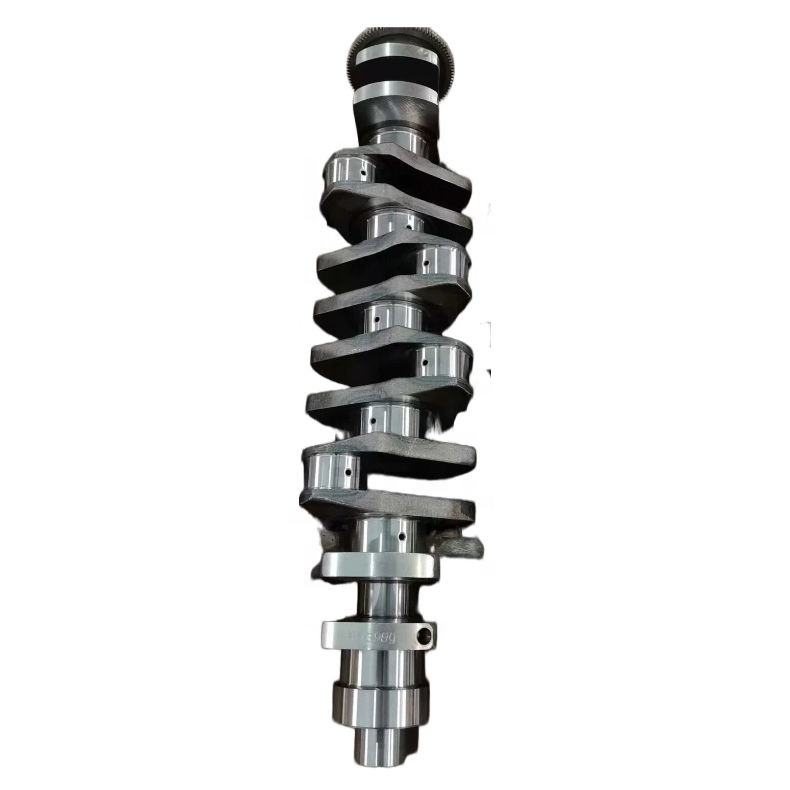

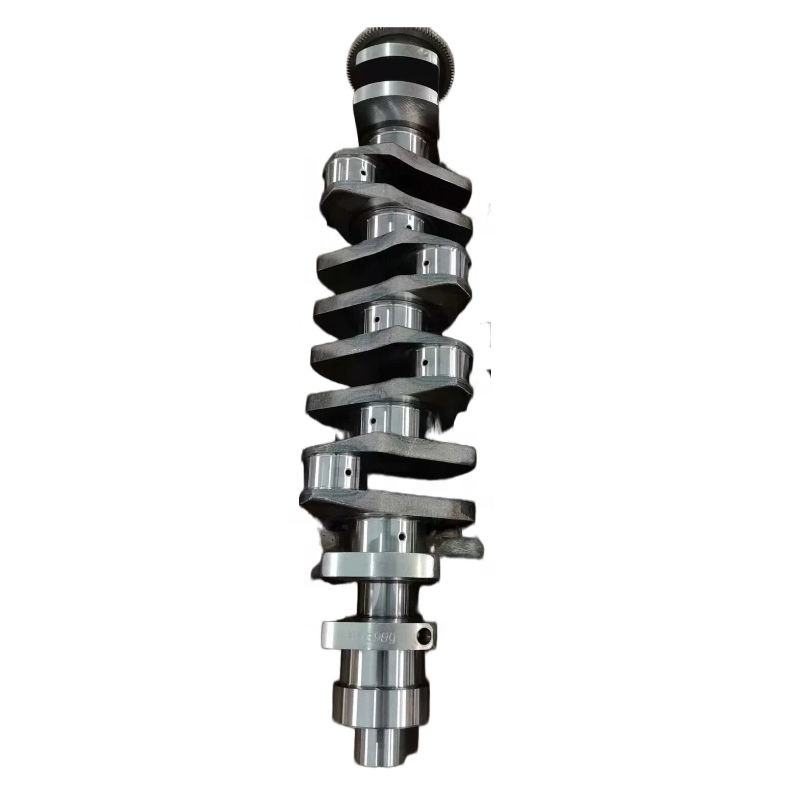
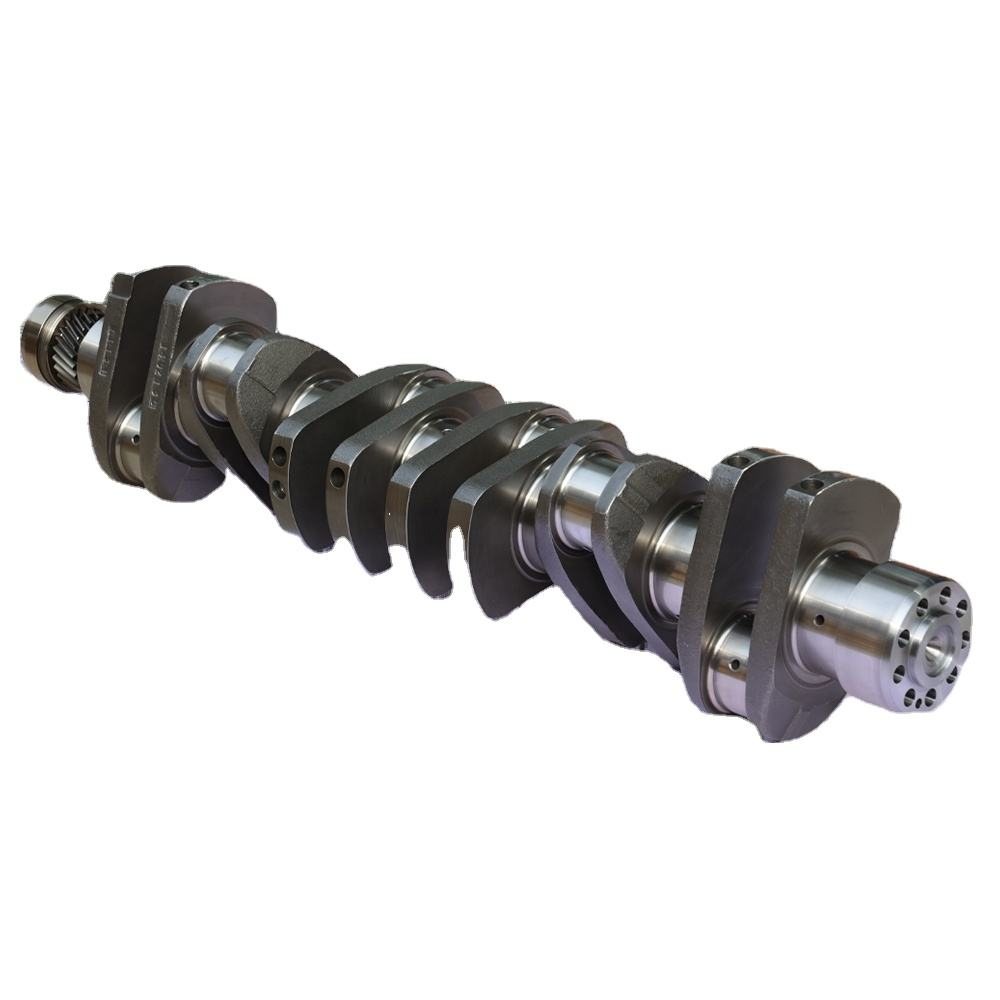
Model: WP12 / WD618
Part Number: 1006466581
Brands: Weichai Power
Engine Model: WP12, WD12, WD618, WP12.430, WP12.460
Engine Type: Diesel
Scope of application: heavy trucks, mining dump trucks, construction machinery, marine and generator engines
A 12-litre diesel produces high torque from low speed, which means heavy bending loads along the shaft and strong torsional pulses from six firing cylinders. Part 1006466581 is the crankshaft used in the WP12 and WD618 family, forged from alloy steel, induction hardened and nitrided, then ground to standard journal size.
The shaft carries the main and rod bearings, drives the oil pump and camshaft through the gear train and hands torque to the flywheel. Once a journal loses roundness, the bearing cannot hold an oil film and failure follows quickly.
The shaft fits WP12 and WD12 road engines and the WD618 industrial and marine variants, including heavy tractors, mining dump trucks, large loaders and generator sets. Confirm the engine plate and the old crankshaft number: front pulley and flywheel flange details differ between variants even when the main dimensions look the same.
Every shaft is measured after grinding. Journal diameter and ovality are checked at several points along each journal. Fillet radii are verified because fatigue cracks begin at sharp fillets. Run-out is checked on centres, and the thrust face is measured for flatness and finish, which control end float and oil loss.
Shafts ship in a braced crate with sleeves on the journals. If you need an undersize for a repair, tell us before dispatch.
Bearing noise and oil pressure are the two indicators that matter. A knock under load that fades at idle is the classic warning, and by the time it is loud the journal is usually already damaged.
Match the part number, the journal size and the shells you intend to fit. Mixing a reground shaft with standard shells guarantees failure. Give us the bearing part numbers with your enquiry and we will verify the journal size before shipping.
WP12 and WD618 crankshafts look similar but the damper fixing and, on some industrial variants, the flywheel flange differ. A shaft from the wrong variant may fit the block but will not accept your existing damper. Photographs of the old shaft ends resolve the question faster than any catalogue lookup.
Crankshafts are dense and awkward, so they are bolted into a braced timber crate with journals sleeved and lifting points marked. Freight is charged on weight and volume, so tell us whether the shaft travels with a block so we can plan the load.
Lubrication and vibration control decide crankshaft life. Use the specified oil, change it at the severe-duty interval, keep the cooler clean and never run with a leaking injector that thins the oil. On engines that have suffered a hydraulic lock or a broken damper, check straightness before reuse.
A six-cylinder crankshaft twists and untwists several times per revolution. The damper at the front of the engine absorbs that oscillation. When the damper rubber perishes, the oscillation reaches the shaft directly and fatigue cracks begin at the fillets. Many crankshaft failures blamed on oil are actually damper failures that went unnoticed.
Inspect the damper whenever the shaft is out. Check for a displaced ring, cracked rubber or rust streaks that show relative movement. A damper that has rotated on its hub is scrap, and fitting a new shaft without a new damper is a gamble.
Yes. Journals and fillets are nitrided for wear and fatigue resistance.
Only if enough hardened layer remains. Most export buyers prefer a new standard shaft.
Strongly recommended. A tired damper is a common cause of failure.
Mount on centres and measure run-out at the centre journal.
Explore the Weichai crankshaft category, and complete the bottom end with the WP12 cylinder block 612630010679 or the WP12 oil pump 612600081127.
Weichai WP12 Crankshaft (1006466581). Everything the engine produces passes through this shaft. Journals, fillets and the damper interface all decide how long the bearings survive, and all three are measurable before assembly.
Confirm which undersize step, if any, the shaft needs, and order the shells to match the journal after grinding rather than the original size.
Numbers beginning 1006 belong to the numeric series used on WP12 and WD618 later production. Cross-referencing against the old part number is recommended. On this engine, confirm the WP12 application against the engine plate before ordering.
Ask the machine shop explicitly whether the fillet radius has been restored, and to what value. Fatigue cracks start at the journal-to-web transition, and a sharp corner from grinding is where they begin.
Ordering note. If the old number has been superseded, the replacement number is quoted alongside the original so the purchasing file stays consistent.
Related reading: Crankshaft Inspection: Journals, Fillets and Regrinding
| We Are 30 Years Diesel Engine Parts Supplier | |
| Brand | EPID |
| Warranty | 12 Months |
| Condition | 100%New |
| More Models | Weichai: WP12, WD12, WD618, WP12.430, WP12.460, and other Weichai series. |
| Shipping | By sea / air / express (DHL, FEDEX, TNT, UPS, EMS) |
| Packing | Standard exporting packing or as required |
| Payment Term | L/C, T/T, Western Union, Trade Assurance |
| Delivery Time | 3-7 days (depend on order) |
| Selling Point | 1. On-time Delivery 2. Genuine Quality Assurance 3. Professional Supplier |
Every shaft is measured after grinding. Journal diameter and ovality are checked at several points along each journal. Fillet radii are verified because fatigue cracks begin at sharp fillets. Run-out is checked on centres, and the thrust face is measured for flatness and finish, which control end float and oil loss.
Shafts ship in a braced crate with sleeves on the journals. If you need an undersize for a repair, tell us before dispatch.
Bearing noise and oil pressure are the two indicators that matter. A knock under load that fades at idle is the classic warning, and by the time it is loud the journal is usually already damaged.
Match the part number, the journal size and the shells you intend to fit. Mixing a reground shaft with standard shells guarantees failure. Give us the bearing part numbers with your enquiry and we will verify the journal size before shipping.
WP12 and WD618 crankshafts look similar but the damper fixing and, on some industrial variants, the flywheel flange differ. A shaft from the wrong variant may fit the block but will not accept your existing damper. Photographs of the old shaft ends resolve the question faster than any catalogue lookup.
Crankshafts are dense and awkward, so they are bolted into a braced timber crate with journals sleeved and lifting points marked. Freight is charged on weight and volume, so tell us whether the shaft travels with a block so we can plan the load.
Lubrication and vibration control decide crankshaft life. Use the specified oil, change it at the severe-duty interval, keep the cooler clean and never run with a leaking injector that thins the oil. On engines that have suffered a hydraulic lock or a broken damper, check straightness before reuse.
A six-cylinder crankshaft twists and untwists several times per revolution. The damper at the front of the engine absorbs that oscillation. When the damper rubber perishes, the oscillation reaches the shaft directly and fatigue cracks begin at the fillets. Many crankshaft failures blamed on oil are actually damper failures that went unnoticed.
Inspect the damper whenever the shaft is out. Check for a displaced ring, cracked rubber or rust streaks that show relative movement. A damper that has rotated on its hub is scrap, and fitting a new shaft without a new damper is a gamble.
Explore the Weichai crankshaft category, and complete the bottom end with the WP12 cylinder block 612630010679 or the WP12 oil pump 612600081127.
Yes. Journals and fillets are nitrided for wear and fatigue resistance.
Only if enough hardened layer remains. Most export buyers prefer a new standard shaft.
Strongly recommended. A tired damper is a common cause of failure.
Mount on centres and measure run-out at the centre journal.
EPID supplies diesel engine parts for Weichai, Baudouin, Yuchai, Caterpillar, Sinotruk, FAW Xichai and Cummins engines. Every order is checked against the original part number before packing, and our team can identify a part from a photo of the engine plate. Ask for a quotation with your model and quantity and we will reply within one working day.