Cummins parts are harder to identify than most engine parts because the same component appears under several numbering systems at once: the Cummins part number, the CPL code that defines the build, the machine manufacturer’s own number, and an aftermarket cross-reference. Getting that chain right is the difference between a part that works and one that fits.
This guide explains the systems, the CPL, and a five-step cross-reference routine that resolves most orders without a return.
The engine serial number (ESN) identifies the individual build, not just the family. Two 6BT engines with the same badge can have different pistons, different injectors and different covers because they were built to different CPLs for different customers.
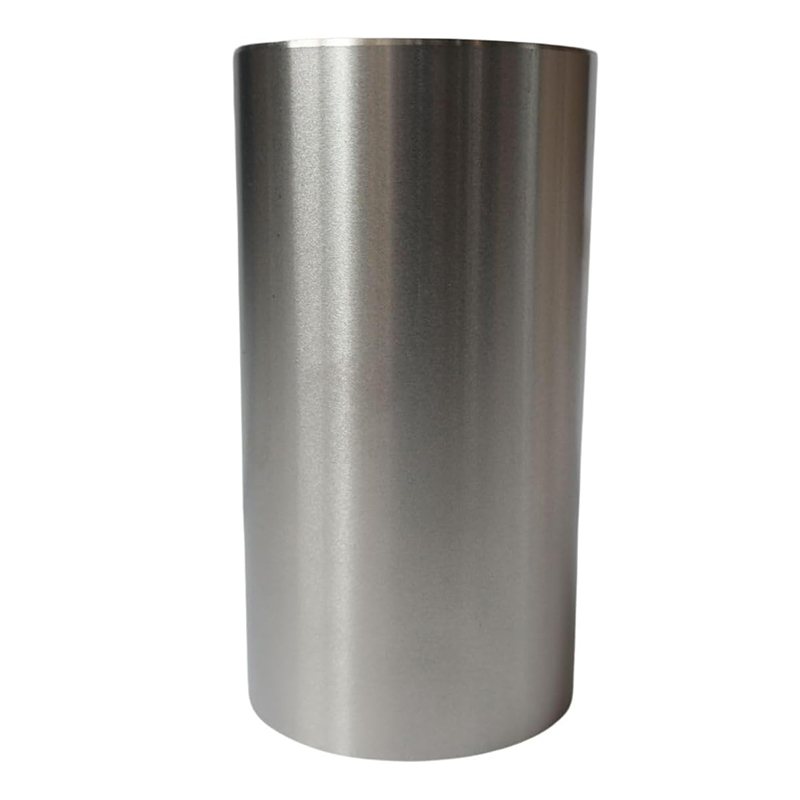
The ESN is the only identifier that reaches the CPL. Everything else 鈥?model badge, machine brand, year 鈥?narrows the search but never confirms the part. How to read a Cummins ESN covers the format in detail.
The Critical Parts List is a four-digit code that defines exactly which parts were fitted to that engine when it was built. It is printed on the data plate next to the ESN, and it is what Cummins uses to resolve supersessions.
Two engines of the same model and rating can carry different CPLs. When you quote a CPL, the catalogue returns one answer instead of three plausible ones. When you quote only the model, it returns what the family usually had 鈥?which is not always what is in the machine.
| Family | Displacement | Where it turns up |
| B series (4BT, 6BT, 6BTA) | 3.9 L / 5.9 L | Light trucks, gensets, plant, marine |
| C series (6CT, 6CTA) | 8.3 L | Heavy plant, gensets, marine |
| L series (6LT, 6LTA) | 8.9 L | Heavy trucks, gensets |
| ISB / ISC / ISL | Same blocks, electronic control | Later trucks and plant |
| ISX / X15 | 15 L | Heavy haulage |
| K series (K19, K38, K50) | 19 L – 50 L | Mining, marine, large gensets |
Parts do not cross families. A 6BT piston will not fit a 6CT, and a K38 liner will not fit anything smaller. The family name in the model badge is the one piece of information that is usually reliable.
Steps four and five are where most orders are saved. A part can be the correct supersession and still be the wrong variant if the CPL was misread.
| Trap | What goes wrong | Check |
| Same part number across families | Assumed interchangeable | Confirm displacement and bore |
| Piston bowls differ by CPL | Engine runs, smokes, loses economy | Compare old crown with new |
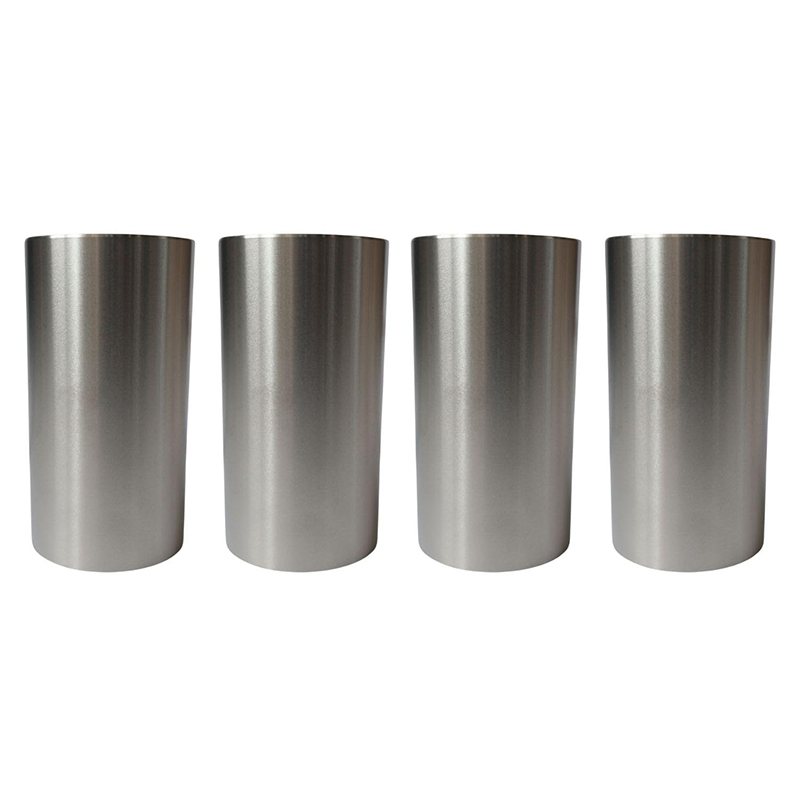
| Liner O-ring groove variants | Coolant leak weeks later | Measure groove position against old liner |
| Head casting revisions | Injector bore depth wrong, hard start | Casting number and old gasket pattern |
| Parent bore vs liner block | Liner ordered for a parent-bore engine | Look for a flange step and O-ring grooves |
Aftermarket Cummins parts are normal in this market and quality varies by supplier rather than by category. Three things separate a usable aftermarket part from a liability: the supplier can state which Cummins number it replaces, the casting carries the same revision as the original, and the dimensions match the old part rather than “the model”.
Ask for those three in writing before the order. A supplier who cannot name the supersession is guessing.
For anyone maintaining more than a handful of Cummins engines, the single most useful document is not a catalogue — it is a one-page list of the ESN and CPL for every unit in service, with the part numbers already resolved for the consumables that fail most often.
That list does two things. It removes the identification step from every urgent order, and it exposes duplication: fleets routinely discover that two machines they treat as different carry the same CPL, which means one stock line covers both and the money tied up in duplicated spares can be freed.
Update it when a unit is rebuilt, because a rebuild often changes the piston or liner specification. An out-of-date list is worse than none, since it produces confident wrong answers at the worst moment.
On the engine data plate, next to the serial number. It is also printed on some fuel pump labels.
It narrows the search but does not confirm the part. Two machines of the same model can carry different CPLs.
Often equivalent, but the OEM number may cover a variant the Cummins catalogue does not list. Quote both.
Measure the component and photograph it with a ruler. The casting number plus dimensions usually identifies the group and variant.
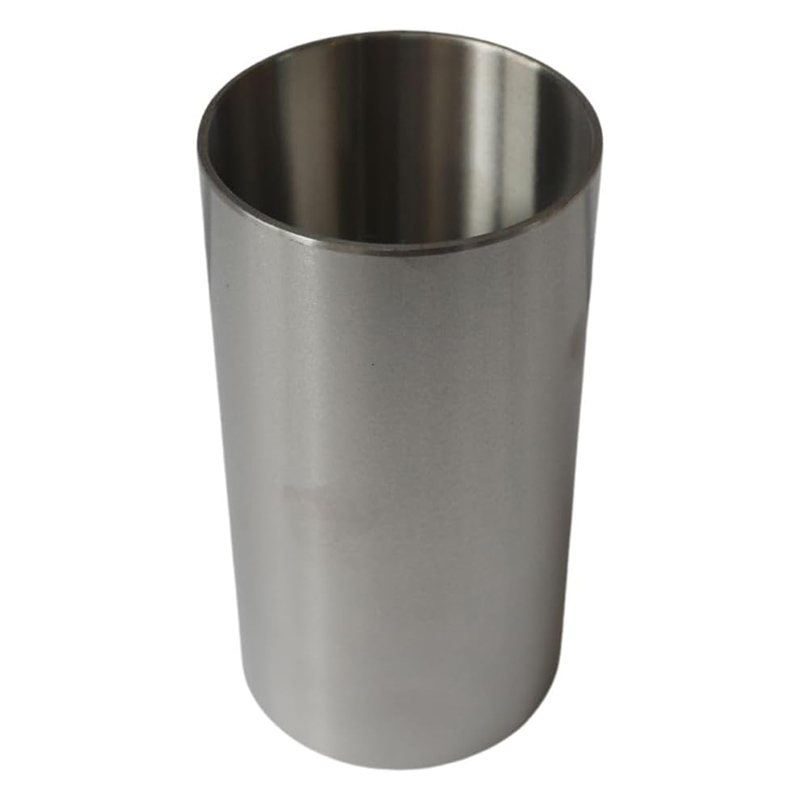
Our Cummins range covers the components that wear first across the B, C, L and K families. For specific applications, see the 6CT cylinder head C3973493, the 6LT 8.9 cylinder block 5293409, the ISB cylinder block C5293536, the 6CT cylinder liner C5318476 and the 6BT cylinder liner 3904166.
If you can send the ESN and CPL, the variant is usually resolved before shipment. Without them, send photographs of the old part with a ruler and we will work from the dimensions.

