

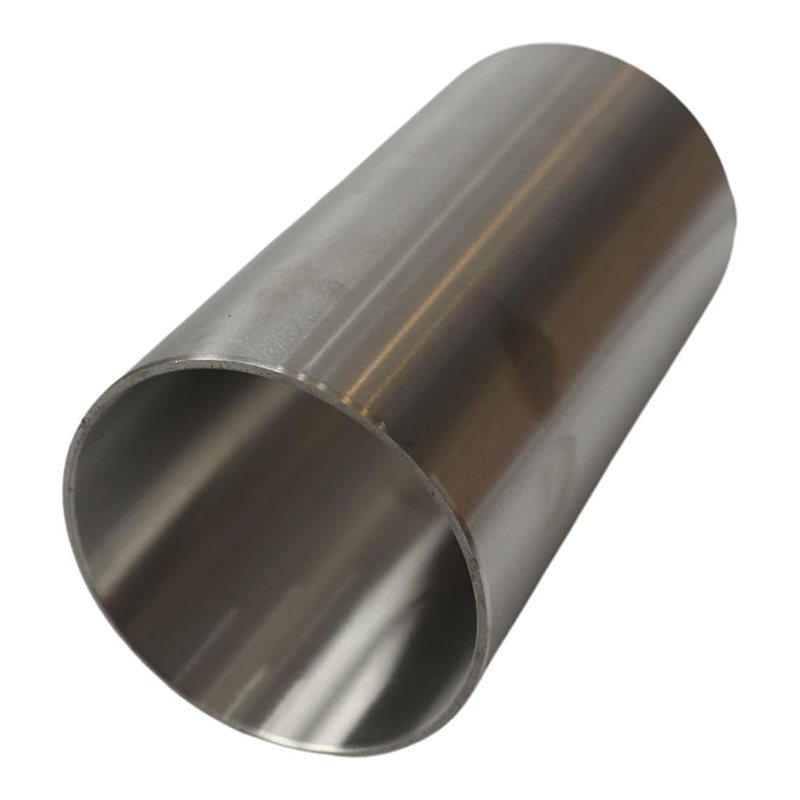

Model: 6BT
Part Number: 3904166
Brands: Cummins
Engine Model: 6BT, 6BTA, 6BTA5.9, B5.9 series
Engine Type: Diesel
Scope of application: trucks, buses, agricultural machinery, construction equipment, generator sets, marine engines
The Cummins B series is built in several configurations, and not every 6BT block uses a replaceable liner. Some are parent bore engines where the piston runs directly in the block, and others have been machined during an earlier rebuild to accept a liner. Part 3904166 is a liner for 6BT and 6BTA applications, and the first step is always to confirm which type of block you have in front of you.
Measure the bore at three heights and look for a liner flange step at the top of the bore. If there is no step and the bore is machined into the parent metal, you have a parent bore block and need a different approach. Sending us photographs of the deck and the bore before ordering avoids the most expensive mistake in this job.
The liner is the surface the piston rings run against. It contains combustion pressure, conducts heat into the coolant and provides the upper sealing surface for the head gasket. Once the honed cross hatch has polished away, rings cannot retain oil and the bore begins to scuff, which is when oil consumption and blow-by begin.
Liners are cast, machined and honed to a plateau finish. The surface is not simply smooth; it is a controlled pattern of peaks and valleys that holds oil while the rings bed in. The checks before packing cover the dimensions that decide sealing and oil control.
Protrusion is the small height the liner stands above the deck. It lets the fire ring crush onto the liner top and seal combustion pressure. If protrusion is too low, gas escapes into the coolant; if it is uneven across cylinders, the gasket is clamped unevenly. Neither can be fixed by over-torquing the head bolts.
Oil consumption is usually the first complaint, followed by smoke at start-up and increasing crankcase pressure. A bore with a ridge at the top of ring travel must be replaced rather than honed, because no amount of honing restores a worn step.
Preparation decides whether the new liner seals. The bore and the seat have to be clean to bare metal, and the O-rings must be lubricated with assembly grease rather than oil if the specification says so.
Use the correct puller rather than driving the liner out with a hammer, which distorts the block bore and ruins the seat for the new part. Scrape the seat and O-ring grooves to bright metal afterwards and inspect for pitting where the O-rings sit, because a pitted seat leaks coolant even with new seals.
Liners vibrate against the coolant and can suffer cavitation pitting when the coolant chemistry is neglected. Correct mixture, the right inhibitors and no air in the system are the only defence. On engines that sit idle for long periods, check the coolant condition before returning them to service.
Order the liner, piston and ring as a matched set where possible. A liner honed for one ring type may not suit another brand, and mixing parts is the most common cause of oil consumption after a rebuild that otherwise measured correctly.
New rings need cylinder pressure to seat against a new liner. Run at varying load, increasing gradually, and change oil early. Holding full load immediately glazes the bore and leaves the rings unseated, and the engine then uses oil for the rest of its life.
Liners are heavy for their size and chip easily at the flange. They ship in individual sleeves inside a reinforced carton, and they consolidate well with pistons or a gasket set. Tell us what else is in the order so heavy items are placed where they cannot damage lighter parts.
Not every B series block does. Check for a flange step at the top of the bore before ordering.
Yes, the correct set for the bore is supplied.
No. They are supplied ready to fit.
Possible, but a full set keeps compression balanced.
Browse the Cummins cylinder liner category, and pair the liner with the Cummins 6BT cylinder liner 4919951 or the Cummins engine parts range.
Cummins Cylinder Liner (3904166). The liner forms the bore the piston runs in and, being a wet liner on these engines, is also directly exposed to coolant on its outer surface.
Compare the O-ring groove position with the old liner. The groove must align with the coolant passages or the seal will leak regardless of how carefully it is fitted.
The part number is the reliable identifier here. Where the old number is unreadable, measure the component and compare it with the drawing rather than guessing from the engine model.
Measure protrusion on every cylinder with a dial gauge and record the figures. Uneven protrusion produces a head gasket failure that looks like a gasket fault.
Ordering note. Lead time depends on whether the item is in stock or has to be produced; the position is confirmed before the order is accepted rather than after payment.
Related reading: Cylinder Liner Cavitation: Causes, Symptoms and Prevention
| We Are 30 Years Diesel Engine Parts Supplier | |
| Brand | EPID |
| Warranty | 12 Months |
| Condition | 100%New |
| More Models | Weichai: 6BT, 6BTA, 6BTA5.9, B5.9 series, and other Weichai series. |
| Shipping | By sea / air / express (DHL, FEDEX, TNT, UPS, EMS) |
| Packing | Standard exporting packing or as required |
| Payment Term | L/C, T/T, Western Union, Trade Assurance |
| Delivery Time | 3-7 days (depend on order) |
| Selling Point | 1. On-time Delivery 2. Genuine Quality Assurance 3. Professional Supplier |
Liners are cast, machined and honed to a plateau finish. The surface is not simply smooth; it is a controlled pattern of peaks and valleys that holds oil while the rings bed in. The checks before packing cover the dimensions that decide sealing and oil control.
Protrusion is the small height the liner stands above the deck. It lets the fire ring crush onto the liner top and seal combustion pressure. If protrusion is too low, gas escapes into the coolant; if it is uneven across cylinders, the gasket is clamped unevenly. Neither can be fixed by over-torquing the head bolts.
Oil consumption is usually the first complaint, followed by smoke at start-up and increasing crankcase pressure. A bore with a ridge at the top of ring travel must be replaced rather than honed, because no amount of honing restores a worn step.
Preparation decides whether the new liner seals. The bore and the seat have to be clean to bare metal, and the O-rings must be lubricated with assembly grease rather than oil if the specification says so.
Use the correct puller rather than driving the liner out with a hammer, which distorts the block bore and ruins the seat for the new part. Scrape the seat and O-ring grooves to bright metal afterwards and inspect for pitting where the O-rings sit, because a pitted seat leaks coolant even with new seals.
Liners vibrate against the coolant and can suffer cavitation pitting when the coolant chemistry is neglected. Correct mixture, the right inhibitors and no air in the system are the only defence. On engines that sit idle for long periods, check the coolant condition before returning them to service.
Order the liner, piston and ring as a matched set where possible. A liner honed for one ring type may not suit another brand, and mixing parts is the most common cause of oil consumption after a rebuild that otherwise measured correctly.
New rings need cylinder pressure to seat against a new liner. Run at varying load, increasing gradually, and change oil early. Holding full load immediately glazes the bore and leaves the rings unseated, and the engine then uses oil for the rest of its life.
Liners are heavy for their size and chip easily at the flange. They ship in individual sleeves inside a reinforced carton, and they consolidate well with pistons or a gasket set. Tell us what else is in the order so heavy items are placed where they cannot damage lighter parts.
Browse the Cummins cylinder liner category, and pair the liner with the Cummins 6BT cylinder liner 4919951 or the Cummins engine parts range.
Not every B series block does. Check for a flange step at the top of the bore before ordering.
Yes, the correct set for the bore is supplied.
No. They are supplied ready to fit.
Possible, but a full set keeps compression balanced.
EPID supplies diesel engine parts for Weichai, Baudouin, Yuchai, Caterpillar, Sinotruk, FAW Xichai and Cummins engines. Every order is checked against the original part number before packing, and our team can identify a part from a photo of the engine plate. Ask for a quotation with your model and quantity and we will reply within one working day.
