Half the parts ordered for a diesel engine are ordered from a number that cannot be read. The label has gone, the casting is pitted, the plate is painted over. What follows is the sequence that identifies a part from measurements and photographs instead of a catalogue lookup.
It works because engine families are geometrically constrained: bore spacing, journal sizes and flange patterns repeat across a family and change between families. Measure enough of them and only one family fits.
Three plates are worth ten minutes of searching before any measurement starts.
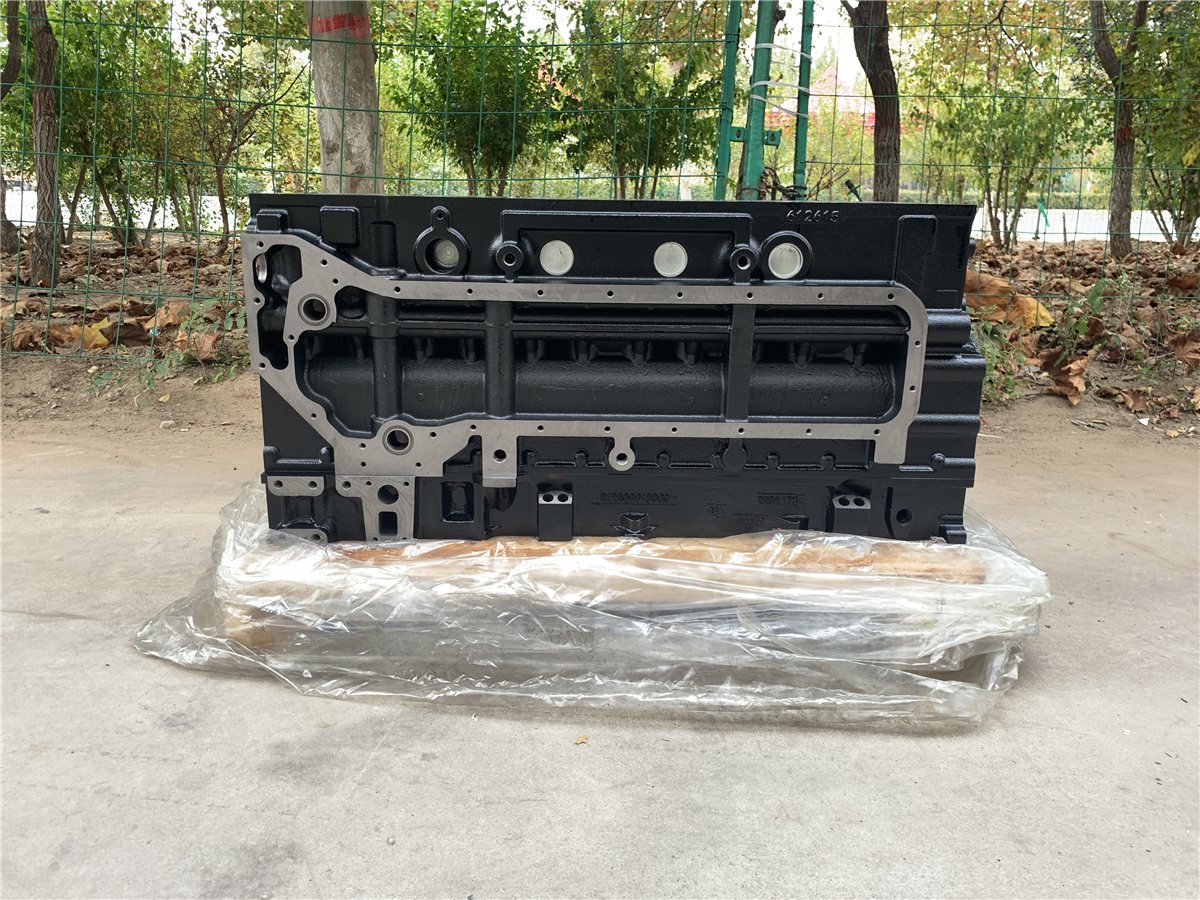
Photograph each one, even if partly legible. A partial number narrows the supersession chain faster than any measurement.
| Component | Measure | Why it separates variants |
| Cylinder head | Casting number, injector bore depth, port layout | Revisions change combustion and injector seating |
| Cylinder block | Bore spacing, deck height, mount pad positions | Family-level geometry |
| Liner | Outside diameter, flange thickness, total length | Seat and protrusion follow these three |
| Piston | Bore, compression height, bowl depth and shape | Rating is encoded in the bowl |
| Piston ring | Groove width, radial thickness, end gap | Ring sets differ by thickness |
| Crankshaft | Journal diameters, stroke, damper fixing, flange | Ends differ even when journals match |
| Camshaft | Journal diameters, lobe lift, gear teeth count | Drive gear decides timing |
| Connecting rod | Big end bore, small end bore, centre-to-centre length | Length changes compression height |
| Water pump | Pulley diameter, pulley offset, inlet angle | Controls belt alignment and hose routing |
| Oil pump | Drive gear type, pick-up position, relief setting | Wrong drive means no oil pressure |
Measure with the component off the engine and clean. A measurement taken in place, through rust and oil, is the most common source of a wrong order.
One photograph, taken properly, resolves more than three measurements: the component on a plain background, lit from the side, with a steel rule lying along the longest dimension and the number visible in frame.
Add a second photograph of the mounting face or the drive end. Those are the surfaces that differ between revisions and they are almost never photographed by buyers.
What to avoid: photographs on a cluttered bench, photographs without a scale, and photographs taken with a flash straight on 鈥?flash flattens the surface detail that shows casting marks.
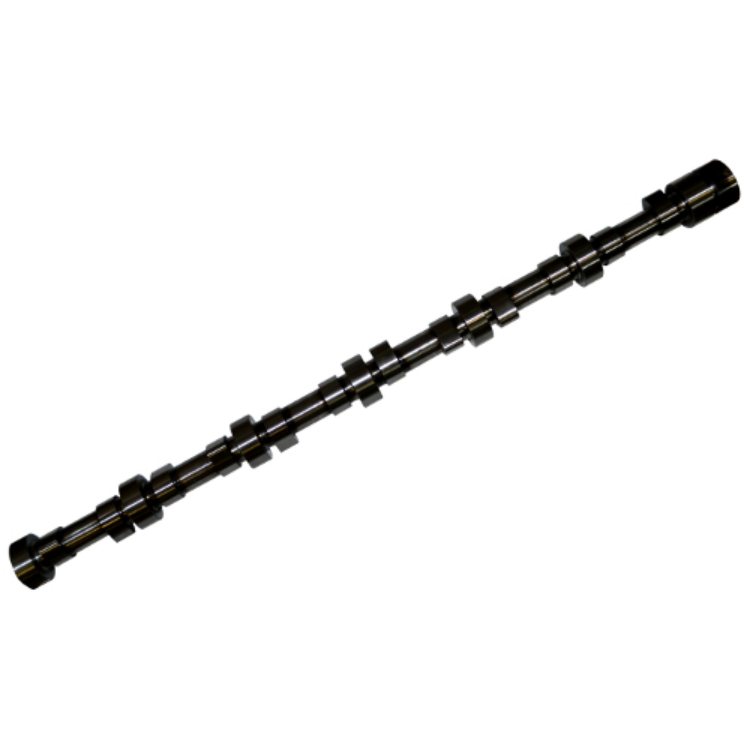
Bore spacing is the one dimension that is fixed across a family and different between families, which makes it the fastest way to place an unknown block or head.
Measure centre-to-centre between two adjacent bores with a caliper, or measure the head gasket fire ring spacing if a gasket is available. Compare the figure with the family table rather than with a single model 鈥?a match on spacing puts you in the right family, and the casting number then picks the revision.
Partial numbers are still useful. Three techniques recover enough to search:
A number with four legible digits out of eight is usually enough when combined with the component type and the engine family.
Once you have a candidate number, check it three ways before ordering:
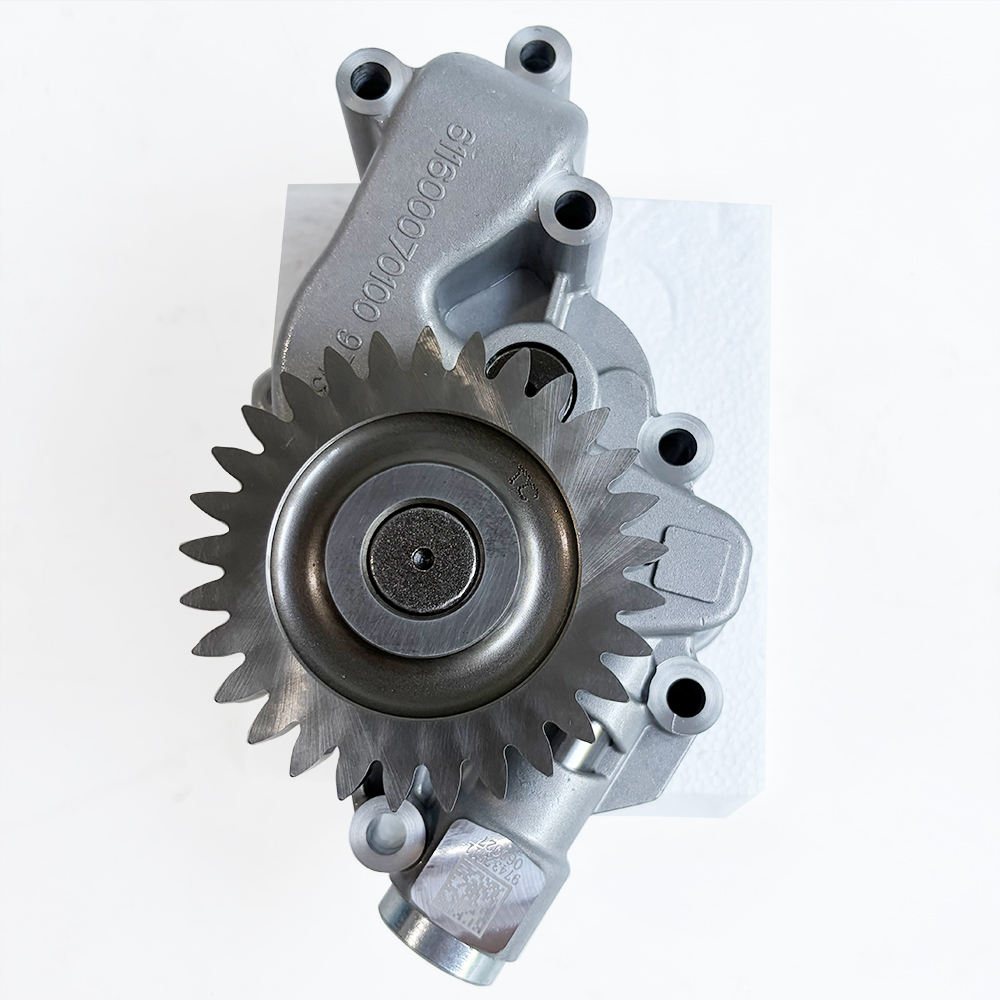
A supplier who can name the supersession is working from a catalogue. One who cannot is guessing, and a guessed part costs more than the delay of waiting for the right one.
Measurement has a point of diminishing return. If the component is over twenty years old, the casting number is gone and the engine plate is missing, further measuring rarely adds certainty — it adds time, and the rebuild sits idle.
At that point the fastest route is a supplier who holds the engine family in stock and can compare your photographs against parts on the shelf. Three photographs and four measurements give them enough to answer, and a supplier who cannot answer from that is not the right one for an obscure part.
The exception is anything that touches combustion. Pistons, rings and head gaskets should never be ordered on a best guess, even under time pressure, because a wrong combustion part produces an engine that runs and never runs right — and the fault is almost never traced back to the part.
Measure and photograph. Bore spacing, journal diameters and pulley dimensions identify the family and usually the variant.
No. A casting number identifies the raw casting revision; several part numbers can share one casting.
To 0.02 mm on journals and bores, to 1 mm on pulleys and flanges. Below that, two variants look identical.
For a pump or a cover, often yes. For pistons and liners, no 鈥?the bowl and the flange must be measured.
Our connecting rod section lists the fitment dimensions for each assembly, and the Weichai range and Cummins range are organised by component so variants can be compared side by side. For worked examples, see the WP13 cylinder block and the 6BT cylinder liner pages.
If you are stuck on an unknown part, send the measurements and two photographs. That is normally enough to identify it before anything ships.

