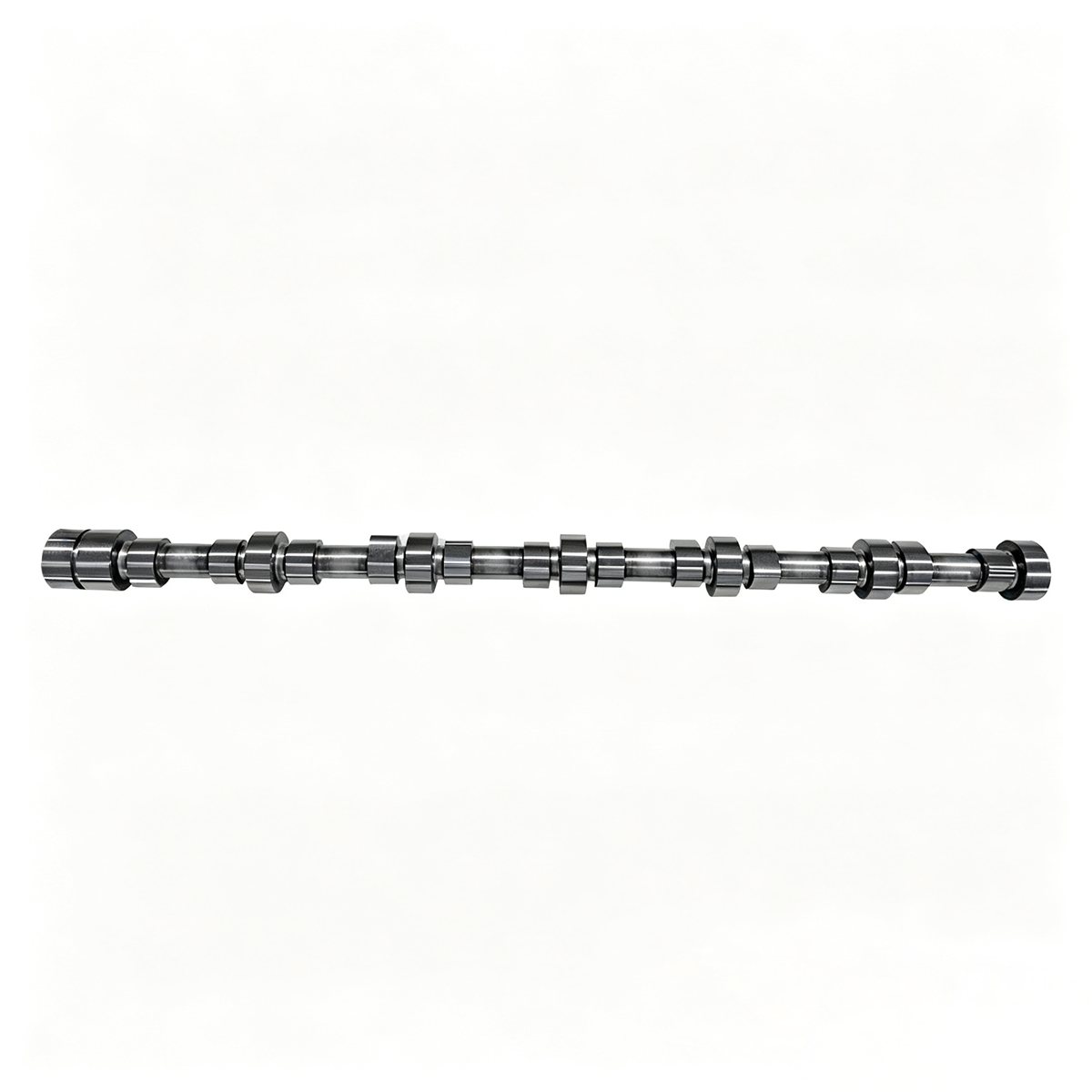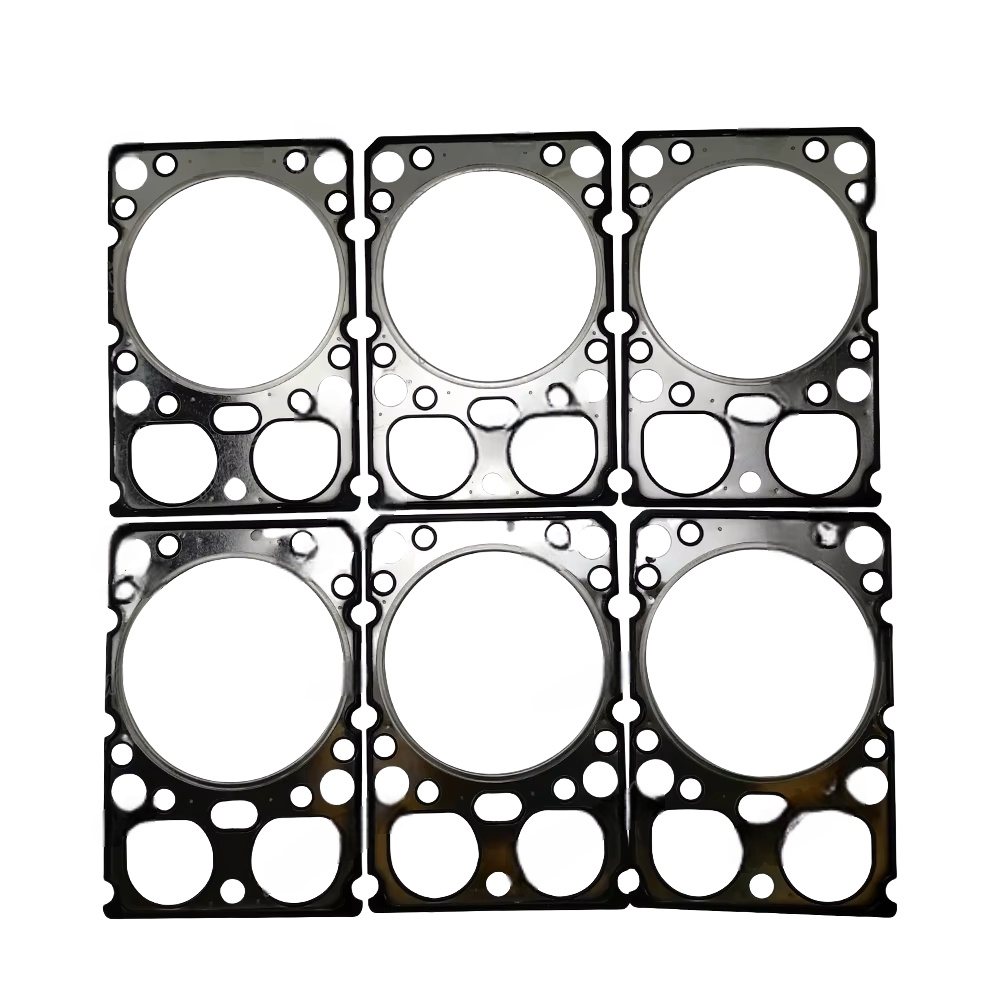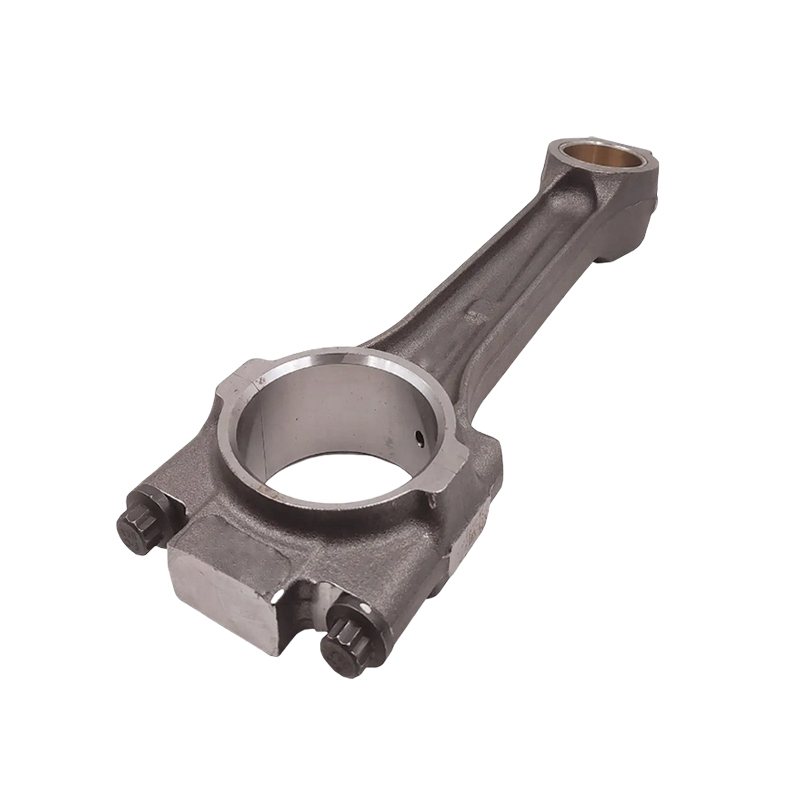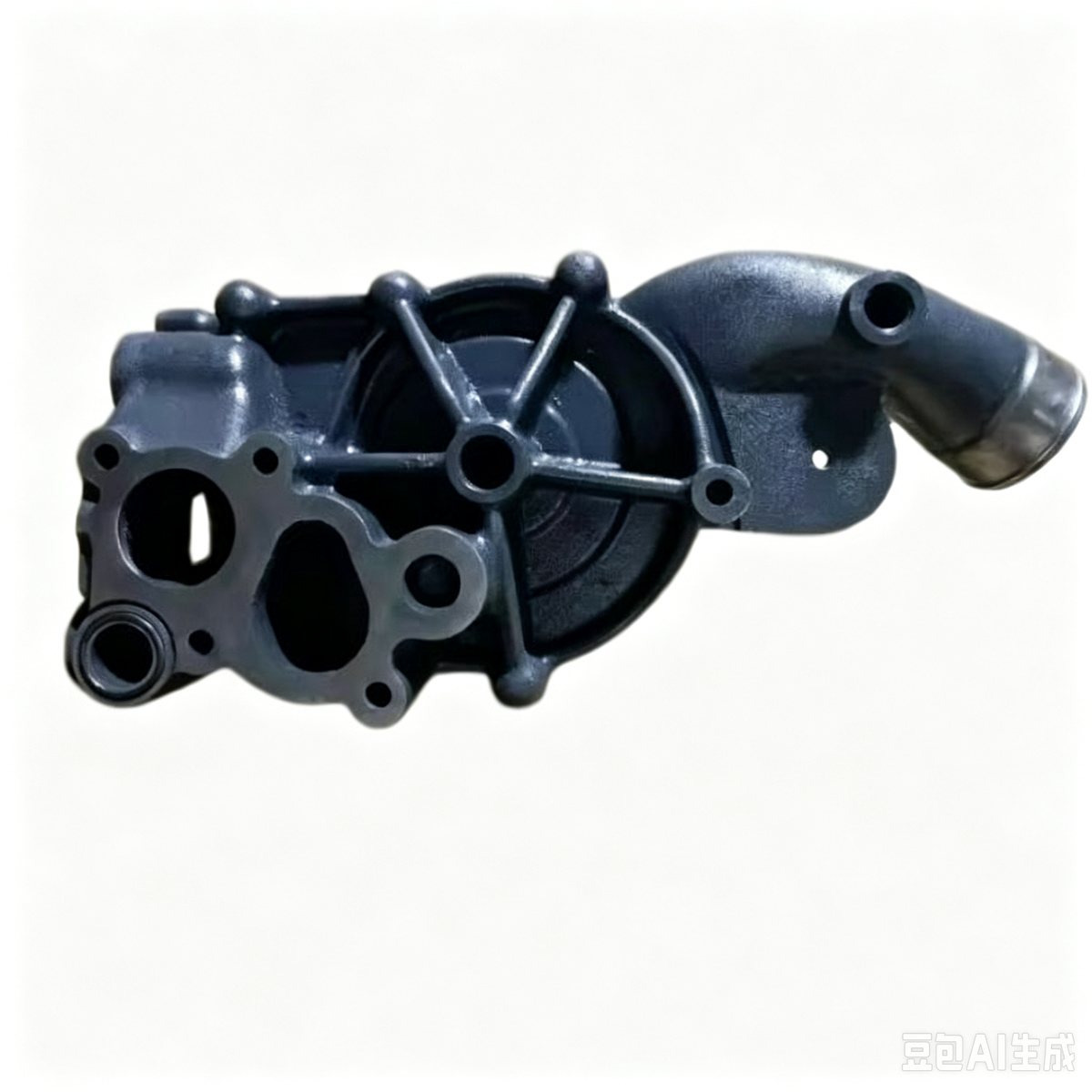
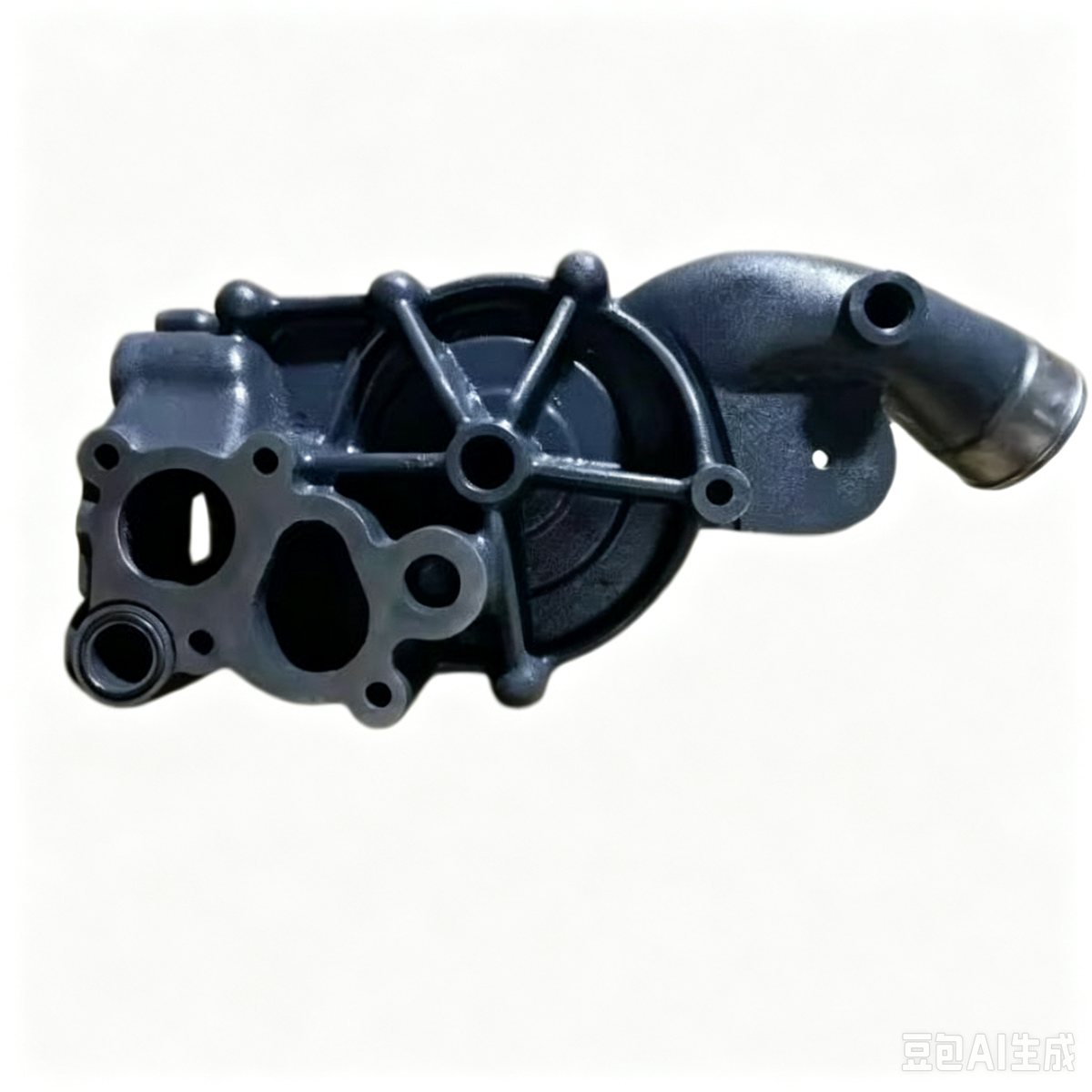
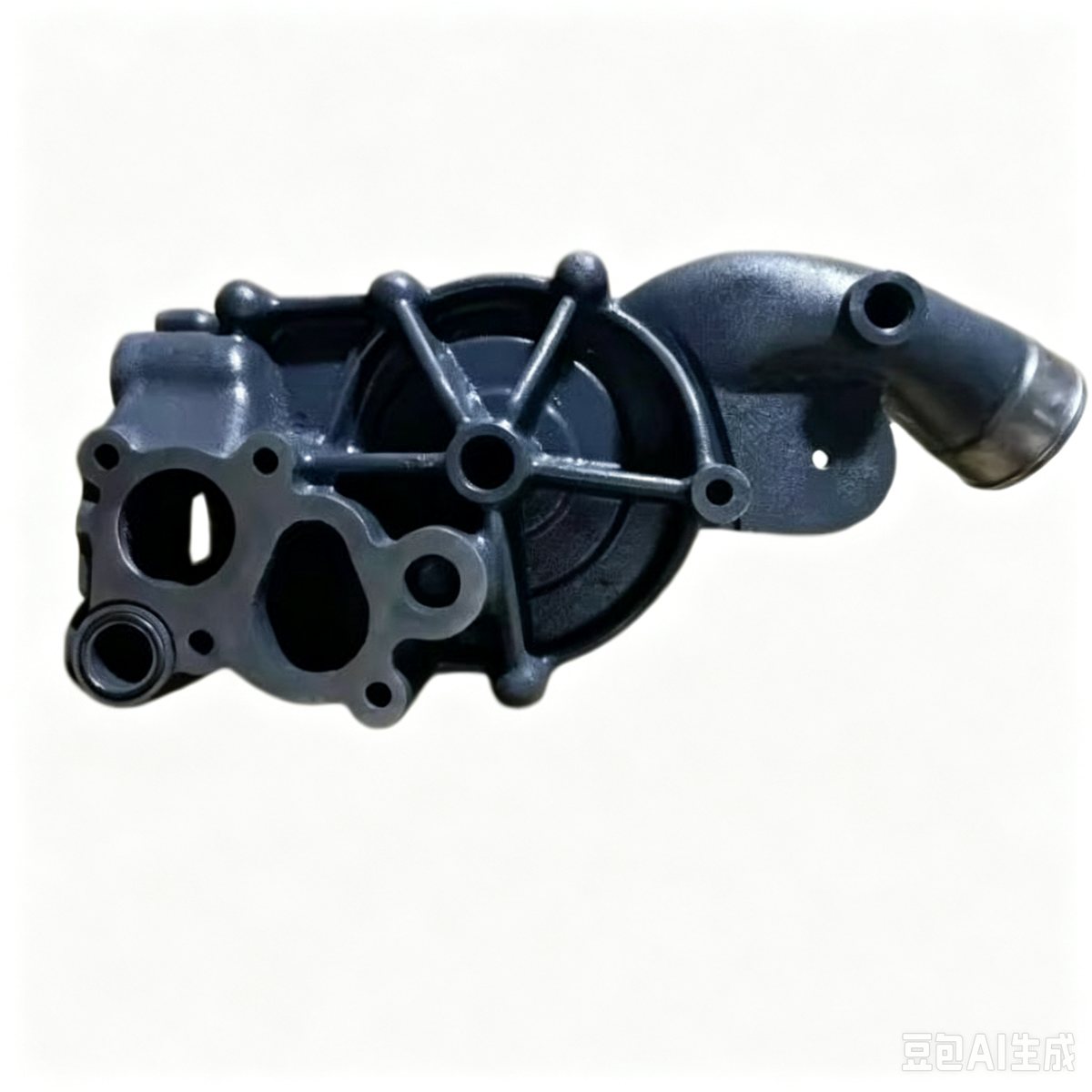
Model: WP12 / WD618
Part Number: 612630061060
Brands: Weichai Power
Engine Model: WP12, WD12, WD618, WP12.430, WP12.460
Engine Type: Diesel
Scope of application: heavy trucks, mining dump trucks, construction machinery, marine and generator engines
The WP12 and WD618 engines have used several coolant pump numbers across production, and part 612630061060 is one of them. The differences between them are usually in the pulley or the inlet arrangement rather than in the pumping element, but they are enough that the wrong pump will not align with the belt.
Confirm the engine plate and the old pump number before ordering, and send a photograph of the old pump next to a ruler if there is any doubt. Pulley diameter and offset are the features that cause most fitting problems, and neither appears in a parts catalogue description.
Most water pumps are replaced because of the seal rather than the bearing. The mechanical face seal runs dry against a ceramic or carbon seat, and any coolant contamination or long period of storage without use can make it weep. The weep hole under the housing is deliberately placed so that a failing seal drips where it can be seen rather than into the bearing.
That is why a small drip from the weep hole should be treated as an early warning rather than a nuisance. Once the bearing is contaminated it will rumble, and a rumbling bearing eventually lets the fan or pulley contact surrounding parts.
The pump uses a cast iron housing, a precision cast impeller, a sealed bearing cartridge lubricated for life and a mechanical face seal. Each unit is bench tested rather than only inspected, because flow and seal integrity cannot be judged by eye.
Coolant weep from the drain hole is the first sign, and it may persist for months before anything else appears. Noise comes later, when the bearing has lost lubricant, and a wobbling fan is the last warning before collapse.
Preparation matters as much as the part. Clean the block face properly, fit the new gasket dry, and bleed the system completely before the engine is run under load.
Trapped air in a cooling system creates local hot spots and can leave the pump running dry for the first seconds after start-up, which damages a new seal. Fill slowly at the highest point, open the heater circuit where fitted, and run with the cap off until the thermostat opens.
A system that needs repeated topping up after a pump replacement has either a leak or incomplete bleeding. Both should be resolved before the vehicle goes back into service, because a pump that runs with air in the circuit fails sooner than one that does not.
Most premature pump failures trace back to belt alignment rather than to the pump. A worn tensioner, a misaligned idler or the wrong pulley offset side-loads the bearing, and the seal starts weeping within a few thousand kilometres. Check the belt path with a straight edge before fitting the new pump.
Match the engine plate, the old pump number and the pulley type. Road, industrial and marine versions can differ even when the body casting looks identical. A correct pump with the wrong pulley destroys alignment on the first belt run, which is an expensive way to learn the difference.
Pumps last longest in clean systems with correct chemistry. Flush the radiator at interval, keep the coolant mixture in specification and replace the thermostat and pressure cap when due. Clean the core externally in dusty operations, because a blocked core raises coolant temperature and shortens seal life even when the pump is healthy.
Yes, the gasket and O-ring are supplied.
Only to reach a workshop. Coolant loss leads to overheating.
The pump comes with the hub. Tell us if you need the complete assembly.
Remove the belt and spin the pump by hand. Roughness or play confirms the bearing.
Browse the Weichai pump category, and pair the pump with the WP12 water pump 612630061057 or the WP12 cylinder head 612630040001.
Weichai WP12 Water Pump (612630061060). The coolant pump circulates flow through the block and head. Its impeller, seal and bearing are matched to the housing, and the pulley mounting sets belt alignment.
Check the fan drive and thermostat before condemning the pump. A restricted radiator produces the same temperature rise under load and costs less to check.
Numbers beginning 6126 belong to the generation shared with the WD618 and early WP12 engines. Parts in this block were revised several times, so the casting or housing is the reliable identifier rather than the number alone. On this engine, confirm the WP12 application against the engine plate before ordering.
Drain and refill with the correct coolant mix and bleed the system completely. Air in the system causes hot spots and accelerates cavitation damage on the liners.
Ordering note. Mixed pallets are accepted, so a single order can carry the block, the gasket set and the small seals together instead of arriving in three shipments.
Related reading: Cylinder Liner Cavitation: Causes, Symptoms and Prevention
| We Are 30 Years Diesel Engine Parts Supplier | |
| Brand | EPID |
| Warranty | 12 Months |
| Condition | 100%New |
| More Models | Weichai: WP12, WD12, WD618, WP12.430, WP12.460, and other Weichai series. |
| Shipping | By sea / air / express (DHL, FEDEX, TNT, UPS, EMS) |
| Packing | Standard exporting packing or as required |
| Payment Term | L/C, T/T, Western Union, Trade Assurance |
| Delivery Time | 3-7 days (depend on order) |
| Selling Point | 1. On-time Delivery 2. Genuine Quality Assurance 3. Professional Supplier |
The pump uses a cast iron housing, a precision cast impeller, a sealed bearing cartridge lubricated for life and a mechanical face seal. Each unit is bench tested rather than only inspected, because flow and seal integrity cannot be judged by eye.
Coolant weep from the drain hole is the first sign, and it may persist for months before anything else appears. Noise comes later, when the bearing has lost lubricant, and a wobbling fan is the last warning before collapse.
Preparation matters as much as the part. Clean the block face properly, fit the new gasket dry, and bleed the system completely before the engine is run under load.
Trapped air in a cooling system creates local hot spots and can leave the pump running dry for the first seconds after start-up, which damages a new seal. Fill slowly at the highest point, open the heater circuit where fitted, and run with the cap off until the thermostat opens.
A system that needs repeated topping up after a pump replacement has either a leak or incomplete bleeding. Both should be resolved before the vehicle goes back into service, because a pump that runs with air in the circuit fails sooner than one that does not.
Most premature pump failures trace back to belt alignment rather than to the pump. A worn tensioner, a misaligned idler or the wrong pulley offset side-loads the bearing, and the seal starts weeping within a few thousand kilometres. Check the belt path with a straight edge before fitting the new pump.
Match the engine plate, the old pump number and the pulley type. Road, industrial and marine versions can differ even when the body casting looks identical. A correct pump with the wrong pulley destroys alignment on the first belt run, which is an expensive way to learn the difference.
Pumps last longest in clean systems with correct chemistry. Flush the radiator at interval, keep the coolant mixture in specification and replace the thermostat and pressure cap when due. Clean the core externally in dusty operations, because a blocked core raises coolant temperature and shortens seal life even when the pump is healthy.
Browse the Weichai pump category, and pair the pump with the WP12 water pump 612630061057 or the WP12 cylinder head 612630040001.
Yes, the gasket and O-ring are supplied.
Only to reach a workshop. Coolant loss leads to overheating.
The pump comes with the hub. Tell us if you need the complete assembly.
Remove the belt and spin the pump by hand. Roughness or play confirms the bearing.
EPID supplies diesel engine parts for Weichai, Baudouin, Yuchai, Caterpillar, Sinotruk, FAW Xichai and Cummins engines. Every order is checked against the original part number before packing, and our team can identify a part from a photo of the engine plate. Ask for a quotation with your model and quantity and we will reply within one working day.