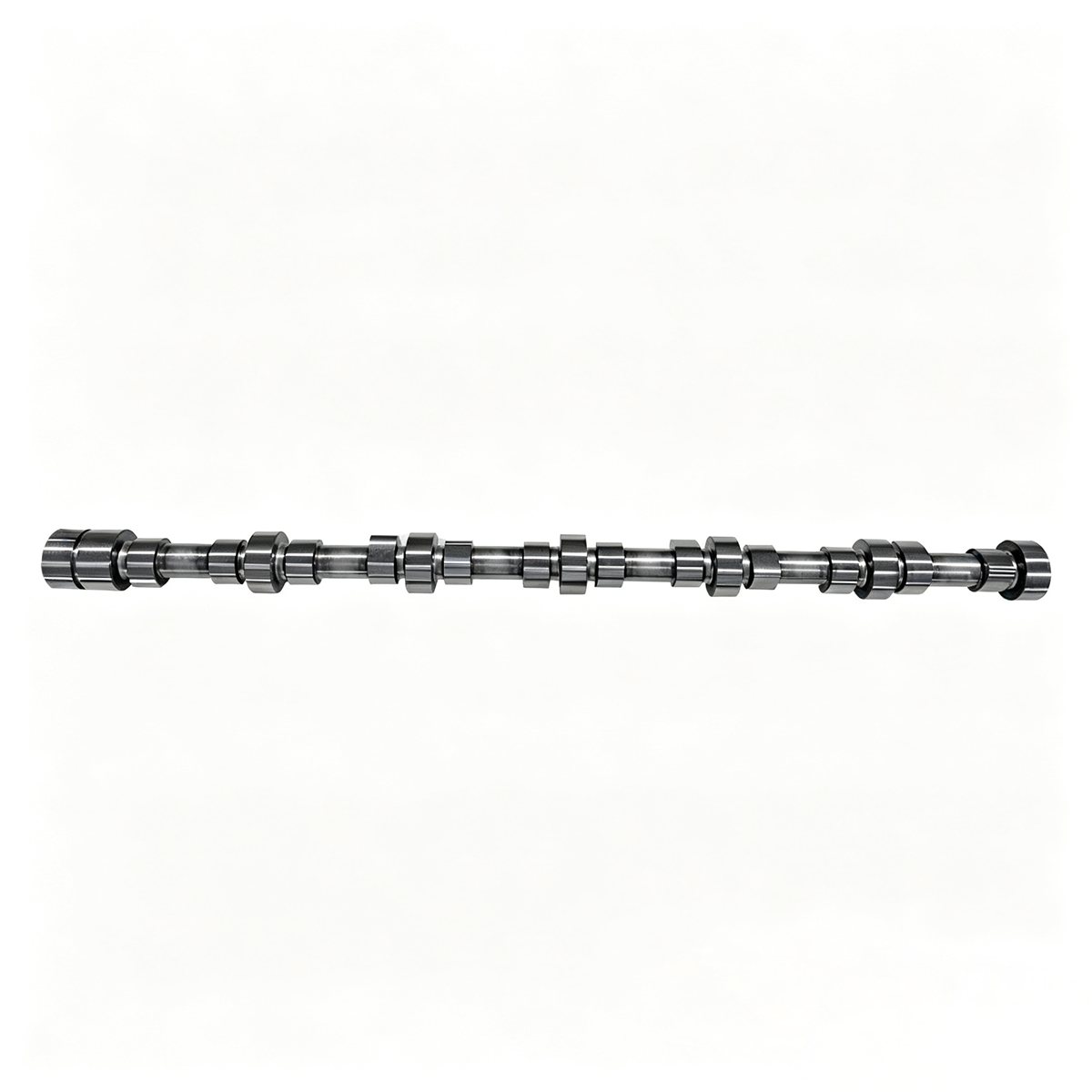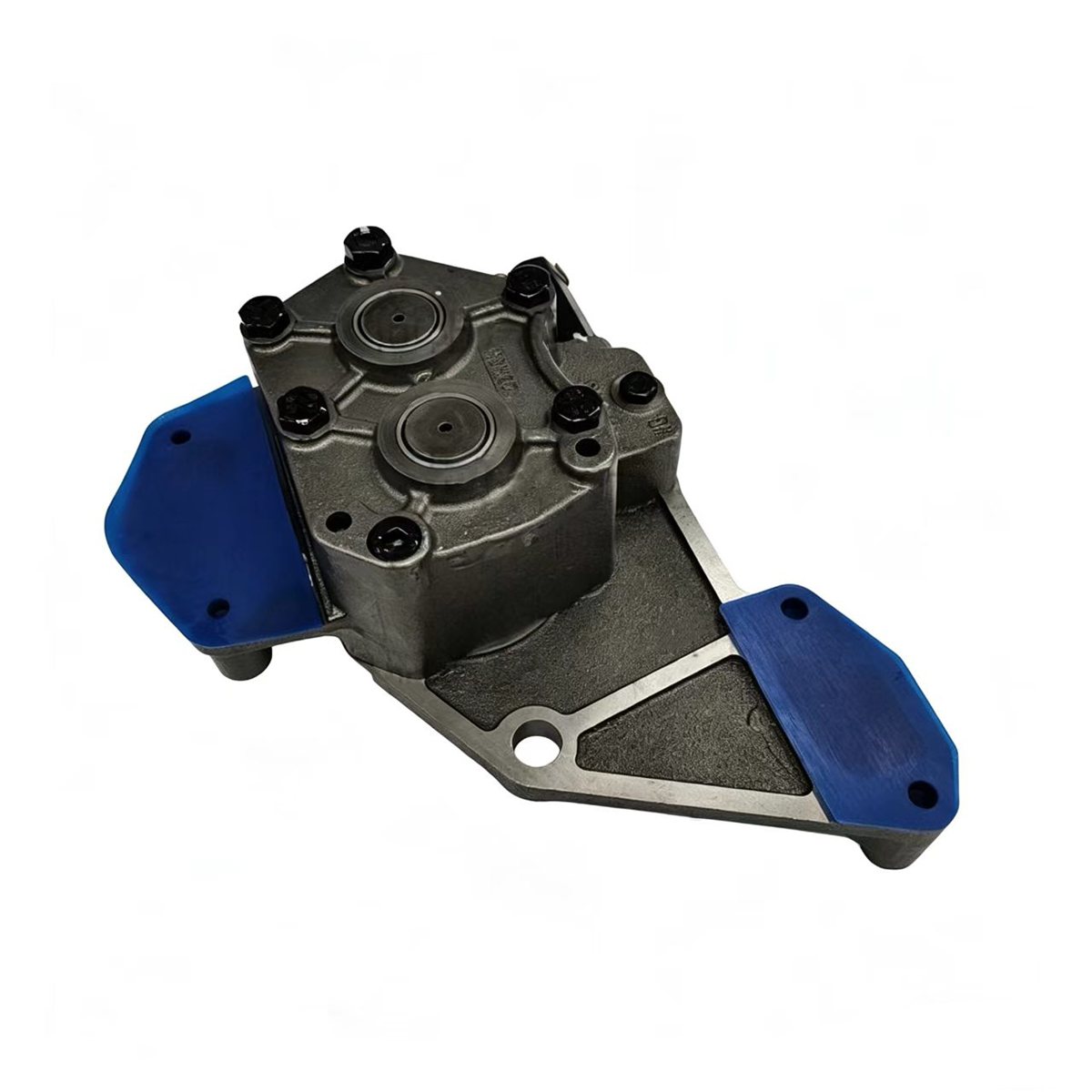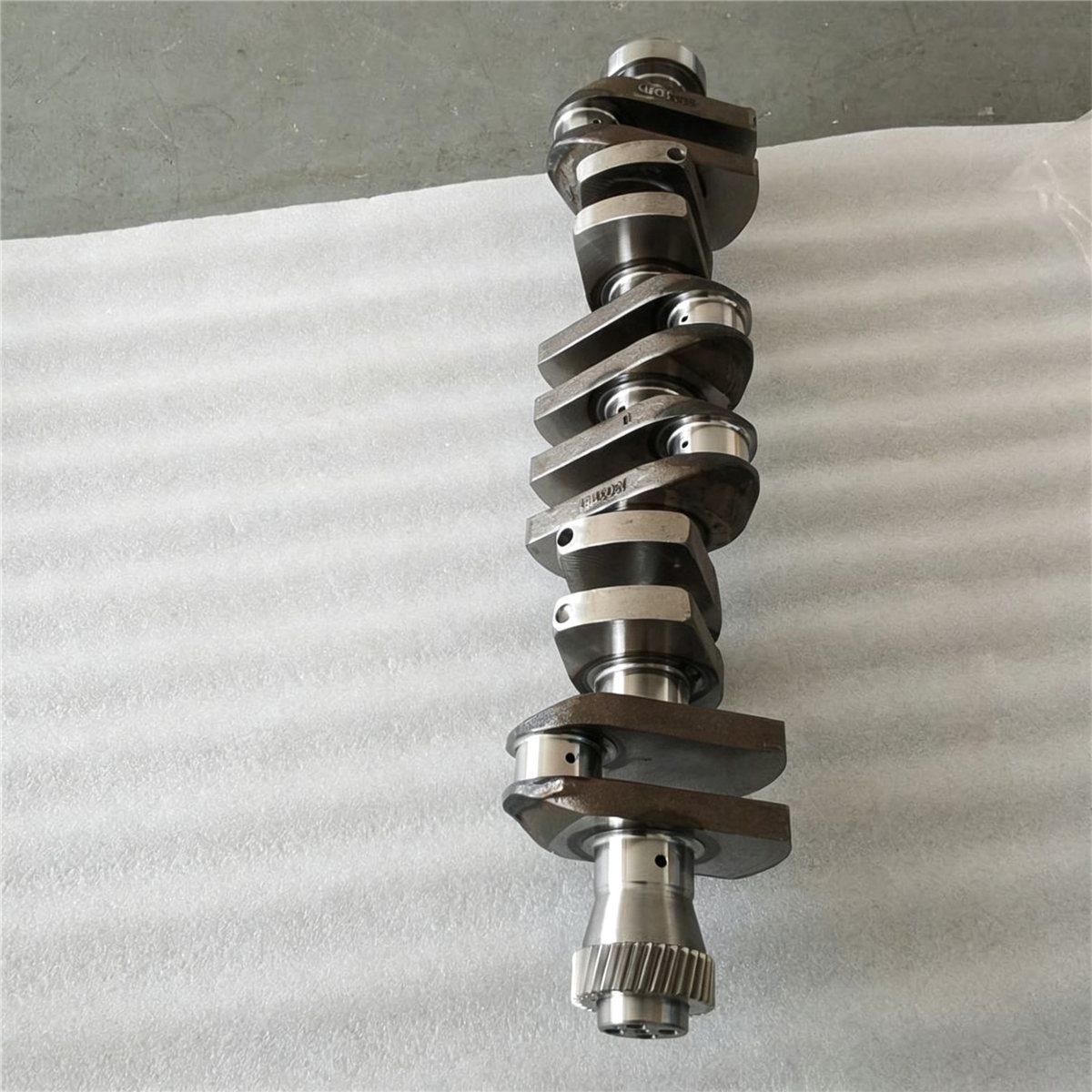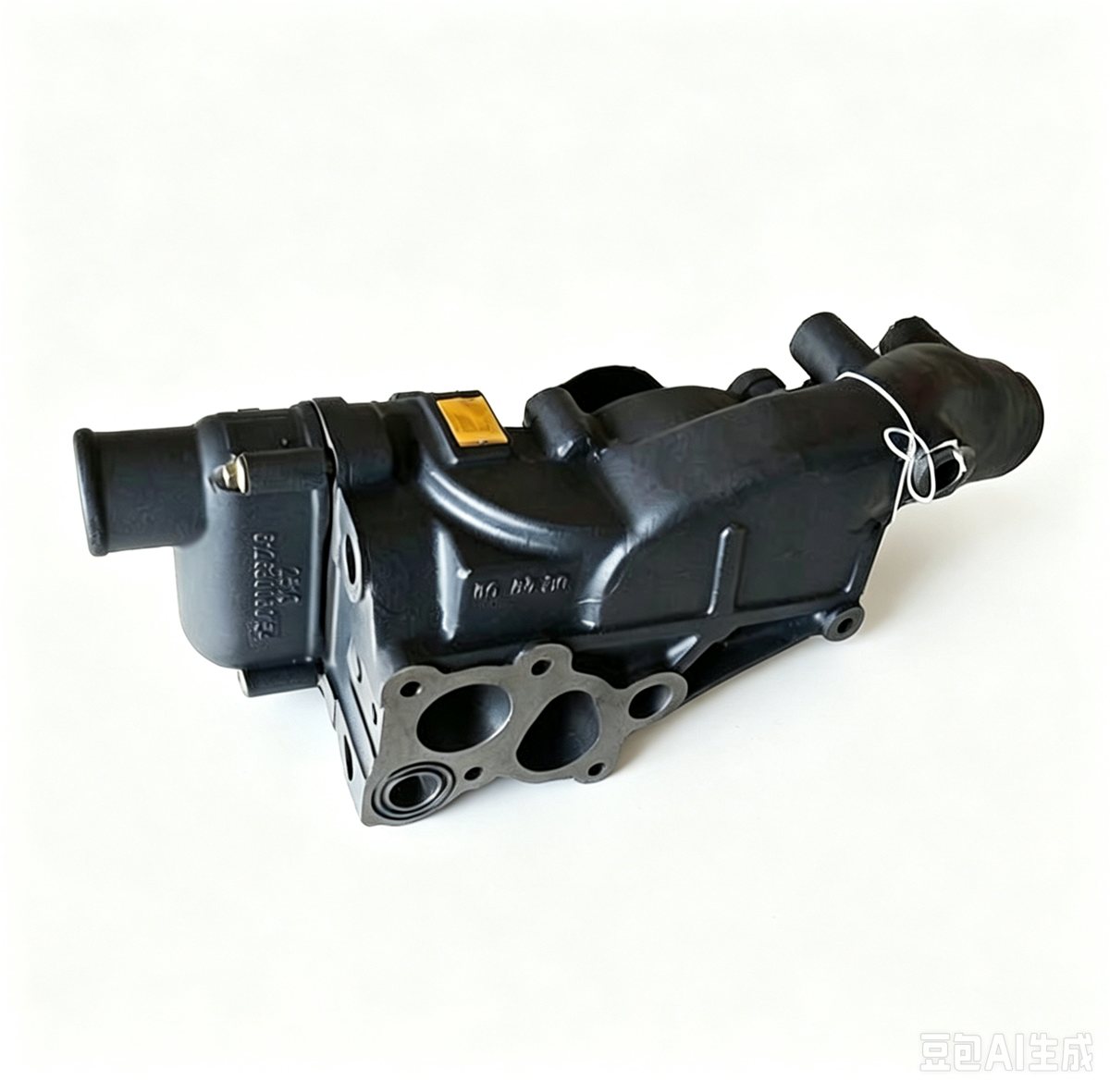
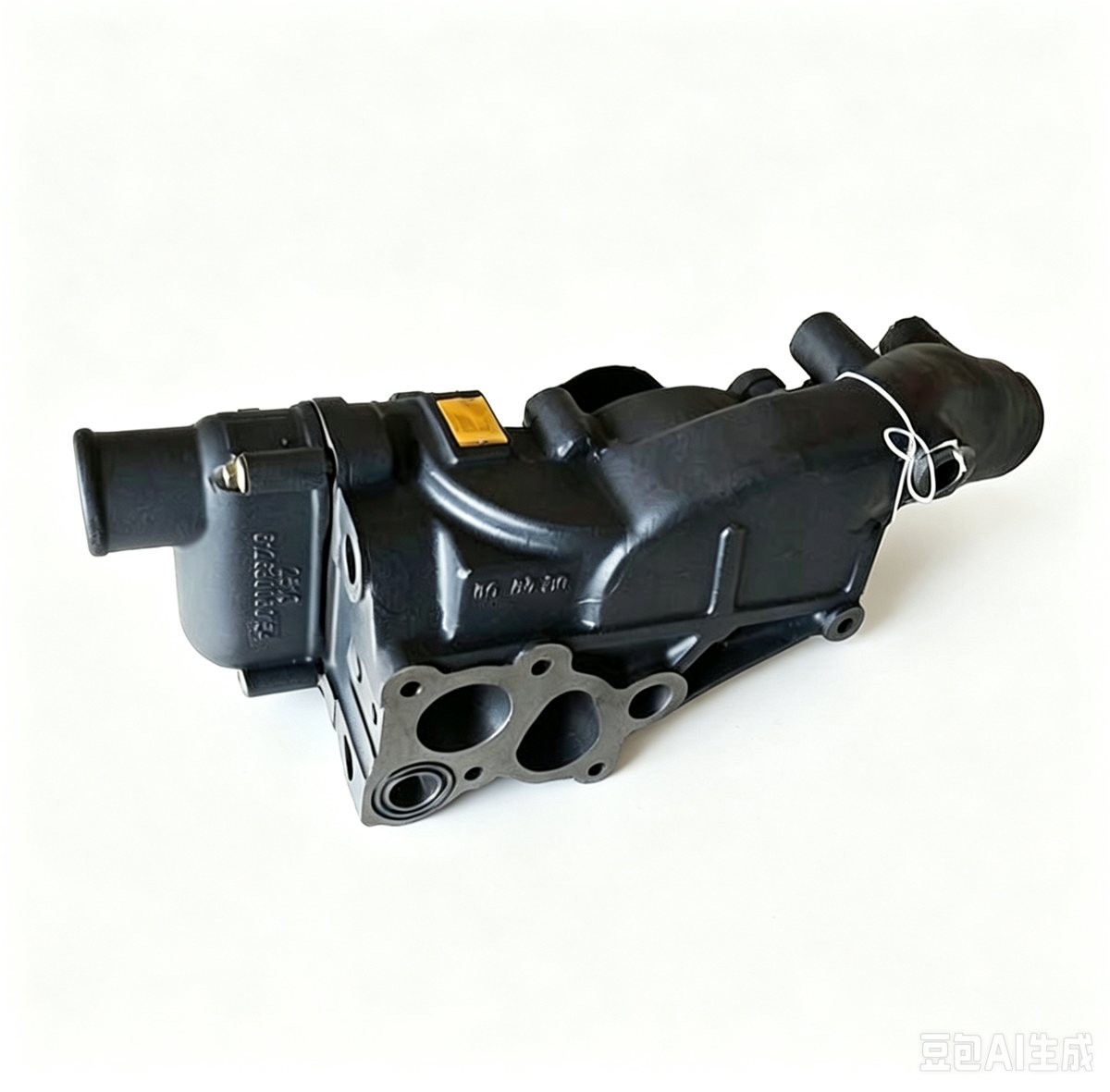
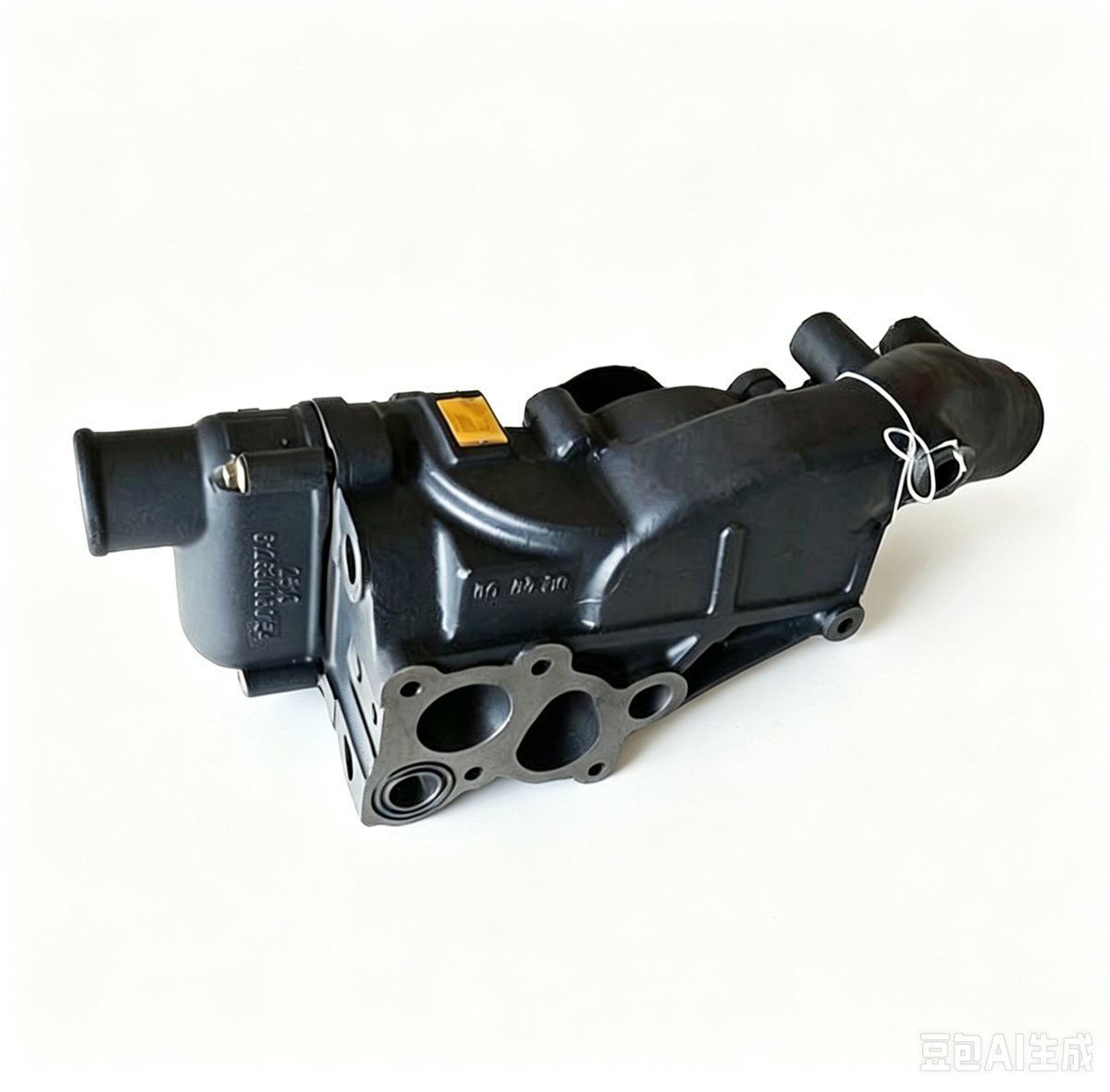
Model: WP12 / WD618
Part Number: 612630060991
Brands: Weichai Power
Engine Model: WP12, WD12, WD618, WP12.430, WP12.460
Engine Type: Diesel
Scope of application: heavy trucks, mining dump trucks, construction machinery, marine and generator engines
The WP12 and WD618 engines have carried several coolant pump numbers over their production life, and 612630060991 is one of them. As with the others in this family, the differences are concentrated in the pulley and inlet arrangement rather than in the pumping element, which means two pumps can look nearly identical and still not be interchangeable on the vehicle.
Confirm the engine plate and the old pump number before ordering, and compare the old pump with the new one physically if you can. Pulley diameter and the distance from the mounting face to the pulley centreline are the two measurements that identify the variant, and both can be taken with a ruler on the bench.
A 12-litre diesel rejects a large amount of heat at full load, and the coolant pump has to move enough volume to keep the head and liners within their operating range. The pump runs at engine speed, so its flow rises with rpm, and the thermostat and radiator balance the system around it.
When the pump loses efficiency, the engine does not overheat at idle. It overheats under load, exactly when the truck is climbing or the machine is digging, and that pattern is the clue that separates a weak pump from a blocked radiator core.
The pump uses a cast iron housing, a precision cast impeller and a sealed bearing cartridge lubricated for life. The mechanical face seal is the part that fails first, which is why it is tested above operating pressure rather than only inspected.
Coolant weep from the drain hole is the first sign, and it may persist for weeks before anything else appears. Noise comes later, when the bearing has lost lubricant, and a wobbling fan is the last warning before the bearing collapses.
Before replacing a pump for overheating, rule out the rest of the system. Check coolant level and condition, confirm the thermostat opens, clean the radiator core, test the fan drive and inspect the belt for slip. Each of those checks takes minutes and can save an unnecessary part.
A useful field test is to feel the radiator top and bottom hoses once the engine is warm. A large temperature difference points to restricted flow through the core rather than a weak pump, and cleaning the core solves the problem without any parts at all.
Fit the pump to a clean surface with a new gasket, torque evenly and bleed the system completely. Most repeat failures after a pump replacement come from incomplete bleeding rather than from the part itself.
Check the belt path with a straight edge across the pulleys before fitting the new pump, and replace any tensioner or idler that shows play. A side-loaded bearing fails quickly, and the failure looks like a pump quality problem when it is really an alignment problem that started before the pump was fitted.
Scale, incorrect inhibitor concentration and contamination all attack the seal faces. Use the specified coolant mixture and replace it at the recommended interval rather than topping up indefinitely. On engines working in dusty conditions, clean the radiator core regularly as well, because heat is the other thing that shortens seal life.
Match the engine plate, the old pump number and the pulley type. Road, industrial and marine versions can differ even when the body casting looks identical, and a correct pump with the wrong pulley destroys alignment on the first belt run.
Pumps are compact, do not deteriorate in storage and fit several ratings in the family. For a fleet, two on the shelf with gaskets and thermostat housing seals turn a week of downtime into an afternoon repair.
Yes, the gasket and O-ring are supplied.
Only to reach a workshop. Coolant loss leads to overheating.
The pump comes with the hub.
Remove the belt and spin the pump by hand.
Browse the Weichai pump category, and pair the pump with the WP12 water pump 612630061060 or the WP12 water pump 612630060554.
Weichai WP12 Water Pump (612630060991). Cooling depends on this pump moving volume, not pressure. The seal and bearing are the parts that fail, and both are affected by belt tension.
Confirm the inlet angle and hose spigot position against the old pump. Two pumps can share a housing and differ in the direction the hose leaves.
Numbers beginning 6126 belong to the generation shared with the WD618 and early WP12 engines. Parts in this block were revised several times, so the casting or housing is the reliable identifier rather than the number alone. On this engine, confirm the WP12 application against the engine plate before ordering.
Drain and refill with the correct coolant mix and bleed the system completely. Air in the system causes hot spots and accelerates cavitation damage on the liners.
Ordering note. Every shipment leaves with a packing list matched to the invoice, which matters when a rebuild is waiting on one seal and the whole pallet has to be cleared through customs.
Related reading: Cylinder Liner Cavitation: Causes, Symptoms and Prevention
| We Are 30 Years Diesel Engine Parts Supplier | |
| Brand | EPID |
| Warranty | 12 Months |
| Condition | 100%New |
| More Models | Weichai: WP12, WD12, WD618, WP12.430, WP12.460, and other Weichai series. |
| Shipping | By sea / air / express (DHL, FEDEX, TNT, UPS, EMS) |
| Packing | Standard exporting packing or as required |
| Payment Term | L/C, T/T, Western Union, Trade Assurance |
| Delivery Time | 3-7 days (depend on order) |
| Selling Point | 1. On-time Delivery 2. Genuine Quality Assurance 3. Professional Supplier |
The pump uses a cast iron housing, a precision cast impeller and a sealed bearing cartridge lubricated for life. The mechanical face seal is the part that fails first, which is why it is tested above operating pressure rather than only inspected.
Coolant weep from the drain hole is the first sign, and it may persist for weeks before anything else appears. Noise comes later, when the bearing has lost lubricant, and a wobbling fan is the last warning before the bearing collapses.
Before replacing a pump for overheating, rule out the rest of the system. Check coolant level and condition, confirm the thermostat opens, clean the radiator core, test the fan drive and inspect the belt for slip. Each of those checks takes minutes and can save an unnecessary part.
A useful field test is to feel the radiator top and bottom hoses once the engine is warm. A large temperature difference points to restricted flow through the core rather than a weak pump, and cleaning the core solves the problem without any parts at all.
Fit the pump to a clean surface with a new gasket, torque evenly and bleed the system completely. Most repeat failures after a pump replacement come from incomplete bleeding rather than from the part itself.
Check the belt path with a straight edge across the pulleys before fitting the new pump, and replace any tensioner or idler that shows play. A side-loaded bearing fails quickly, and the failure looks like a pump quality problem when it is really an alignment problem that started before the pump was fitted.
Scale, incorrect inhibitor concentration and contamination all attack the seal faces. Use the specified coolant mixture and replace it at the recommended interval rather than topping up indefinitely. On engines working in dusty conditions, clean the radiator core regularly as well, because heat is the other thing that shortens seal life.
Match the engine plate, the old pump number and the pulley type. Road, industrial and marine versions can differ even when the body casting looks identical, and a correct pump with the wrong pulley destroys alignment on the first belt run.
Pumps are compact, do not deteriorate in storage and fit several ratings in the family. For a fleet, two on the shelf with gaskets and thermostat housing seals turn a week of downtime into an afternoon repair.
Browse the Weichai pump category, and pair the pump with the WP12 water pump 612630061060 or the WP12 water pump 612630060554.
Yes, the gasket and O-ring are supplied.
Only to reach a workshop. Coolant loss leads to overheating.
The pump comes with the hub.
Remove the belt and spin the pump by hand.
EPID supplies diesel engine parts for Weichai, Baudouin, Yuchai, Caterpillar, Sinotruk, FAW Xichai and Cummins engines. Every order is checked against the original part number before packing, and our team can identify a part from a photo of the engine plate. Ask for a quotation with your model and quantity and we will reply within one working day.