A cylinder head is the most expensive single casting in the engine, and the decision to rebuild rather than replace it should be based on measurement, not on how the head looks. Cracks, worn guides and sunken seats are all invisible from the outside, and all three decide whether a rebuilt head will last.
This guide covers the checks that determine whether a head is rebuildable, how guides and seats are sized, and the assembly steps that separate a head that seals from one that burns oil.
Four conditions decide it, and all four are testable before any money is spent:
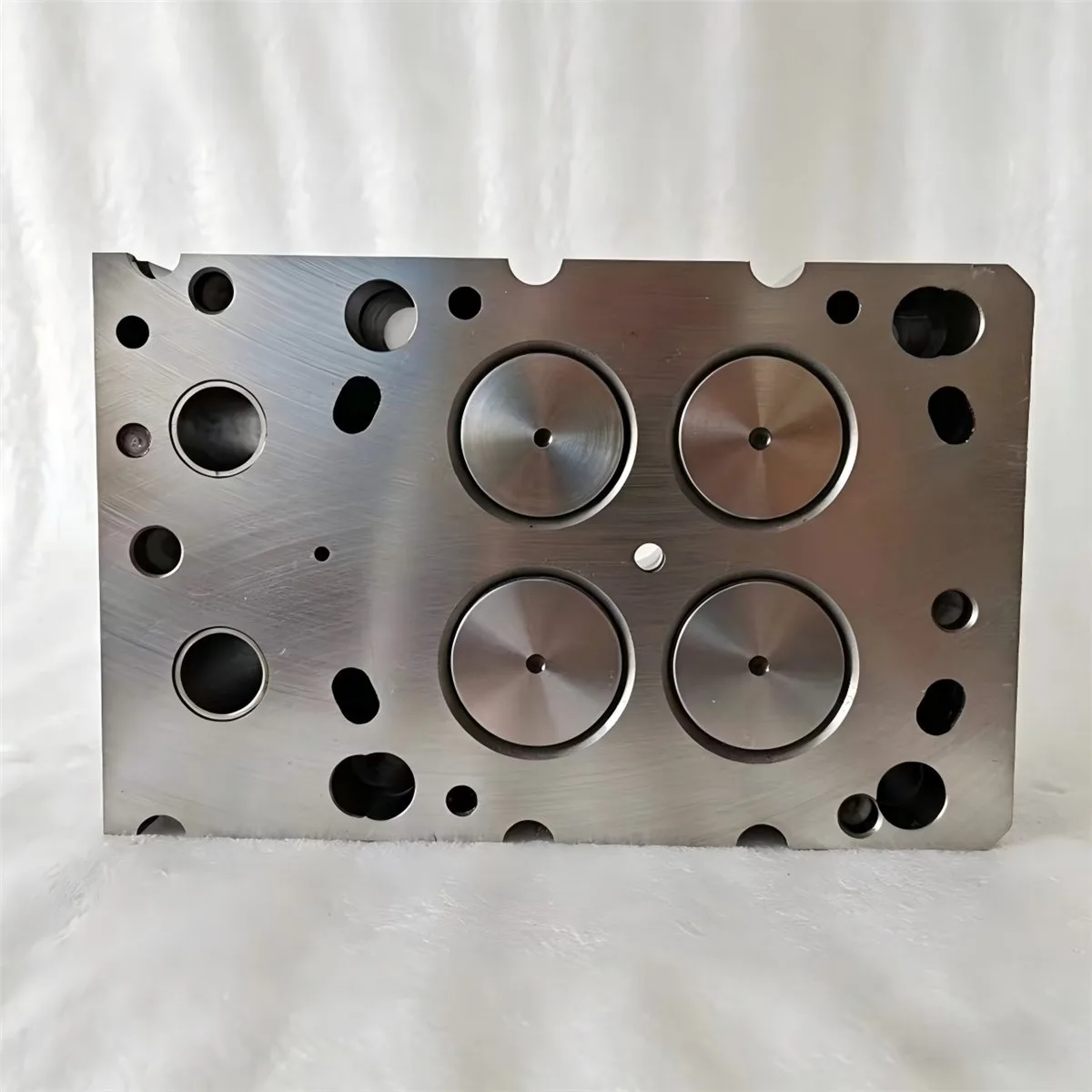
Pressure test the head with the coolant passages plugged and the head submerged or sprayed. Magnetic particle inspection finds cracks in the deck surface and around injector bores that a pressure test alone can miss.
A crack between the valve seats or into a port is normally the end of the casting. A crack at a bolt hole or an accessory boss can sometimes be repaired, but the decision should come from the machine shop, not from the seller of a used head.
The guide controls the valve stem, and a worn guide produces three symptoms that are usually blamed on something else: oil consumption at cold start, uneven compression, and a valve that does not seat concentrically and then burns.
Measure stem-to-guide clearance at the top and bottom of the guide, in two directions. Compare with the service limit — a guide can be within limits at the top and worn at the bottom, which is where the load acts.
Replacement guides are pressed in and then reamed or honed to size after fitting, because the bore closes slightly during installation. A guide fitted and used without reaming will seize the valve stem on the first heat cycle.
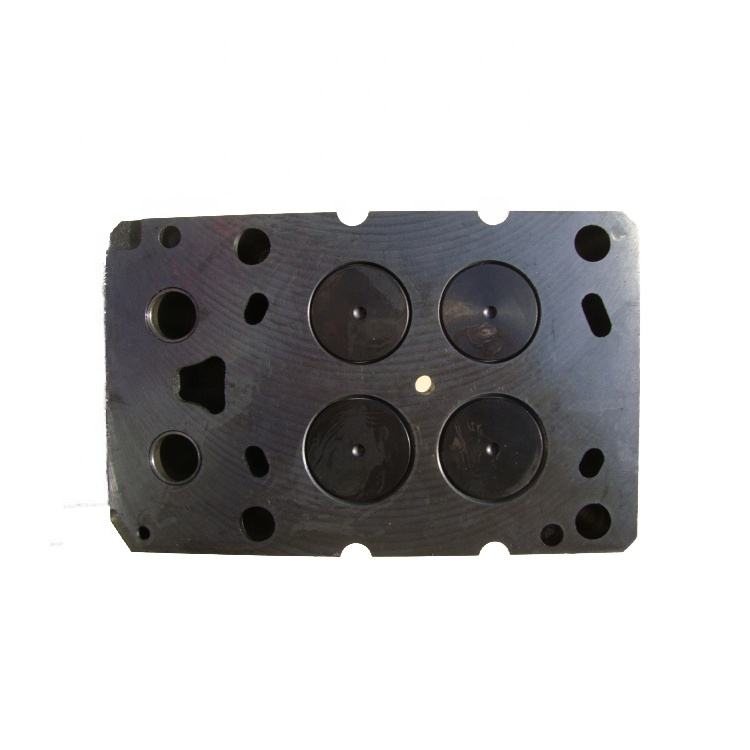
Seats are cut to a three-angle form on most diesel heads: a throat angle, the seat angle and a top angle. The purpose is to control where the valve contacts the seat and how wide that contact band is.
| Measurement | Effect if wrong | Check |
| Seat width | Too narrow burns, too wide leaks carbon | Blue the valve and check the contact band |
| Concentricity | Valve does not seal and guide wears | Dial gauge on the valve stem |
| Seat depth | Spring installed height changes | Measure stem height above the spring seat |
| Seat angle | Contact moves to the wrong part of the face | Check with the correct cutter |
Cutting seats changes the installed height of the spring, which changes spring pressure. After cutting, measure the installed height and fit shims or replace springs as required.
Check the valve face for pitting, the margin for thickness and the stem for straightness and wear. A valve with a thin margin runs hot and then cracks. A bent stem will never seal, whatever the seat looks like.
Do not lap a valve into a seat that needs cutting. Lapping removes material unevenly and produces a contact band that looks correct and fails in service. Cut the seat, then confirm contact with bluing.
Springs lose pressure with age. Measure free length and squareness, and check spring pressure at the installed height if equipment allows. A weak spring lets the valve float at high speed, and float produces the same misfire as a bad injector.
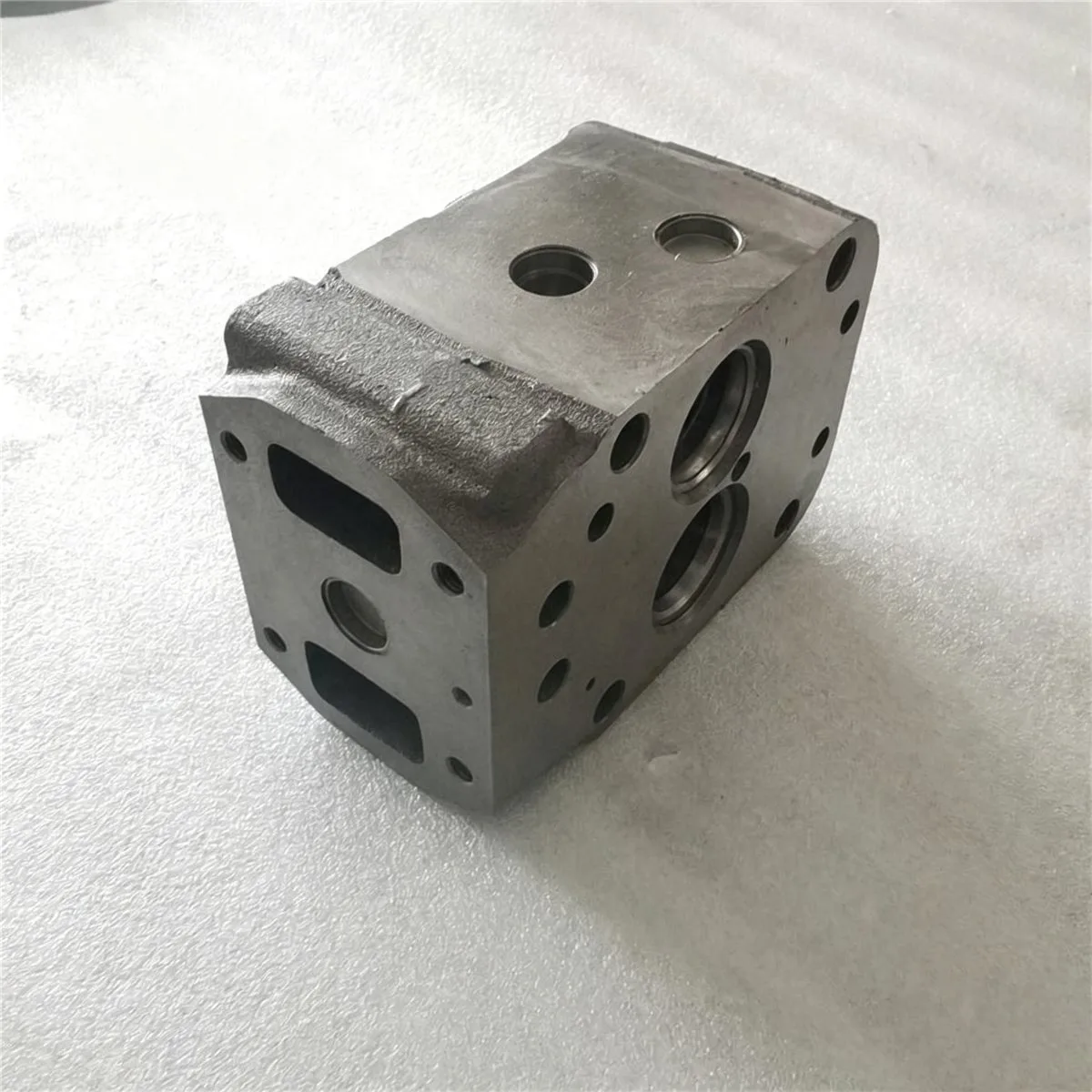
Replace retainers, collets and stem seals as a set. Stem seals harden and stop sealing long before the guides wear out; reusing old seals is the most common cause of blue smoke at cold start after a head rebuild.
Usually not. A crack into a port or between seats needs a new casting or a specialist repair.
Yes. The bore closes during installation and must be brought back to clearance.
No. Lapping only dresses a seat that is already correct. A worn seat has to be cut.
Most often old stem seals, a guide that was never reamed, or oil entering through a leaking intake gasket.
Our Weichai Power parts range is organised by component type. For the heads discussed here, see the WD615 cylinder head 61560040040, the WP12 cylinder head 612630040001, the WP13 cylinder head 612700040030 and the WP6 cylinder head 13028584 pages.
If you are deciding whether to rebuild or replace a head, send photographs of the deck, the casting number and the old head gasket. Those three images usually identify both the condition and the revision before anything is ordered.

