Cummins 6BT is the highest-volume engine model in the diesel parts market, and the cylinder liner question comes up more often than almost any other. The short answer is that it depends on the block: some 6BT and 6BTA engines are parent-bore designs where the piston runs directly in the block, and others carry replaceable liners or have been machined to accept them during an earlier rebuild.
Ordering a liner before confirming which type of block you have is the most expensive mistake in this job. This guide covers how to tell the difference, how to select between the common liner numbers, and what to measure so the new liner actually seals.
Before any part number is discussed, look at the top of the bore. A liner engine has a machined step or flange recess at the deck, and the liner top stands slightly proud of the block surface. A parent-bore engine has the bore machined directly into the block casting with no separate component and no step.
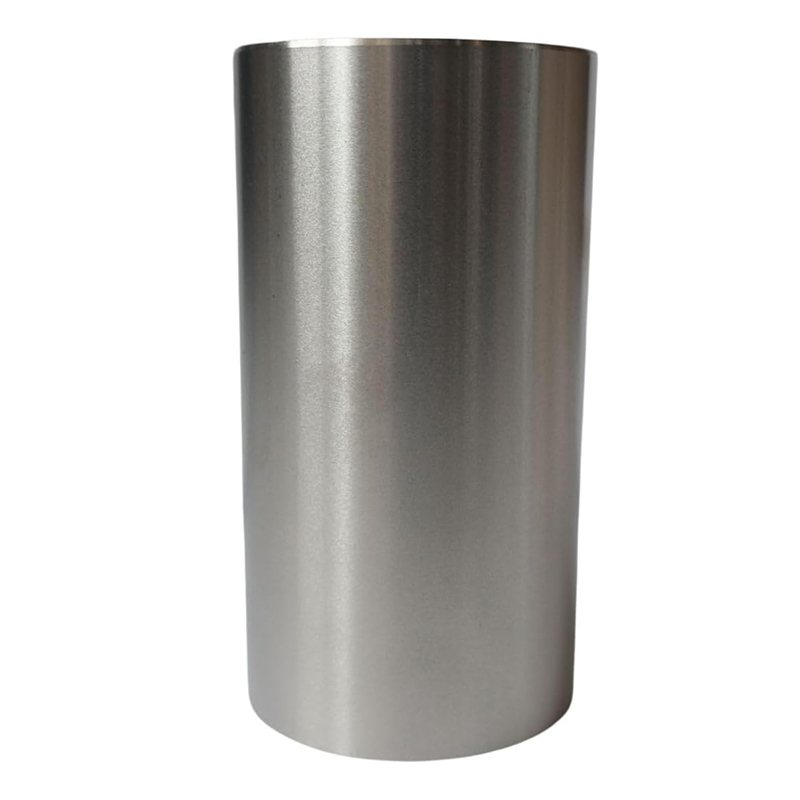
Two extra checks settle it quickly:
If there is no step and no groove, the block is parent bore and a liner is not the answer — the block needs boring and honing, or replacement.
Cummins lists more than one liner number for the 6BT family, and the two most frequently ordered are 3904166 and 4919951. They are close relatives but they are not always interchangeable in a given block, because bore preparation and the O-ring sealing arrangement were revised between production periods.
Do not choose between them from the engine model. Measure the old liner:
| Measurement | Why it matters |
| Outside diameter | Must match the machined bore in the block |
| Flange thickness | Sets protrusion above the deck |
| Overall length | Distinguishes revisions |
| O-ring groove position | Must align with the block’s coolant passages |
If the old liner is available, those four figures identify the variant faster than any catalogue. If it is not, then the block bore and the flange recess dimensions are the next best reference.
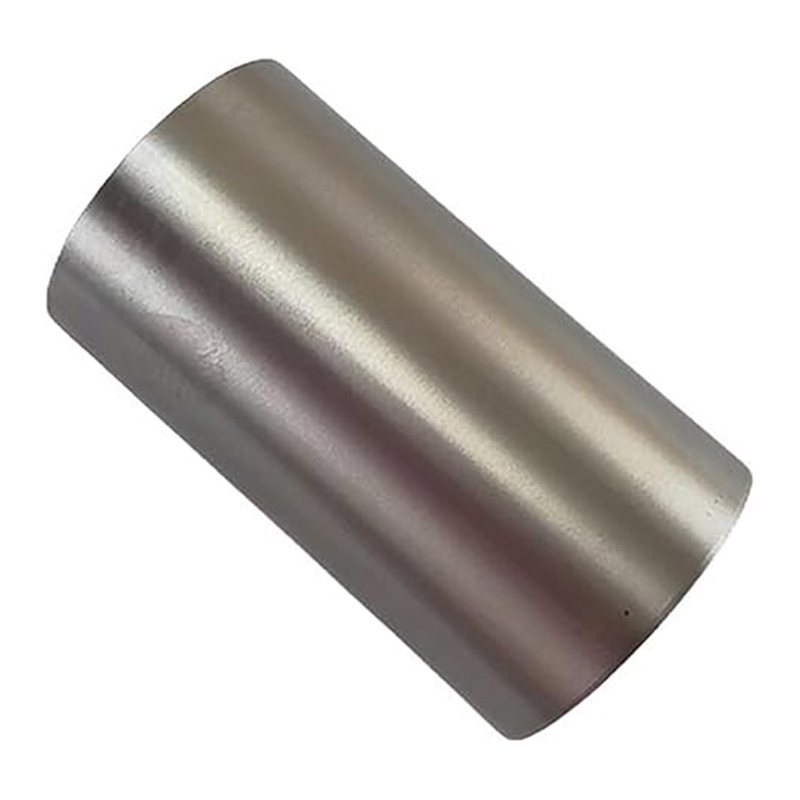
Protrusion is the small height the liner stands above the deck surface. It is what allows the fire ring of the head gasket to crush onto the liner top and seal combustion pressure. Get it wrong in either direction and the head gasket will fail, usually within a few thousand kilometres.
Measure protrusion with a dial gauge on every cylinder and write the figures down. Two problems matter:
Neither can be corrected by over-torquing the head bolts. If protrusion is out of specification, the liner seat or the liner itself has to be corrected.
The liner seats are sealing surfaces in their own right. Scrape the seat and the O-ring groove to bright metal and inspect for pitting where the O-rings sit. A pitted seat leaks coolant even with new seals, and the leak usually appears weeks later, after the engine has been through several heat cycles.
Lubricate the O-rings with the grease specified for the application rather than with engine oil unless the manual says otherwise. Press or drive the liner in squarely — a liner that goes in at an angle distorts and will not seal, and the damage is invisible from above.
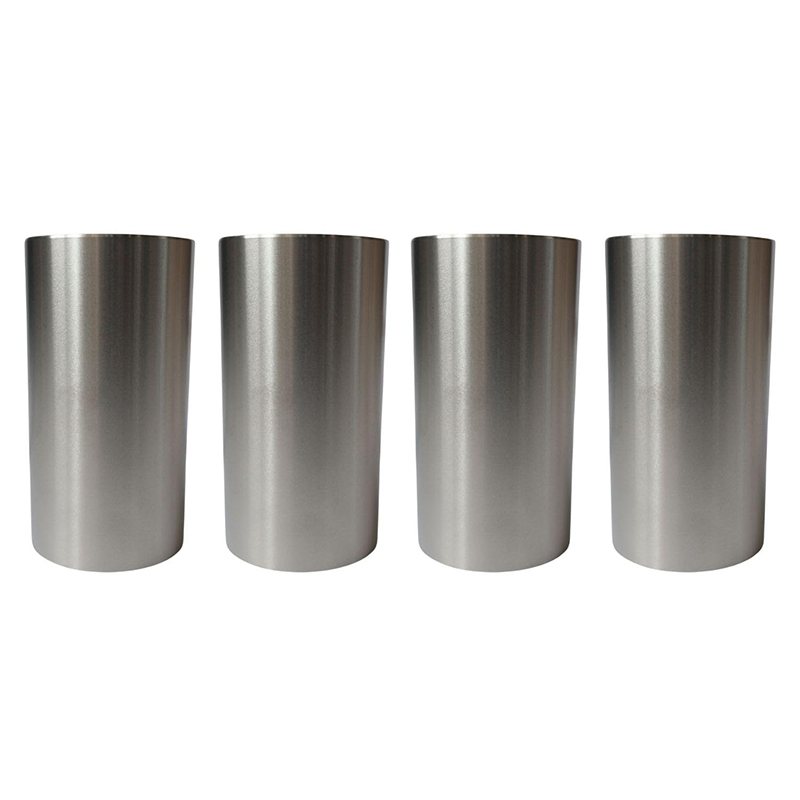
Once the liner is seated, hold it down and turn the crankshaft. If the liner lifts, the seat is not clean or the liner is not fully seated.
Wet liners vibrate against the coolant as the piston changes direction, and that vibration can collapse small vapour bubbles on the liner surface. Each collapse erodes a tiny amount of metal. Over time the pitting can perforate the liner, and the first symptom is usually coolant in the oil or white smoke.
The defence is chemistry, not hardware: the correct coolant mixture, the specified inhibitors, and a system free of air. On engines used seasonally, check coolant condition before the season rather than after a liner has pitted through.
Order the liner, piston and ring set as a matched group where possible. A bore honed for one ring type may not suit another brand, and mixing components is the most common cause of oil consumption after a rebuild that measured correctly at every step.
A new liner also needs the bore measured afterwards, at three heights and two directions, to confirm roundness. Honing does not restore a liner that is oval beyond the service limit.
New rings against a new liner need cylinder pressure to seat. Run at varying load, increasing gradually over the first hours, and change oil early. Holding full load immediately glazes the bore and leaves the rings unseated, and the engine then uses oil for the rest of its life.
Not necessarily. Check for a flange step and O-ring grooves at the top of the bore before ordering any liner.
Not always. Compare outside diameter, flange thickness and overall length against the old liner.
They are supplied ready to fit. What they need is a clean, undamaged seat and correct protrusion.
It is possible, but a single new liner among worn ones produces uneven compression and vibration. A full set is the safer route.
Our Cummins parts range is organised by component type. For this engine family, the 6BT cylinder liner 3904166 and the 6BT cylinder liner 4919951 pages both list the dimensions you need to compare before ordering.
If you are unsure whether your block takes a liner, send photographs of the deck and the bore from directly above, plus the engine plate. That is enough to tell the two block types apart before anything ships.

