
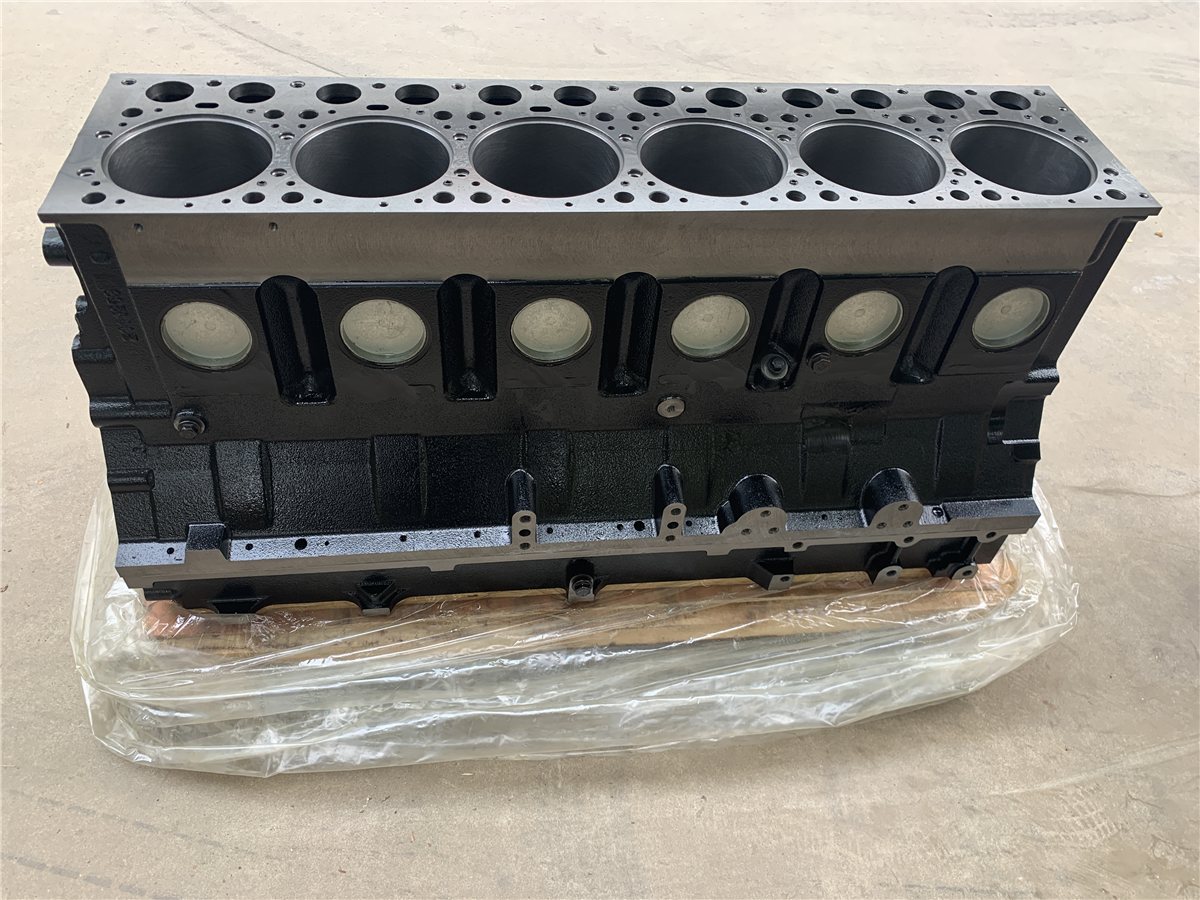
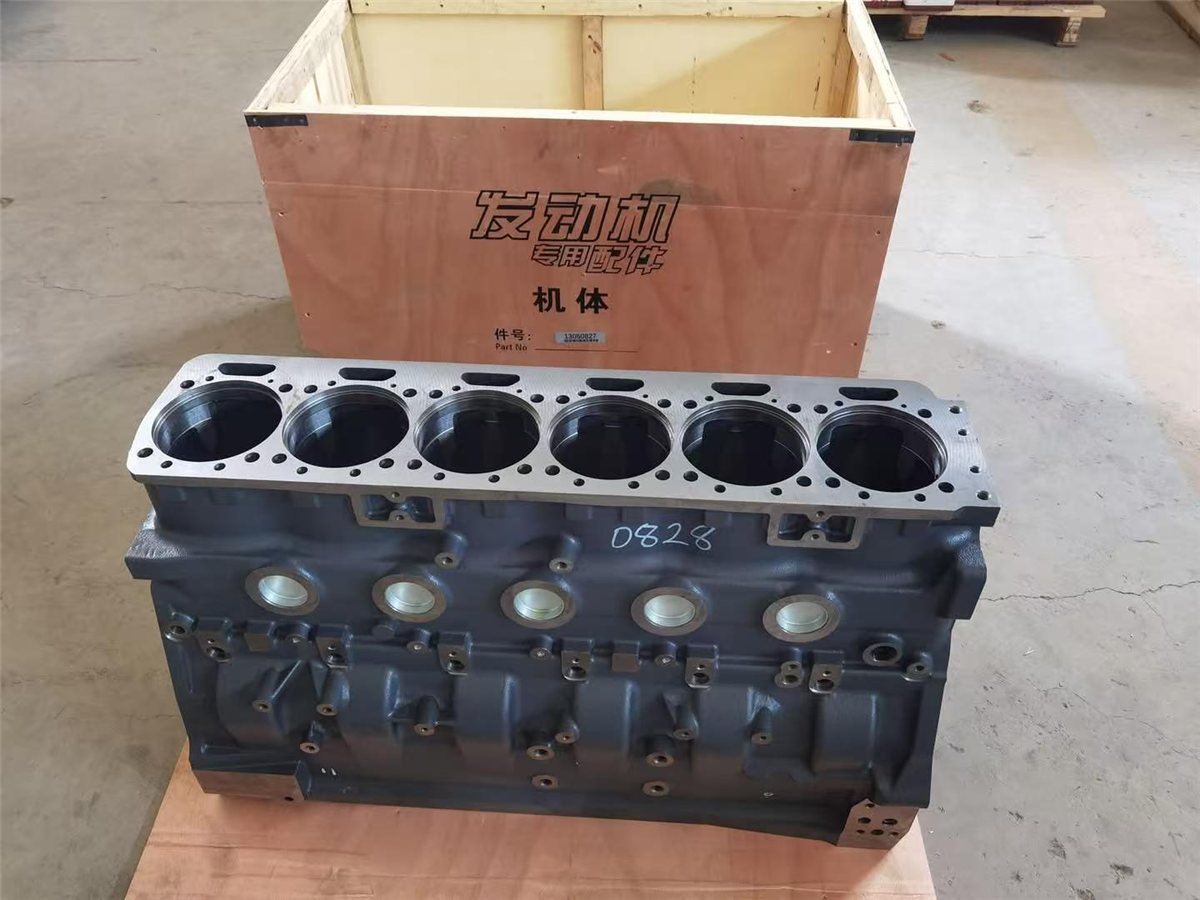
Model: WP7
Part Number: 1000317913
Brands: Weichai Power
Engine Model: WP7, WP7H
Engine Type: Diesel
Scope of application: medium and heavy trucks, buses, construction machinery, generator sets
The WP7 has been supplied with more than one cylinder block casting number, and 1000317913 is one of them. The differences are usually in the front cover bolt pattern, the engine mount pads or the accessory mounting faces, rather than in the bore spacing or deck height. That distinction matters because a block from a different revision accepts the crank and liners and then refuses your existing accessories.
Confirm the casting number and the mount configuration before ordering. Photographs of the old block from three angles, together with the engine plate, let our team confirm the casting before the container is loaded, which is far cheaper than returning a block from an overseas port.
Every dimension in an engine is referenced to the block. It holds the crankshaft in its main saddles, supports the liners, provides the deck for the head and contains the coolant and oil galleries. Because it sets the geometry, it also sets the quality ceiling of the entire rebuild.
A block with a warped deck or misaligned main bores destroys new bearings and gaskets regardless of how carefully the rest of the engine is assembled. That is why the block is measured rather than assumed serviceable, and why the measurements should travel with the shipment.
Blocks are stripped, cleaned and measured before being offered for sale. The checks are dimensional and pressure based, and each answers a specific question about whether the casting can support a rebuild.
Some damage can be repaired and some cannot. A deck machined more than once may fall below the minimum height, and a crack through a main saddle cannot be welded reliably because welding distorts bore alignment.
Once the block is on the stand, the order of assembly matters as much as the parts. Clean the galleries first, then fit the main bearings and check clearances before the crank goes in. Only after the crank turns freely should the liners and pistons follow.
The liner seats are sealing surfaces as much as the O-rings are. Scrape the seat and groove to bright metal and inspect for pitting before fitting new liners. Any residue left behind lifts the liner slightly and changes protrusion, which shows up later as a head gasket failure that nobody can explain.
Every gallery plug must be refitted with the correct sealant before the crank goes in. A missing plug means no oil pressure at start-up and destroyed bearings within seconds, and the mistake is invisible once the sump is on. Check the plugs twice before turning the engine over.
Blocks are bolted to a timber base, banded and marked with lifting points, with the deck shielded. Freight is charged on volume as well as weight, so tell us whether the block travels with other parts so heavy items can be loaded first and lighter components placed where they cannot be crushed.
Fitting liners into a bore that was not cleaned properly, skipping the deck flatness check and reusing gallery plugs with old sealant are the most common errors. Each produces a failure soon after the engine returns to service, when rework costs far more than the original check would have.
Coolant quality prevents liner pitting, oil quality prevents bearing wear and healthy engine mounts prevent cracking. Replace a failed damper promptly because crank whip loads the main saddles, and keep the radiator clean in dusty operations so coolant temperature stays in range.
It is supplied bare by default. Liners can be fitted on request.
Not reliably. Welding distorts alignment.
No. They are different castings with different deck height.
Deck flatness, main bore alignment, liner bore roundness and the pressure test report.
Browse the Weichai cylinder block category, and complete the build with the WP7 cylinder block 1000267735 or the WP7 and WP8 crankshaft 1000186869.
Weichai WP7 Cylinder Block (1000317913). Every clearance in the engine is measured from this casting. That is why a replacement block is checked for deck flatness and main bore alignment before it is packed, and again when it arrives on site.
Check that the liner seat diameter and the flange recess match the liners you intend to fit. A block and liner set from different revisions will assemble and then leak coolant past the O-rings.
Numbers beginning 1000 come from the newer numeric series used for assemblies and later-production parts. This series replaced several earlier numbers, so a cross-reference check is worthwhile. On this engine, confirm the WP7 application against the engine plate before ordering.
On arrival, have the deck checked for flatness with a straight edge and feeler gauge along the length and both diagonals, and confirm main bore alignment before the bearings go in.
Ordering note. Warranty is twelve months against manufacturing defects. Failures caused by incorrect clearance, overheating or debris are assessed on the returned part rather than refused outright.
Related reading: Cylinder Block: Cracks, Deck Flatness and Line Boring
| We Are 30 Years Diesel Engine Parts Supplier | |
| Brand | EPID |
| Warranty | 12 Months |
| Condition | 100%New |
| More Models | Weichai: WP7, WP7H, and other Weichai series. |
| Shipping | By sea / air / express (DHL, FEDEX, TNT, UPS, EMS) |
| Packing | Standard exporting packing or as required |
| Payment Term | L/C, T/T, Western Union, Trade Assurance |
| Delivery Time | 3-7 days (depend on order) |
| Selling Point | 1. On-time Delivery 2. Genuine Quality Assurance 3. Professional Supplier |
Blocks are stripped, cleaned and measured before being offered for sale. The checks are dimensional and pressure based, and each answers a specific question about whether the casting can support a rebuild.
Some damage can be repaired and some cannot. A deck machined more than once may fall below the minimum height, and a crack through a main saddle cannot be welded reliably because welding distorts bore alignment.
Once the block is on the stand, the order of assembly matters as much as the parts. Clean the galleries first, then fit the main bearings and check clearances before the crank goes in. Only after the crank turns freely should the liners and pistons follow.
The liner seats are sealing surfaces as much as the O-rings are. Scrape the seat and groove to bright metal and inspect for pitting before fitting new liners. Any residue left behind lifts the liner slightly and changes protrusion, which shows up later as a head gasket failure that nobody can explain.
Every gallery plug must be refitted with the correct sealant before the crank goes in. A missing plug means no oil pressure at start-up and destroyed bearings within seconds, and the mistake is invisible once the sump is on. Check the plugs twice before turning the engine over.
Blocks are bolted to a timber base, banded and marked with lifting points, with the deck shielded. Freight is charged on volume as well as weight, so tell us whether the block travels with other parts so heavy items can be loaded first and lighter components placed where they cannot be crushed.
Fitting liners into a bore that was not cleaned properly, skipping the deck flatness check and reusing gallery plugs with old sealant are the most common errors. Each produces a failure soon after the engine returns to service, when rework costs far more than the original check would have.
Coolant quality prevents liner pitting, oil quality prevents bearing wear and healthy engine mounts prevent cracking. Replace a failed damper promptly because crank whip loads the main saddles, and keep the radiator clean in dusty operations so coolant temperature stays in range.
Browse the Weichai cylinder block category, and complete the build with the WP7 cylinder block 1000267735 or the WP7 and WP8 crankshaft 1000186869.
It is supplied bare by default. Liners can be fitted on request.
Not reliably. Welding distorts alignment.
No. They are different castings with different deck height.
Deck flatness, main bore alignment, liner bore roundness and the pressure test report.
EPID supplies diesel engine parts for Weichai, Baudouin, Yuchai, Caterpillar, Sinotruk, FAW Xichai and Cummins engines. Every order is checked against the original part number before packing, and our team can identify a part from a photo of the engine plate. Ask for a quotation with your model and quantity and we will reply within one working day.

