A cylinder block is the reference for every dimension in the engine. When it is distorted, no amount of careful assembly will produce an engine that seals, because the head gasket, the bearings and the liners all depend on the block being correct.
This guide covers the four conditions that decide whether a block can be repaired, how to measure each one, and the point at which replacement is the cheaper answer.
A block that passes all four can usually be rebuilt. A block that fails the first or third is usually scrap, because both repairs cost more than a replacement casting on most industrial engines.
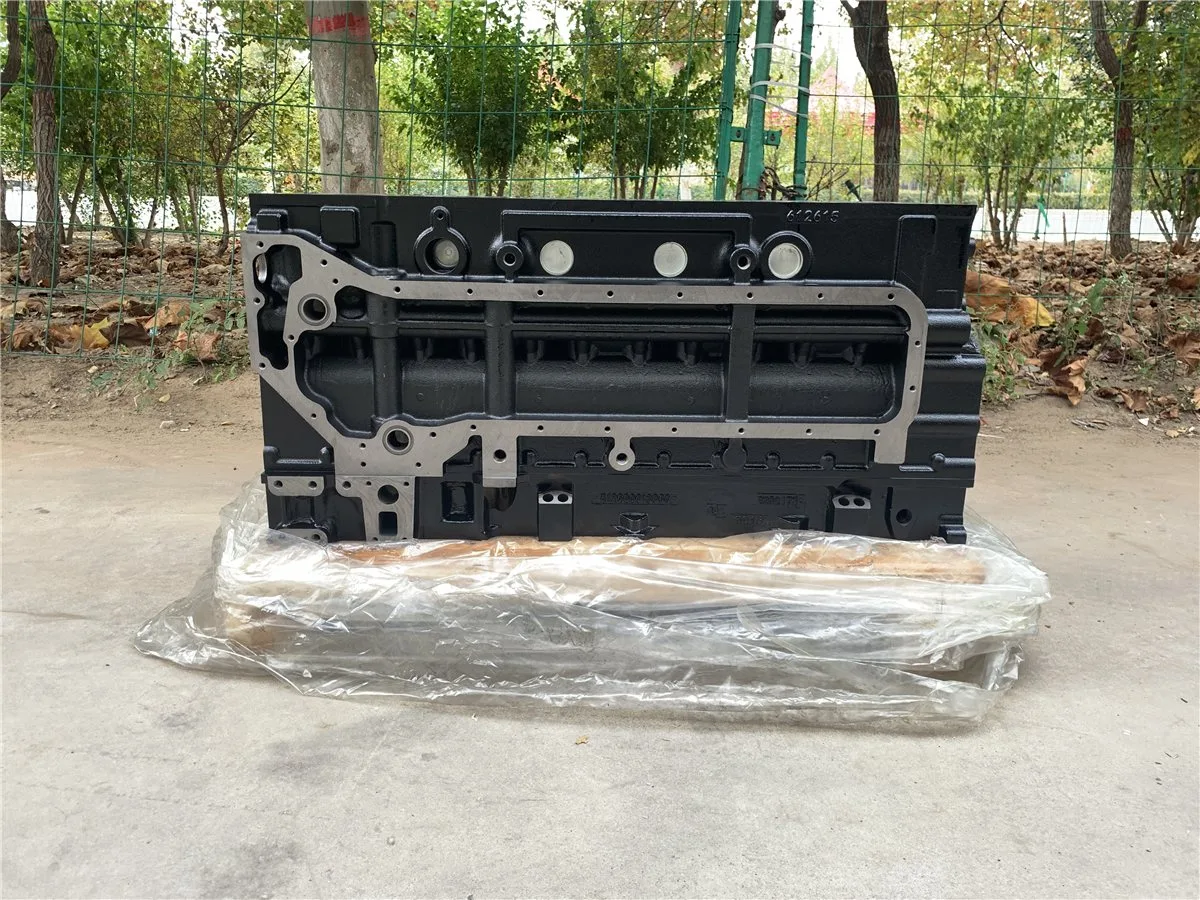
Cracks are found by test, not by looking. Three methods cover the usual locations:
Typical locations are between the liner bores, from a head bolt hole into a water passage, along the main saddle webs, and at the freeze plug seats. A crack between two liner bores on a wet-liner engine is normally terminal: the repair requires stitching or a new block, and neither is cheap.
Use a straight edge and feeler gauge along the length, across the width and both diagonals. Record the largest gap and where it is.
A deck that is out of flatness cannot be corrected by a thicker gasket or by extra torque. It must be machined, and machining removes material that changes deck height and therefore piston-to-head clearance and compression ratio.
If the block is machined, the amount removed has to be recorded and compensated for 鈥?usually by a thicker head gasket, sometimes by shorter pistons. A shop that machines a deck without telling you the figure has made the rebuild unpredictable.
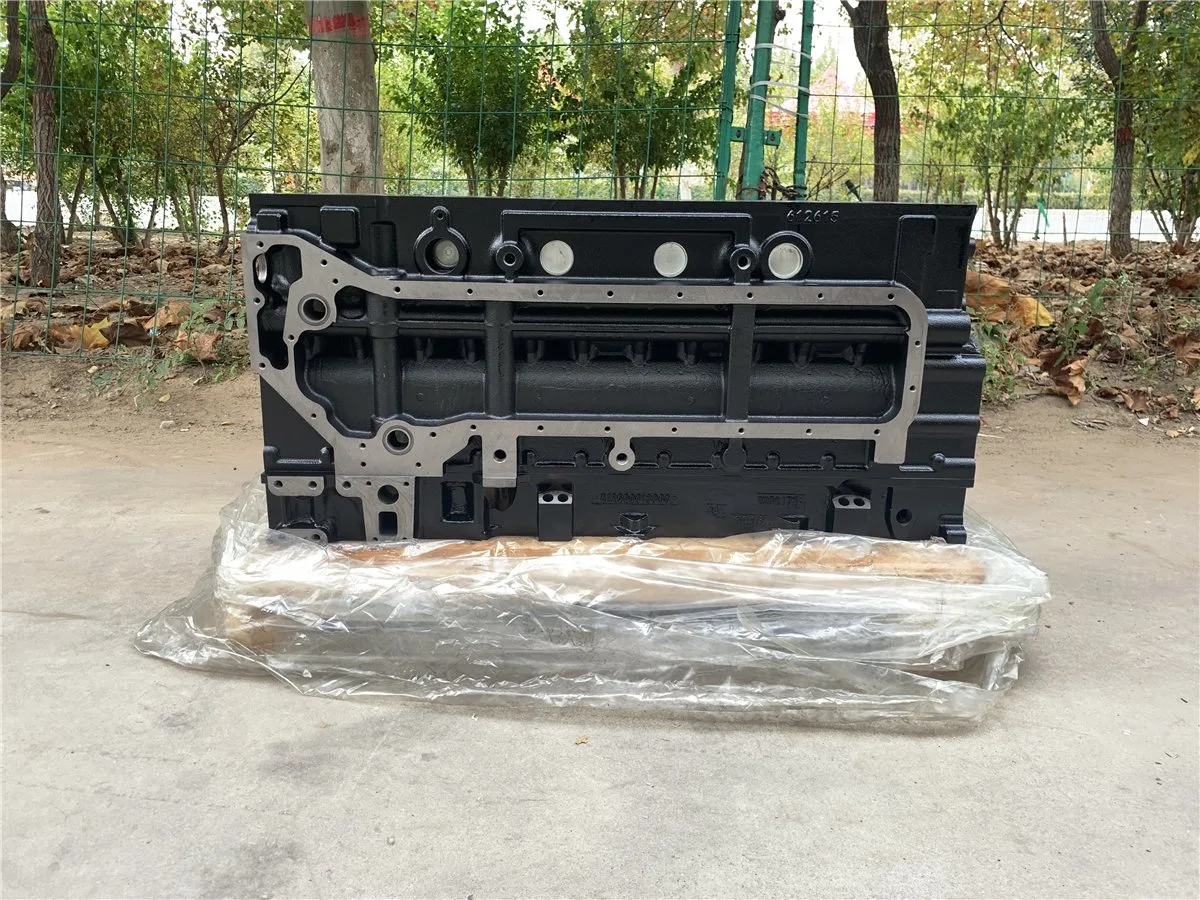
The main bores must be co-linear. If they are not, the crankshaft bends as it rotates, the oil film varies around the journal, and the bearings fail at the loaded side.
Alignment is checked with a straight edge and bore gauge, or by a specialist with a mandrel. When it is out, the repair is line boring: the saddles are cut oversize and the tunnel is brought back to a straight line at the standard or an oversize dimension.
Line boring changes the crank centreline height. That affects timing gear mesh, oil pump drive and sometimes piston deck height, so the decision belongs with a machine shop that understands the specific engine.
On a wet-liner block, the seat is a sealing surface in its own right. It must be flat, clean and free of pitting, because the liner flange crushes against it and the O-rings seal in the groove below.
Scrape the seat to bare metal and inspect with a straight edge. Pitting where the O-rings sit will leak coolant even with new seals, and the leak typically appears weeks later, after several heat cycles 鈥?long after the engine was declared finished.
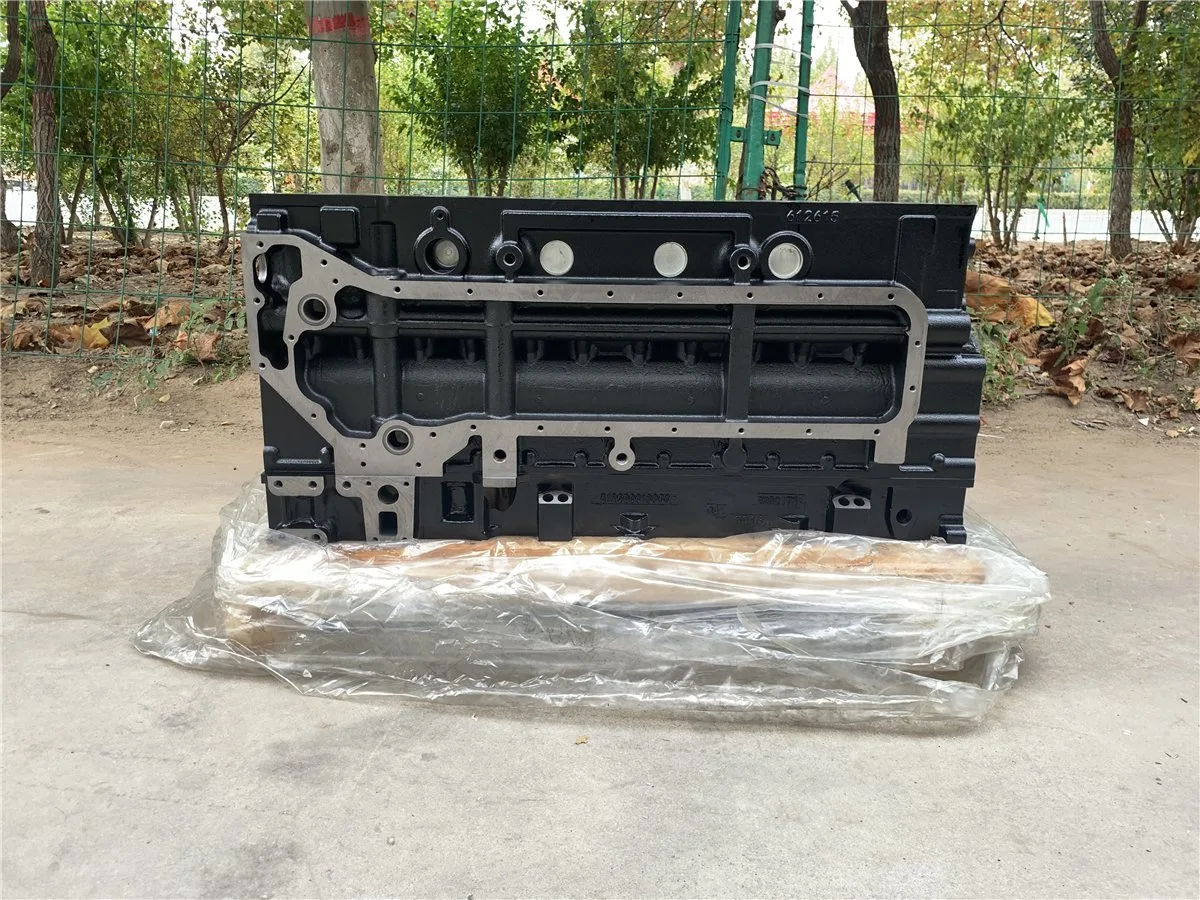
Check liner protrusion on every cylinder after the liners are fitted and record the figures. That single measurement is what allows the head gasket to seal.
Cast iron is stable, but it is not immune to heat. The deck warps when the engine has been overheated, and it warps most between the exhaust side and the centre, which is exactly where the fire ring has least support.
The main saddles move for a different reason: overloading. A block that has run with a worn damper, or with a crankshaft that was already bending, takes a permanent set in the saddle area. That is why alignment is measured rather than assumed on any high-hour engine.
Liner seats erode chemically as well as mechanically. Coolant that has been left too long, or mixed with the wrong additive package, attacks the seat and the O-ring groove. The pitting found there is often the only visible evidence that the coolant was never maintained.
None of these conditions is visible from outside the engine, and none shows up in a compression test. They are found by measuring, which is why a block should be checked before a rebuild is costed rather than after the parts are ordered.
| Condition | Action | Reason |
| Deck slightly out of flatness | Machine, record figure | Correctable, but deck height changes |
| Deck heavily warped or eroded | Replace | Insufficient material remains |
| Main bores out of alignment | Line bore or replace | Decide with a specialist |
| Crack between liner bores | Replace | Not economically repairable |
| Crack at a bolt hole or boss | Repair possible | Localised, not load bearing |
| Pitted liner seat | Machine or replace | Sealing surface compromised |
Sometimes, on a non-critical area, by a specialist. Cracks in the water jacket between bores are normally terminal.
Only to the manufacturer’s limit. Beyond it, deck height and compression ratio change beyond what a gasket can compensate.
Only if alignment is out of specification. Measure first 鈥?line boring unnecessarily changes the crank centreline.
Deck flatness, main bore alignment, liner seats and the casting number against the engine plate.
Our Weichai Power parts range is organised by component type. For the blocks discussed here, see the WD615 cylinder block 1002099589, the WP13 cylinder block 612700010001, the WP8 cylinder block 1001854444 and the Baudouin 4M10G cylinder block 1004708401 pages.
If you are deciding whether a block is worth rebuilding, send photographs of the deck and the liner seats together with the casting number. Those images usually settle it before any machining is booked.

