A generator set engine does not wear the way a truck engine wears. It rarely sees a cold start, it rarely sees full throttle, and it almost never sees a long coast. What it does see is thousands of hours at a constant load, and that pattern produces a different failure order than road service.
This guide covers what fails first in continuous-duty diesel generators, how to plan around engine hours rather than kilometres, and what a spares stock should actually contain.
Three things separate a genset engine from a vehicle engine:
The practical consequence: plan maintenance in engine hours, and treat light-load running as a wear factor rather than a gentle one.
| Component | Typical first interval | What it looks like |
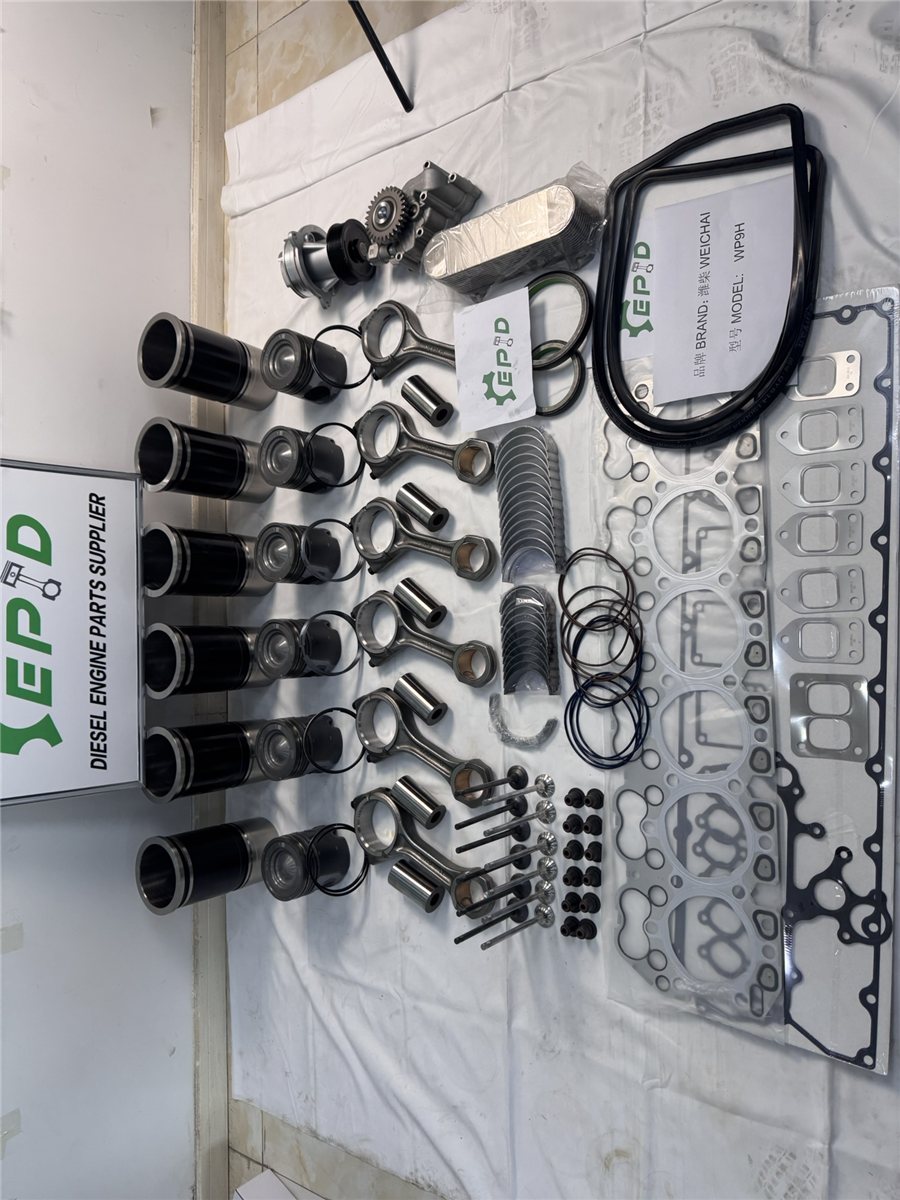
| Piston rings and liners | 8,000-12,000 h | Oil consumption, crankcase pressure, blow-by |
| Valves and seats | 10,000-15,000 h | Hard starting, compression loss, seat recession |
| Injectors | 6,000-10,000 h | Smoke, fuel dilution, uneven exhaust temperature |
| Head gasket and liner seals | When the head comes off | Coolant loss, combustion gas in the radiator |
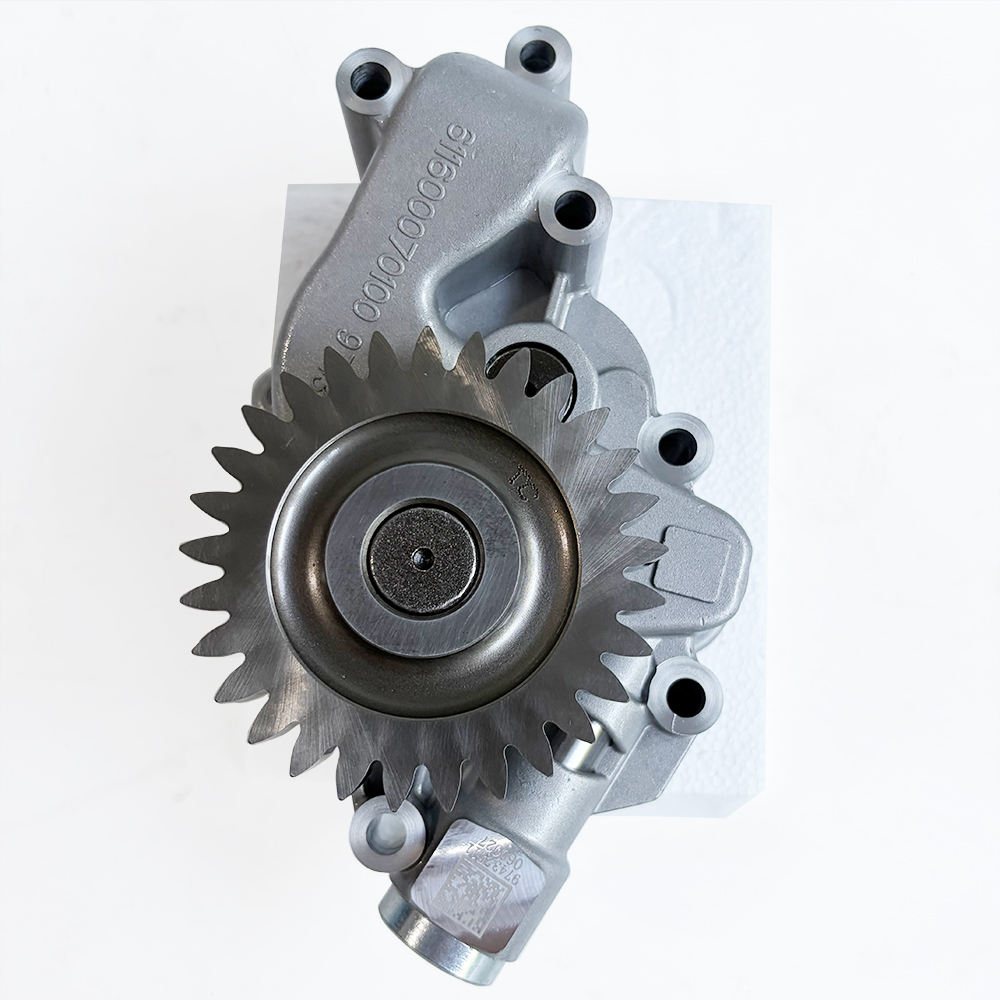
| Oil pump | With the rebuild | Low hot pressure, slow pressure build on start |
| Turbocharger (if fitted) | 10,000-15,000 h | Oil in the intake, lag, rising exhaust temperature |
These are planning bands, not limits. Oil analysis and compression testing tell you where an individual engine actually sits — a set running at 30% load will reach the ring and liner band later than one running at 80%.
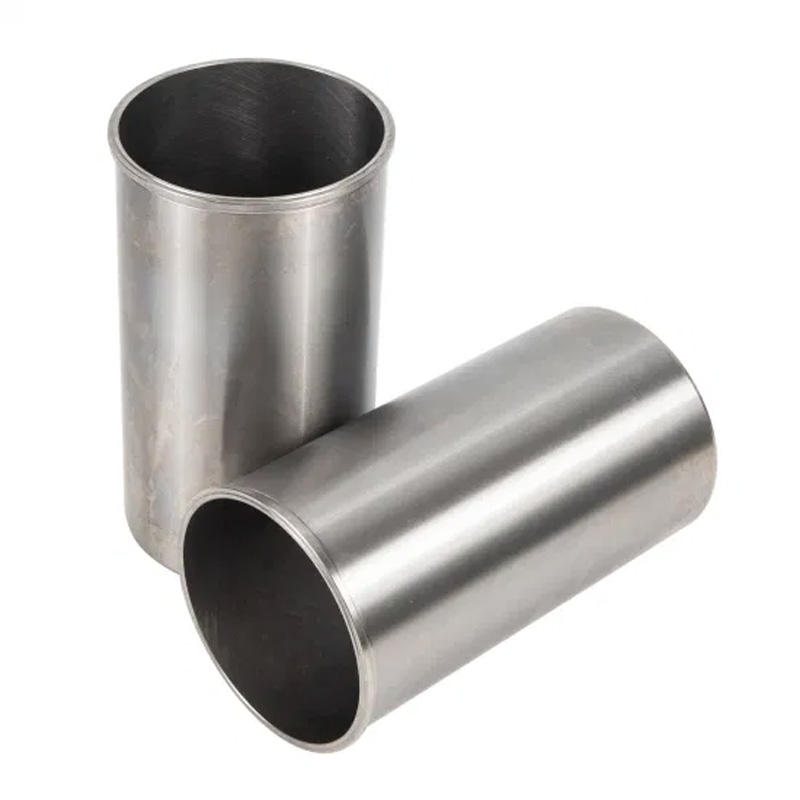
In a genset the bore wears slowly and evenly, which is good news: there is rarely a ridge to break a new ring on. The bad news is glazing. A set that runs lightly for long periods polishes the cross hatch away, the rings never bed in, and the engine starts using oil at an hour count where a hard-working set would still be clean.
When the top end is opened, measure liner protrusion on every cylinder and record it. Even wear is exactly what makes this measurement worth taking — the gasket seals on the fire ring crushing onto the liner top, and a set of liners that have all worn evenly still needs correct protrusion.
Constant load means constant heat, and exhaust valves take the worst of it. Seat recession shows up first as hard starting and a slight compression loss, then as a misfire that moves between cylinders.
With the head off, cut the seats rather than lapping them, replace guides and ream them to size after fitting, and fit new stem seals. A head that is rebuilt with old seals will smoke on start-up and the engine will be blamed.
Hours at constant load wear injector nozzles steadily, and the first symptom is usually smoke rather than power loss — a generator holds its speed, so a dropping injector shows up as black smoke and a rising exhaust temperature rather than a change in note.
Fuel quality matters more than most operators expect. Water and sediment reach the injector first, and a set with a neglected filter will wear nozzles at half the expected interval.
Gensets have two cooling risks that vehicles do not share. The first is a coolant system that sits idle for weeks: seals dry, and air enters when the system contracts. The second is cavitation, which is driven by liner vibration and made worse when the additive package has depleted.
Test the coolant at the recommended interval rather than topping up with water. Liner pitting is invisible until it perforates, and by then the engine is making coolant disappear with no external leak.
For a fleet of similar sets, the parts that stop a machine are rarely the expensive ones: filters, injector copper washers, gasket sets, coolant hoses, thermostats, belt tensioners and a spare set of injectors. Holding one complete top-end set — head gasket, liner set, ring set — covers most unplanned stops without tying up capital in a crankshaft.
It depends on load factor and fuel quality. Use oil analysis and compression trends; typical planning bands run from 10,000 to 20,000 hours.
Yes. Sustained light load glazes bores and loads the exhaust with unburnt fuel. Where possible run at 50% or more.
For a standby set protecting a critical load, yes. A planned rebuild costs far less than a failure during an outage.
Only where the part number and rating match. Genset engines are often governed differently, and pistons and injectors follow the rating.
Our Weichai Power parts range covers the assemblies that fail first in continuous duty. For the rebuild itself, see the WP9 engine overhaul kit, the WP13 cylinder liner, the WP12 oil pump and the WP6 full gasket kit pages.
If you are planning a rebuild, send the engine plate, the hour meter reading and the oil analysis trend. That combination usually identifies which parts are due before anything is ordered.

