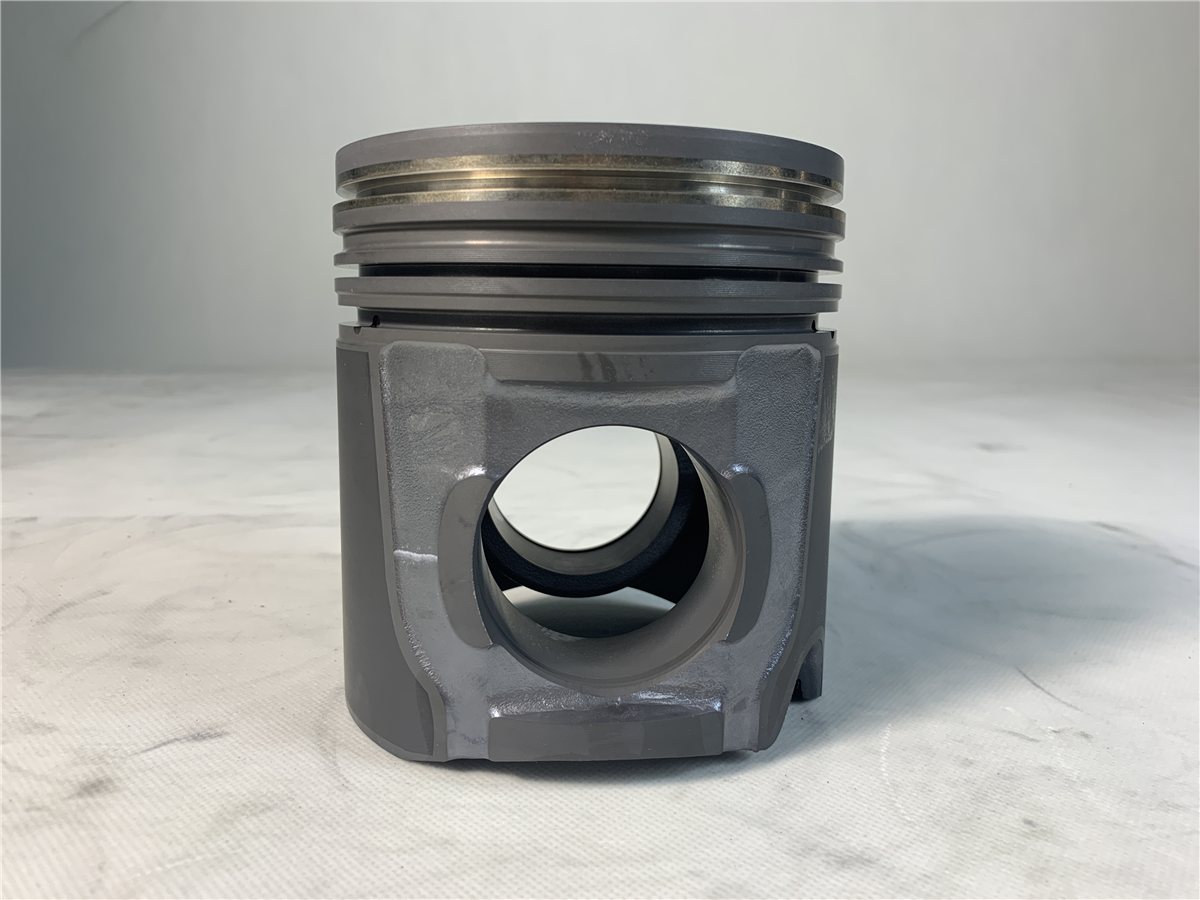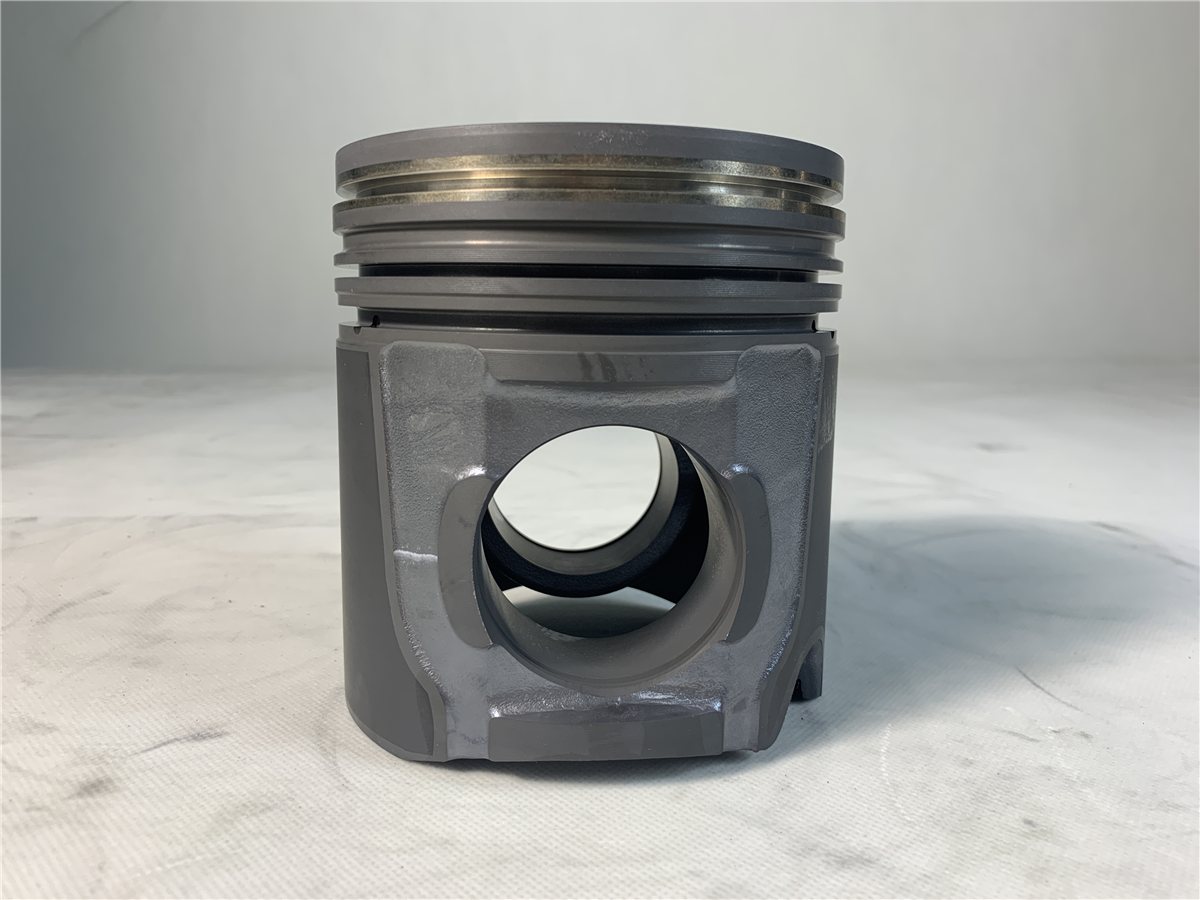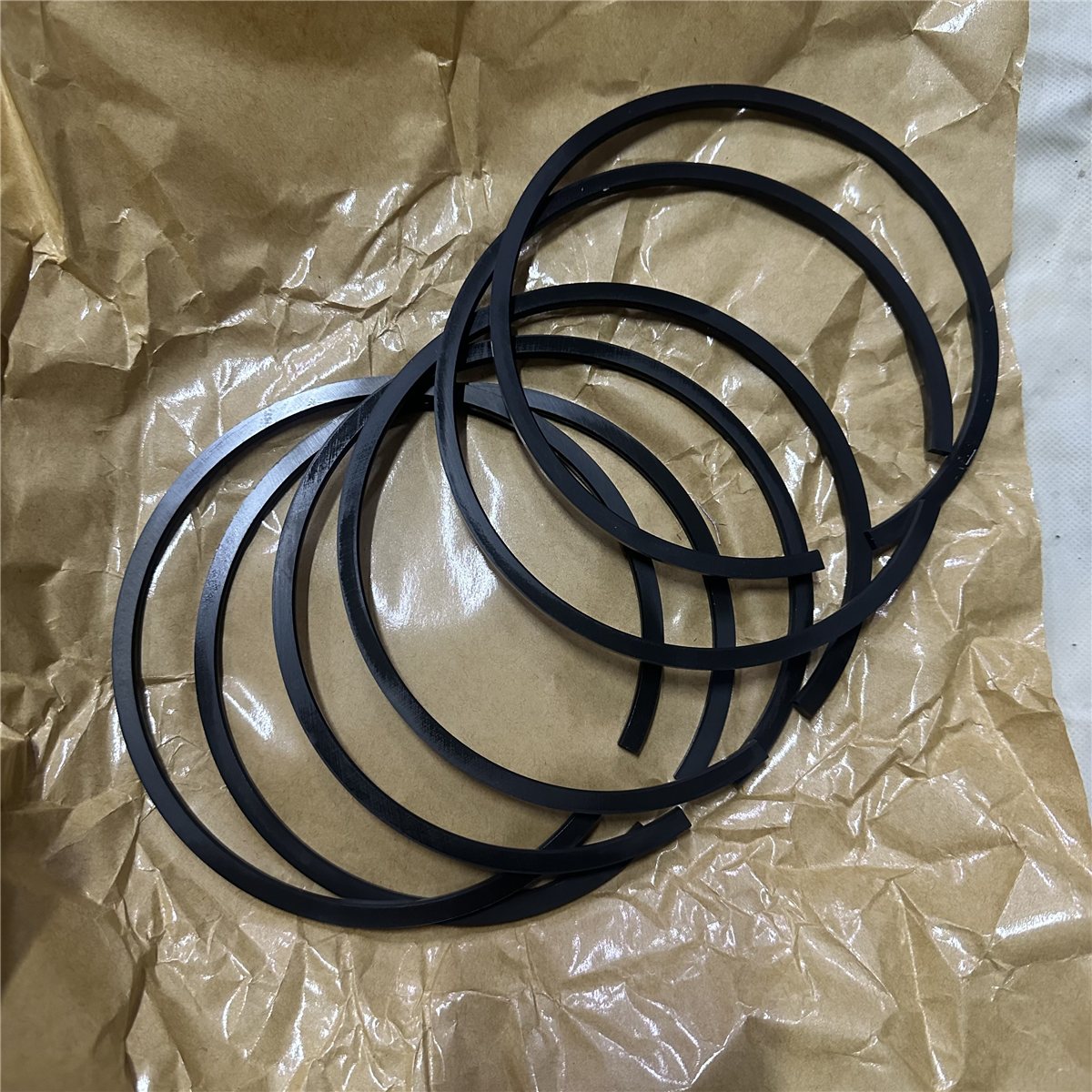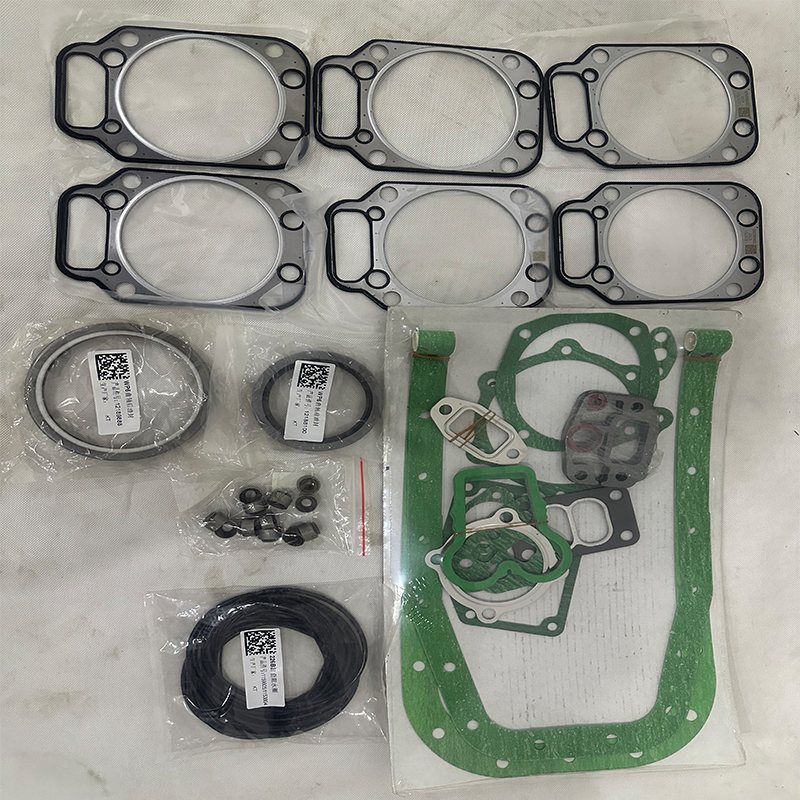
Model: 6M
Part Number: 1003010716
Brands: Baudouin
Engine Model: Baudouin 6M series
Engine Type: Marine and industrial diesel
Scope of application: marine propulsion, marine auxiliary, generator sets
The head gasket sits between the block and the head and has to seal three things at once: combustion gas at high pressure, coolant at temperature and oil returning from the valve train. Part 1003010716 is the head gasket for the Baudouin 6M series, a multi-layer steel design with fire rings around each bore and coolant holes matched to the block.
No other gasket in the engine works under comparable conditions. That is why head gasket failures account for a large share of the reasons engines come out of service, and why the part should never be chosen by eye.
Head gaskets are matched to the block and head casting. Fire ring position, coolant hole pattern and compressed thickness must all be correct. A gasket that fits but has the wrong hole pattern blocks coolant flow, causing a local hot spot that later looks like a warped head or a cracked seat.
Gaskets ship flat in a rigid carton. A creased head gasket leaks even when fitted perfectly.
A cooling system pressure test and a combustion gas test on the coolant confirm a head gasket failure in minutes. Both are cheap compared with stripping a healthy engine, and both give a clear answer rather than a guess based on symptoms.
Head bolts are torque-to-yield and must be replaced every time. Reusing them reduces clamping force, and the gasket then fails at high load. That failure is almost always blamed on the gasket rather than on the bolts.
A gasket can only seal a surface that is flat. Measure both the block deck and the head face with a straight edge and feeler gauge along the length and both diagonals. A deck out by more than the service limit must be machined, and no gasket compensates for it.
Marine engines are cooled through a heat exchanger, and a fouled exchanger raises coolant temperature without any pump fault. Before blaming the head gasket for overheating, verify raw water flow and exchanger condition. On a working boat this check saves unnecessary work.
Never open a pressurised cooling system while hot. Let the engine cool completely, then release the cap slowly. On a boat the expansion tank can be above head height.
Store the gasket flat, dry and out of sunlight until the deck is ready. Keep it in its carton rather than on a bench where it can be bent.
After the head is fitted and the engine is running, bring it to operating temperature and then let it cool completely before rechecking. On modern torque-to-yield bolts, retorquing is not recommended, but checking coolant level, looking for external leaks and confirming valve clearance after the first cycle are all worthwhile.
Record the coolant level and top-up quantity in the engine log. A small, steady loss after a head gasket job usually means a hose or a core plug rather than the gasket itself, and it is much easier to find in the first week than after a long voyage.
Overheating is the most common cause. A partially blocked heat exchanger or a tired raw water impeller raises coolant temperature, the head expands unevenly and the gasket loses clamping load in one area. By the time the leak appears, the exchanger has usually been neglected for a long time.
Detonation is the second cause. Over-fuelling or a faulty injector raises peak cylinder pressure, and the gasket fire ring takes the load. If a gasket fails with no sign of overheating, have the injectors tested before rebuilding.
No, this is the cylinder head gasket. A full kit is available separately.
No. The steel gasket is installed dry.
No. They are torque-to-yield and must be replaced.
Pressure test the cooling system and run a combustion gas test.
Browse the Baudouin gasket set category, and pair the gasket with the 6M cylinder liner kit 1009552514 or the 4M10G110 full gasket kit 7000002541.
Baudouin Cylinder Head (1003010716). The head carries combustion pressure, the valve train and the injectors, and it has to seal all three against a block that expands at a different rate. It is the most highly stressed casting in the engine.
Photograph the deck, the casting number and the old gasket. Those three images usually identify the revision before anything ships, and they are far cheaper than a returned head.
Numbers beginning 1003 belong to the numeric series used across WP7, WP8 and WP9. The engine plate is the fastest way to confirm which revision applies.
Fit new head bolts every time. They are torque-to-yield fasteners and reusing them reduces clamping load exactly where the gasket needs it most, under load at working temperature.
Ordering note. Warranty is twelve months against manufacturing defects. Failures caused by incorrect clearance, overheating or debris are assessed on the returned part rather than refused outright.
Related reading: Cylinder Head Rebuild: Valves, Guides and Seats
| We Are 30 Years Diesel Engine Parts Supplier | |
| Brand | EPID |
| Warranty | 12 Months |
| Condition | 100%New |
| More Models | Weichai: Baudouin 6M series, and other Weichai series. |
| Shipping | By sea / air / express (DHL, FEDEX, TNT, UPS, EMS) |
| Packing | Standard exporting packing or as required |
| Payment Term | L/C, T/T, Western Union, Trade Assurance |
| Delivery Time | 3-7 days (depend on order) |
| Selling Point | 1. On-time Delivery 2. Genuine Quality Assurance 3. Professional Supplier |
Gaskets ship flat in a rigid carton. A creased head gasket leaks even when fitted perfectly.
A cooling system pressure test and a combustion gas test on the coolant confirm a head gasket failure in minutes. Both are cheap compared with stripping a healthy engine, and both give a clear answer rather than a guess based on symptoms.
Head bolts are torque-to-yield and must be replaced every time. Reusing them reduces clamping force, and the gasket then fails at high load. That failure is almost always blamed on the gasket rather than on the bolts.
A gasket can only seal a surface that is flat. Measure both the block deck and the head face with a straight edge and feeler gauge along the length and both diagonals. A deck out by more than the service limit must be machined, and no gasket compensates for it.
Marine engines are cooled through a heat exchanger, and a fouled exchanger raises coolant temperature without any pump fault. Before blaming the head gasket for overheating, verify raw water flow and exchanger condition. On a working boat this check saves unnecessary work.
Never open a pressurised cooling system while hot. Let the engine cool completely, then release the cap slowly. On a boat the expansion tank can be above head height.
Store the gasket flat, dry and out of sunlight until the deck is ready. Keep it in its carton rather than on a bench where it can be bent.
After the head is fitted and the engine is running, bring it to operating temperature and then let it cool completely before rechecking. On modern torque-to-yield bolts, retorquing is not recommended, but checking coolant level, looking for external leaks and confirming valve clearance after the first cycle are all worthwhile.
Record the coolant level and top-up quantity in the engine log. A small, steady loss after a head gasket job usually means a hose or a core plug rather than the gasket itself, and it is much easier to find in the first week than after a long voyage.
Overheating is the most common cause. A partially blocked heat exchanger or a tired raw water impeller raises coolant temperature, the head expands unevenly and the gasket loses clamping load in one area. By the time the leak appears, the exchanger has usually been neglected for a long time.
Detonation is the second cause. Over-fuelling or a faulty injector raises peak cylinder pressure, and the gasket fire ring takes the load. If a gasket fails with no sign of overheating, have the injectors tested before rebuilding.
Browse the Baudouin gasket set category, and pair the gasket with the 6M cylinder liner kit 1009552514 or the 4M10G110 full gasket kit 7000002541.
No, this is the cylinder head gasket. A full kit is available separately.
No. The steel gasket is installed dry.
No. They are torque-to-yield and must be replaced.
Pressure test the cooling system and run a combustion gas test.
EPID supplies diesel engine parts for Weichai, Baudouin, Yuchai, Caterpillar, Sinotruk, FAW Xichai and Cummins engines. Every order is checked against the original part number before packing, and our team can identify a part from a photo of the engine plate. Ask for a quotation with your model and quantity and we will reply within one working day.