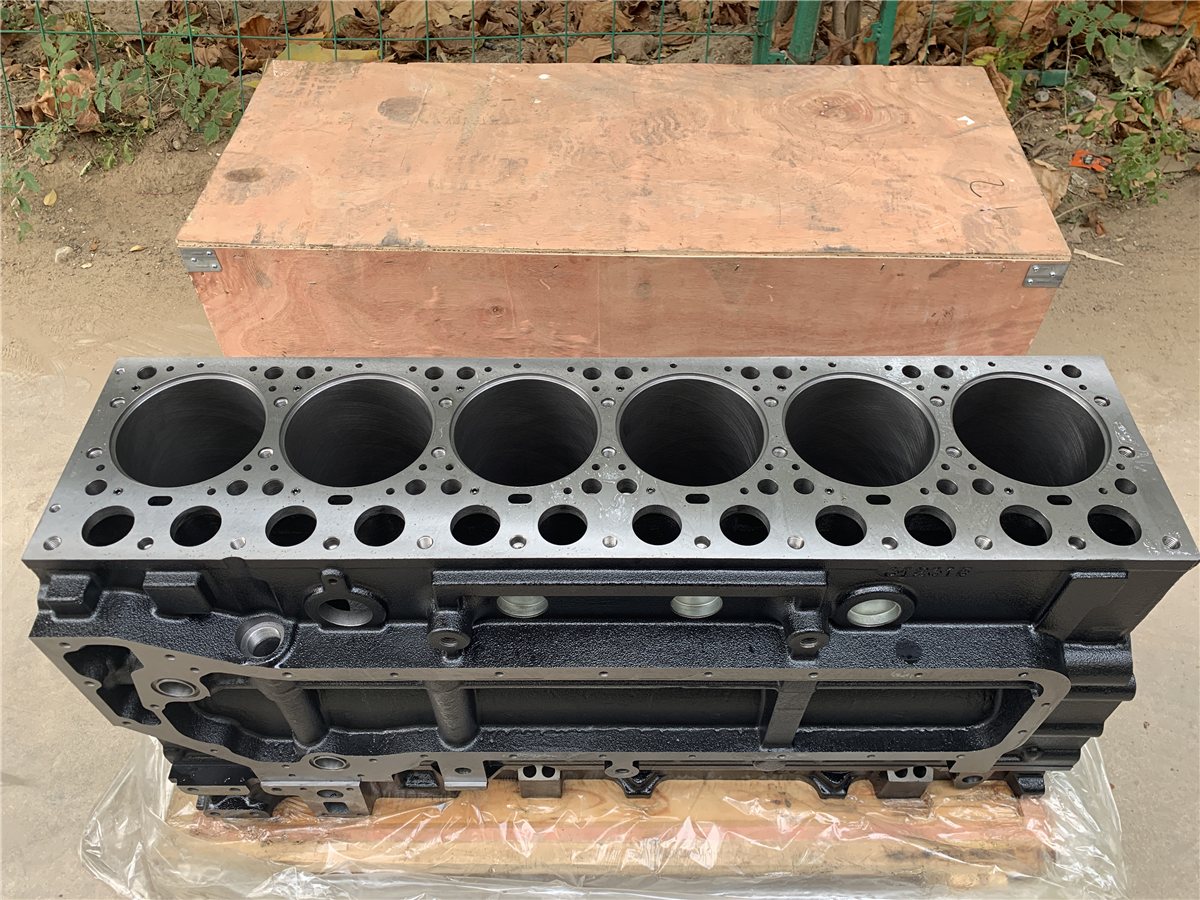
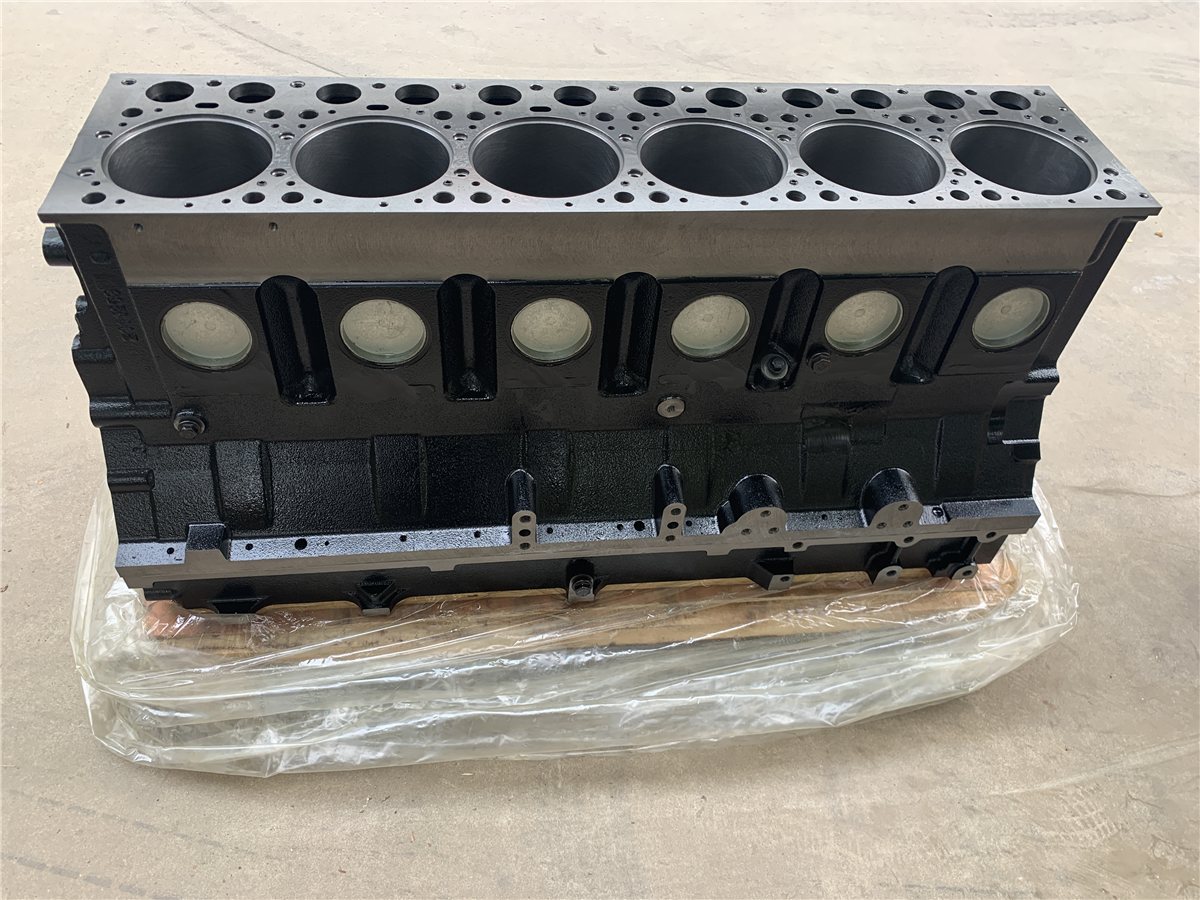
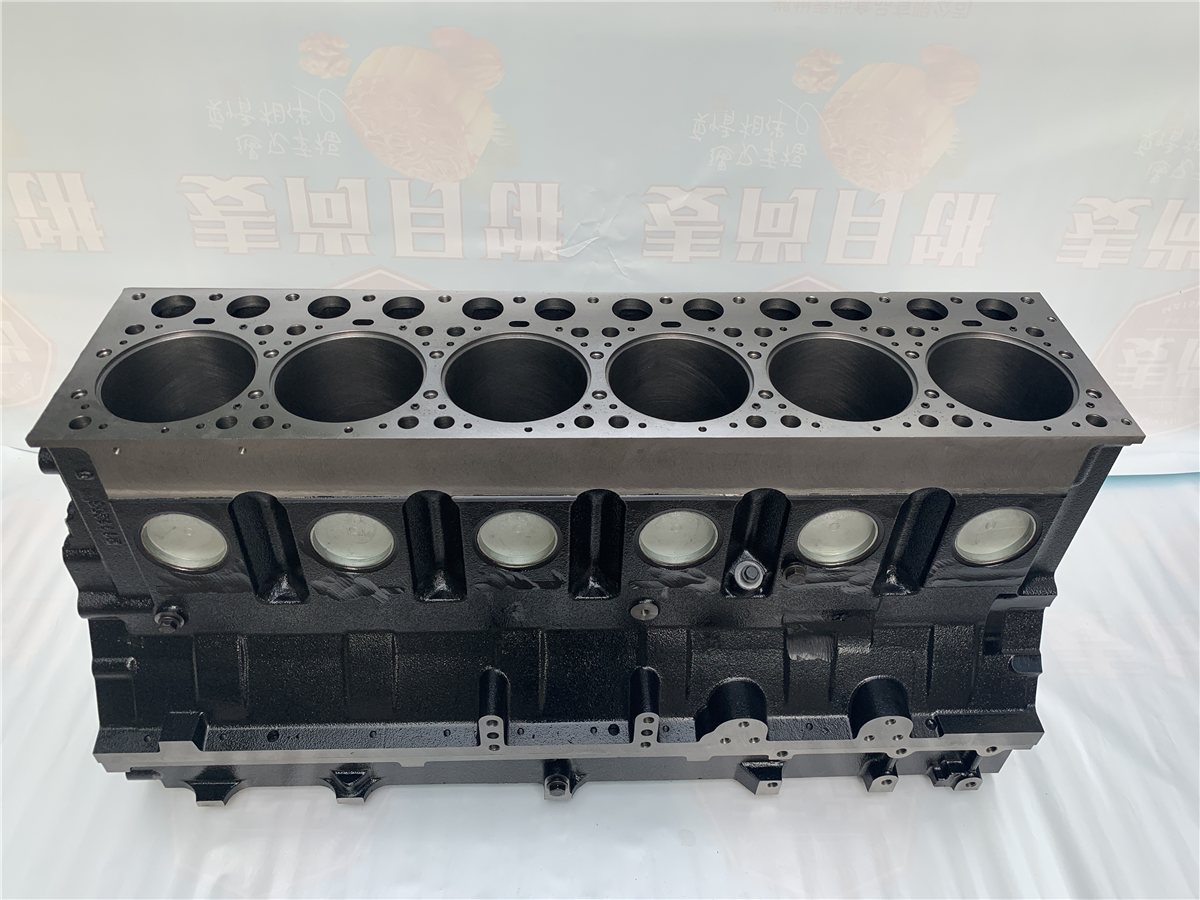
Model: WP6
Part Number: 612600013715
Brands: Weichai Power
Engine Model: WP6, WP6G, WP6H
Engine Type: Diesel
Scope of application: light and medium trucks, buses, agricultural machinery, generator sets
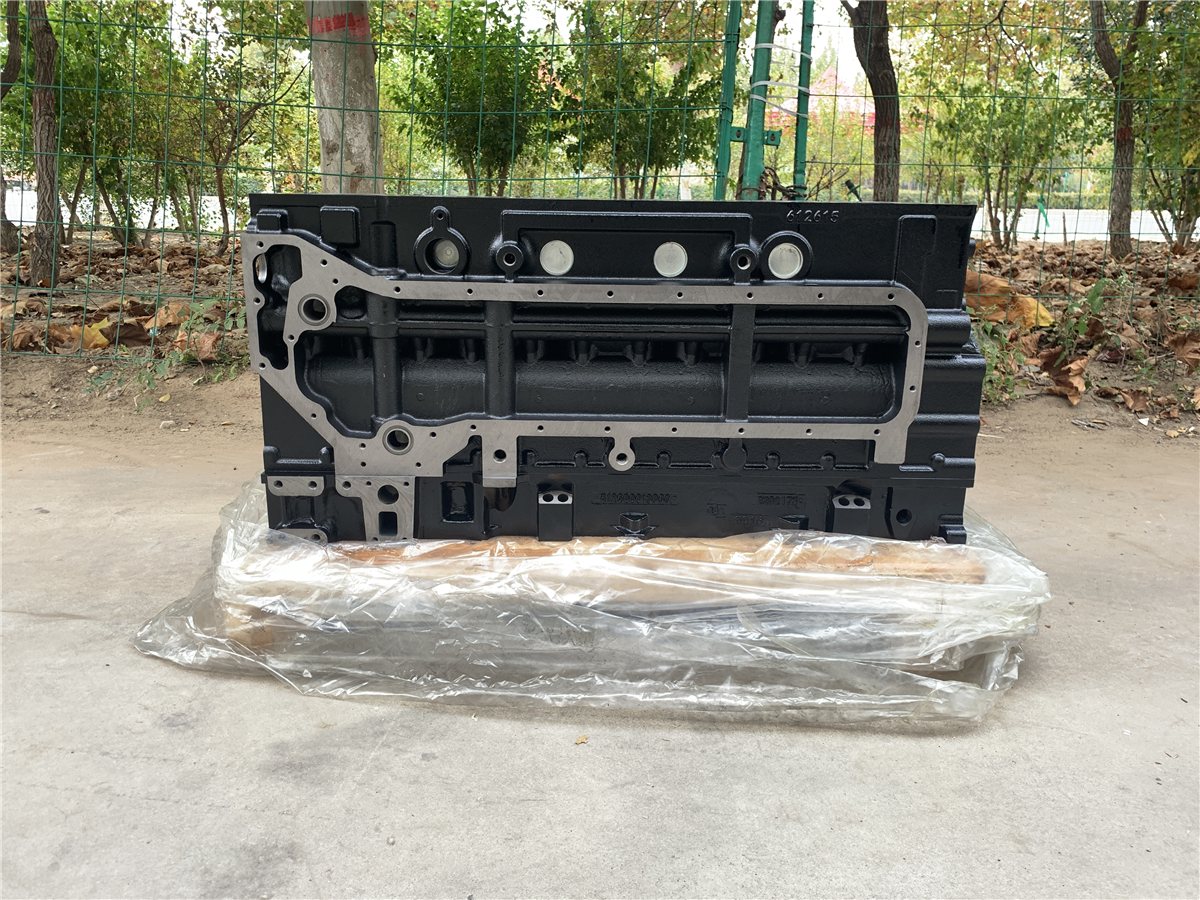
Every dimension in an engine is referenced to the block. It holds the crankshaft in its main saddles, supports the liners, provides the deck for the head and contains the coolant and oil galleries. On the Weichai WP6, part 612600013715 is the block used in this mid-range family, the engine behind a large share of light and medium trucks in export markets.
Because the block sets the geometry, it also sets the quality ceiling of the rebuild. A block with a warped deck or misaligned main bores destroys new bearings and gaskets regardless of how carefully the rest is assembled.
The block serves WP6, WP6G and WP6H engines in trucks, buses, tractors and small generator sets. Confirm the engine plate and the old block casting number: front cover patterns and mount positions changed over production years, and a block from a different variant may not accept your existing accessories.
Blocks are stripped, cleaned and measured before being offered. The checks that matter are dimensional and pressure based, and the measurements can be supplied with the shipment.
Blocks ship cleaned with machined faces oiled and protected. Liners, cam bearings and gallery plugs can be fitted before crating on request.
A deck machined more than once may fall below the minimum height, and a crack through a main saddle cannot be welded reliably because welding distorts bore alignment.
A pressure test plus a line bore check settles the question in most cases. If either fails, replacement is cheaper and more reliable than a repair.
A missing gallery plug means no oil pressure at start-up, so check them twice before turning the engine over.
Match the casting number, front cover pattern and mount holes. WP6 blocks are close relatives across ratings but not identical, and a block from a different variant may not accept your oil cooler or alternator bracket. Send photos of the old block from three angles with the engine plate and we will confirm the casting before loading.
Blocks are bolted to a timber base, banded and marked with lifting points, with the deck shielded. Freight is charged on volume as well as weight, so tell us whether the block travels with other parts so heavy items can be loaded first.
The most common mistakes are fitting liners into a bore that was not cleaned properly, skipping the deck flatness check and reusing gallery plugs with old sealant. Each produces a failure soon after the engine returns to service, when rework costs far more than the original check.
Coolant quality prevents liner pitting, oil quality prevents bearing wear and healthy engine mounts prevent cracking. Replace a failed damper promptly, because crank whip loads the main saddles, and keep the radiator clean in dusty operations.
The liner seats in the block are sealing surfaces as much as the O-rings themselves. Before fitting a liner, scrape the seat and the O-ring groove until they are bright metal and free of old scale. Any residue left behind lifts the liner slightly and changes protrusion, which shows up later as a head gasket failure that nobody can explain.
Wipe the bore dry and inspect for pitting where the O-rings sit. A pitted seat leaks coolant even with new O-rings, and cleaning it thoroughly is the only reliable preparation. Measure protrusion only after the seat is clean and dry, never immediately after washing.
It is supplied bare by default. Liners, cam bearings and gallery plugs can be fitted on request.
Not reliably. Welding distorts alignment and the crack returns.
No. They are different castings with different bore spacing.
Deck flatness, main bore alignment, liner bore roundness and the pressure test report.
Browse the Weichai cylinder block category, and complete the build with the WP6 cylinder head 13028588 or the WP6 crankshaft 13031181.
Weichai WP6 Cylinder Block (612600013715). Every clearance in the engine is measured from this casting. That is why a replacement block is checked for deck flatness and main bore alignment before it is packed, and again when it arrives on site.
Check that the liner seat diameter and the flange recess match the liners you intend to fit. A block and liner set from different revisions will assemble and then leak coolant past the O-rings.
Numbers beginning 6126 belong to the generation shared with the WD618 and early WP12 engines. Parts in this block were revised several times, so the casting or housing is the reliable identifier rather than the number alone. On this engine, confirm the WP6 application against the engine plate before ordering.
On arrival, have the deck checked for flatness with a straight edge and feeler gauge along the length and both diagonals, and confirm main bore alignment before the bearings go in.
Ordering note. Mixed pallets are accepted, so a single order can carry the block, the gasket set and the small seals together instead of arriving in three shipments.
Related reading: Cylinder Block: Cracks, Deck Flatness and Line Boring
| We Are 30 Years Diesel Engine Parts Supplier | |
| Brand | EPID |
| Warranty | 12 Months |
| Condition | 100%New |
| More Models | Weichai: WP6, WP6G, WP6H, and other Weichai series. |
| Shipping | By sea / air / express (DHL, FEDEX, TNT, UPS, EMS) |
| Packing | Standard exporting packing or as required |
| Payment Term | L/C, T/T, Western Union, Trade Assurance |
| Delivery Time | 3-7 days (depend on order) |
| Selling Point | 1. On-time Delivery 2. Genuine Quality Assurance 3. Professional Supplier |
Blocks are stripped, cleaned and measured before being offered. The checks that matter are dimensional and pressure based, and the measurements can be supplied with the shipment.
Blocks ship cleaned with machined faces oiled and protected. Liners, cam bearings and gallery plugs can be fitted before crating on request.
A deck machined more than once may fall below the minimum height, and a crack through a main saddle cannot be welded reliably because welding distorts bore alignment.
A pressure test plus a line bore check settles the question in most cases. If either fails, replacement is cheaper and more reliable than a repair.
A missing gallery plug means no oil pressure at start-up, so check them twice before turning the engine over.
Match the casting number, front cover pattern and mount holes. WP6 blocks are close relatives across ratings but not identical, and a block from a different variant may not accept your oil cooler or alternator bracket. Send photos of the old block from three angles with the engine plate and we will confirm the casting before loading.
Blocks are bolted to a timber base, banded and marked with lifting points, with the deck shielded. Freight is charged on volume as well as weight, so tell us whether the block travels with other parts so heavy items can be loaded first.
The most common mistakes are fitting liners into a bore that was not cleaned properly, skipping the deck flatness check and reusing gallery plugs with old sealant. Each produces a failure soon after the engine returns to service, when rework costs far more than the original check.
Coolant quality prevents liner pitting, oil quality prevents bearing wear and healthy engine mounts prevent cracking. Replace a failed damper promptly, because crank whip loads the main saddles, and keep the radiator clean in dusty operations.
The liner seats in the block are sealing surfaces as much as the O-rings themselves. Before fitting a liner, scrape the seat and the O-ring groove until they are bright metal and free of old scale. Any residue left behind lifts the liner slightly and changes protrusion, which shows up later as a head gasket failure that nobody can explain.
Wipe the bore dry and inspect for pitting where the O-rings sit. A pitted seat leaks coolant even with new O-rings, and cleaning it thoroughly is the only reliable preparation. Measure protrusion only after the seat is clean and dry, never immediately after washing.
Browse the Weichai cylinder block category, and complete the build with the WP6 cylinder head 13028588 or the WP6 crankshaft 13031181.
It is supplied bare by default. Liners, cam bearings and gallery plugs can be fitted on request.
Not reliably. Welding distorts alignment and the crack returns.
No. They are different castings with different bore spacing.
Deck flatness, main bore alignment, liner bore roundness and the pressure test report.
EPID supplies diesel engine parts for Weichai, Baudouin, Yuchai, Caterpillar, Sinotruk, FAW Xichai and Cummins engines. Every order is checked against the original part number before packing, and our team can identify a part from a photo of the engine plate. Ask for a quotation with your model and quantity and we will reply within one working day.