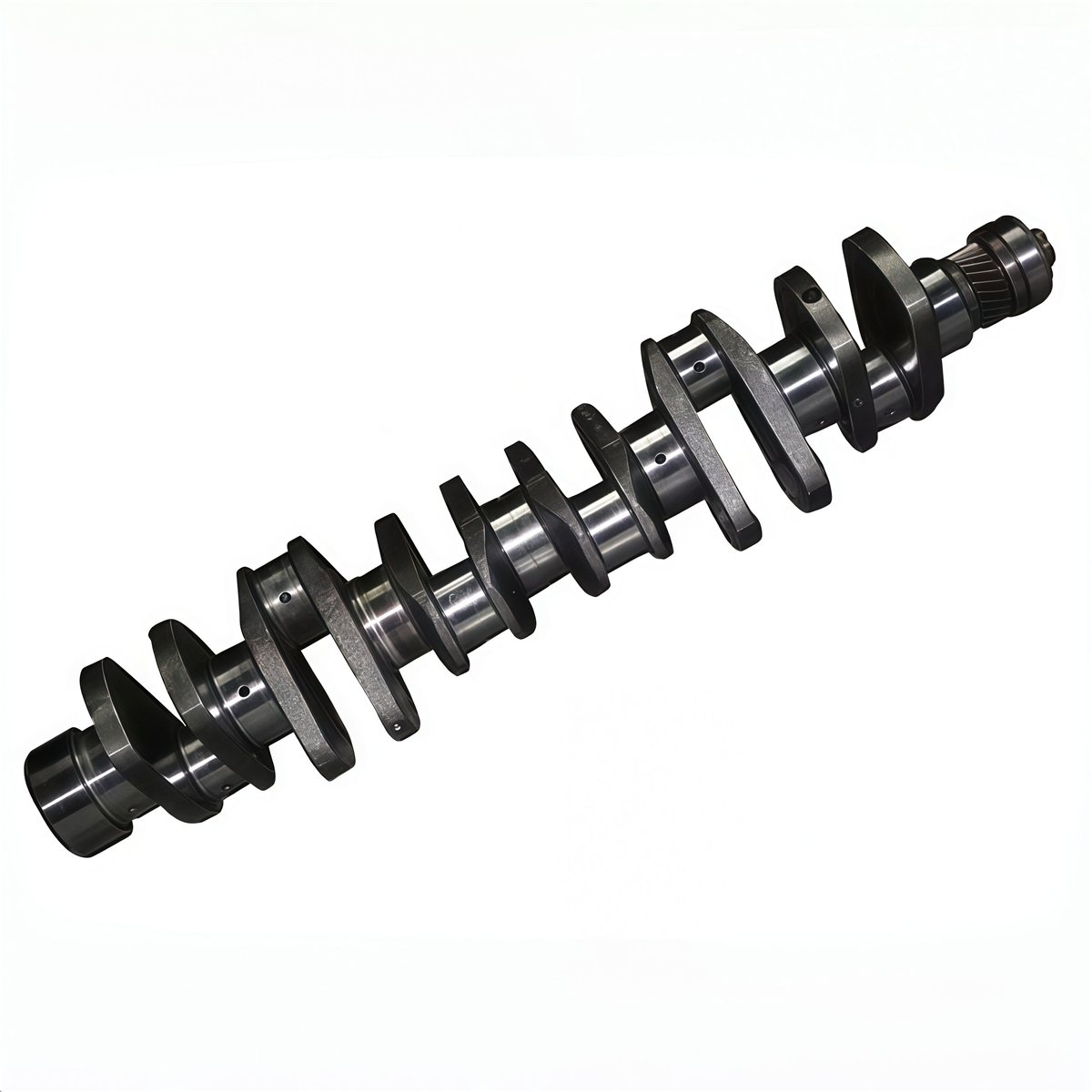
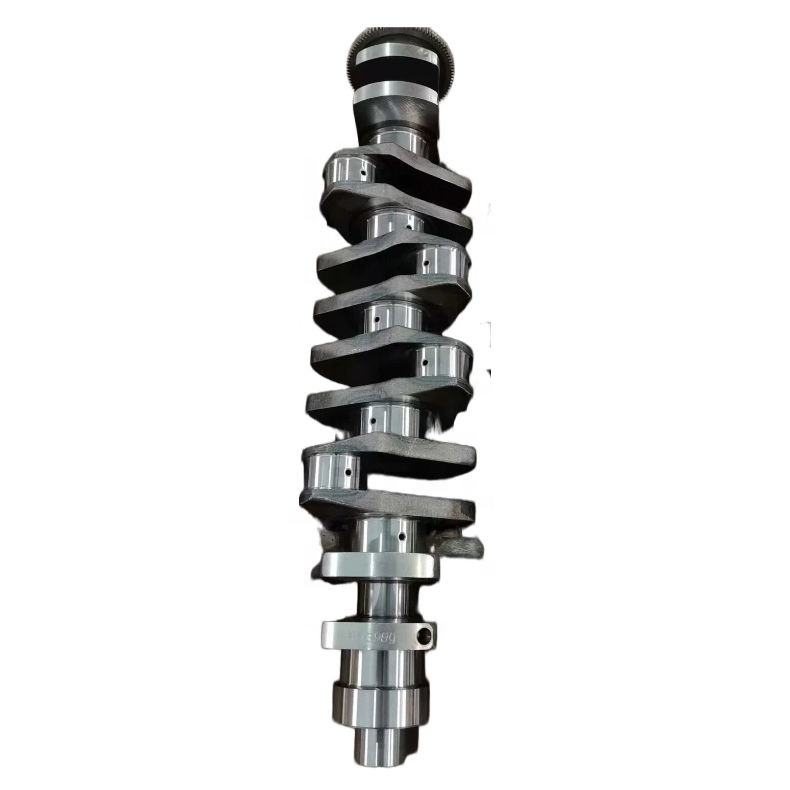
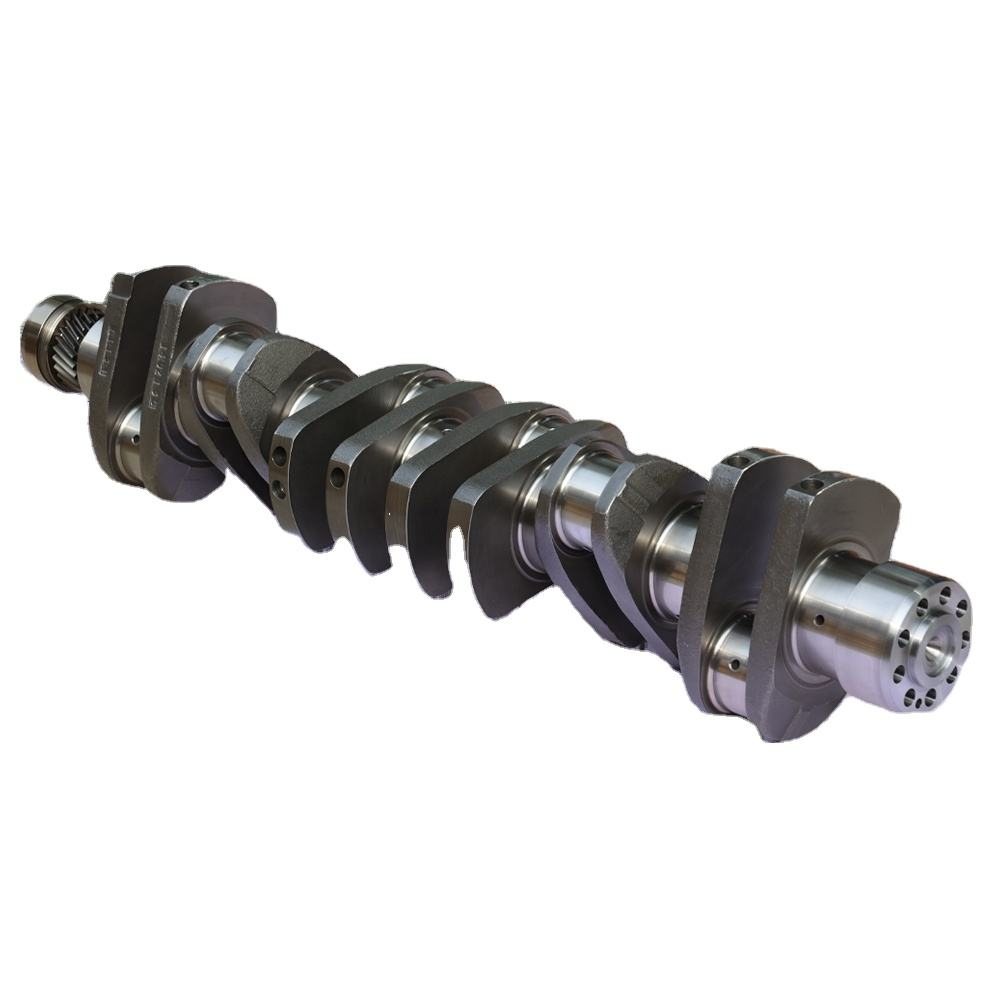
Model: WP13
Part Number: 612700020003
Brands: Weichai Power
Engine Model: WP13, WP13.480, WP13.500, WP13.550, WP13.580
Engine Type: Diesel
Scope of application: heavy haulage trucks, mining dump trucks, construction machinery, generator sets
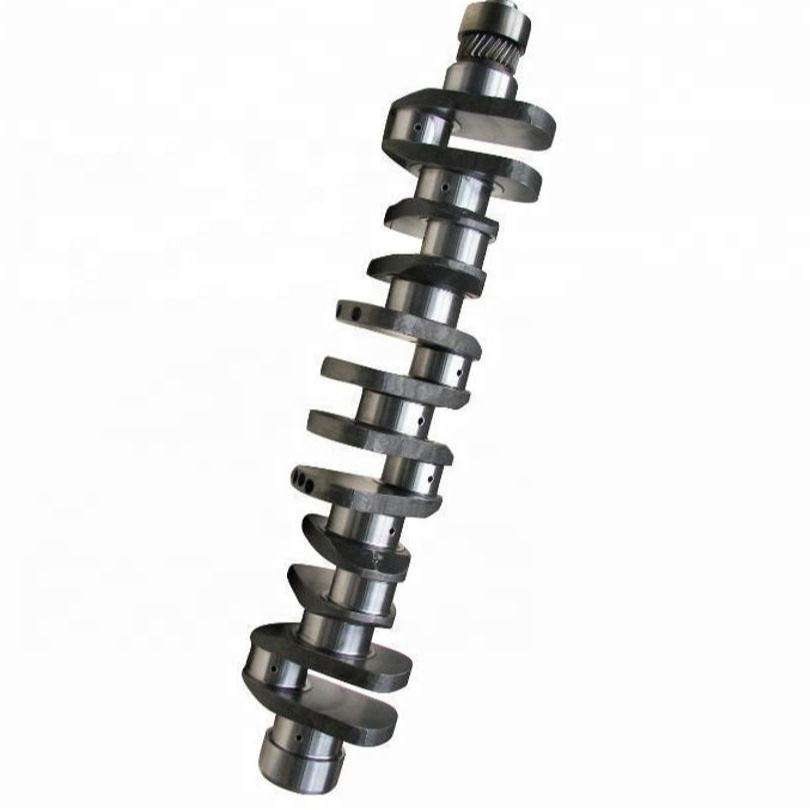
The crankshaft converts the linear force of combustion into rotation and delivers it to the flywheel and gearbox. In the Weichai WP13 it carries six connecting rods, drives the oil pump and camshaft through the front gear train, and absorbs torsional vibration through the damper. Part 612700020003 is the standard crankshaft for this 13-litre engine, used in heavy trucks, mining equipment and generator sets.
Crankshaft condition decides whether an engine can be rebuilt or must be scrapped. Journals that are out of round, a shaft that has been bent by a hydraulic lock, or a damaged thrust face will destroy bearings in minutes and can crack the block.
The shaft fits the WP13 series across its horsepower ratings. Typical installations include HOWO and Shacman heavy tractors, 8x4 mining dump trucks, large loaders and 300 to 500 kVA generator sets. Always confirm the engine plate and the old crankshaft number: some industrial and marine versions use a different front Pulley or flange arrangement, even though the main dimensions are identical.
Our shafts are forged from alloy steel, heat treated, shot peened and nitrided before final grinding. Production checks include:
Shafts are packed with protective sleeves on the journals and shipped in a rigid crate. If you need a specific undersize, tell us before the order ships; regrinding after delivery is not practical for export buyers.
A knock under load is the classic warning. If it is ignored, the rod bearing will spin and destroy both the journal and the connecting rod.
Three numbers matter: the engine model, the crankshaft part number and the required journal size. A shaft that has been reground to an undersize must be matched with the correct bearing shells, and mixing sizes causes rapid failure. Tell us the bearing shell part numbers you plan to use and we will confirm compatibility.
For workshops rebuilding several WP13 engines a year, keeping one standard shaft in stock shortens turnaround for emergency repairs.
Most crankshaft failures come from lubrication or vibration. Use the specified oil grade, change it at the severe-duty interval and keep the oil cooler and filter housing clean. Never run with a leaking injector that dilutes the oil, and replace the damper at the recommended interval. On engines that have suffered a hydraulic lock, always check the shaft for straightness before reuse.
The WP13 crankshaft is normally ordered together with a matched set of main and rod bearings. Because the shaft and the shells are lapped to each other in service, buying a shaft without knowing the bearing size is the most common cause of a failed rebuild. Give us the engine serial number and the bearing shell part numbers you intend to use, and we will confirm that the journal size matches before packing.
For export orders the shaft is crated and braced so the journals cannot touch the crate walls. If you are consolidating several engine parts in one container, tell us the total weight in advance so we can plan the packing and avoid damage to lighter items placed beside it.
Old shafts returned as cores are accepted in some markets; ask your account manager whether a core credit applies to your destination. Where a core is not returned, the old shaft should be scrapped rather than re-machined, because a shaft that has already been reground twice has little hardened layer left.
Yes. The journals and fillets are nitrided to resist wear and fatigue.
It can be reground to an undersize if the journals are not through the hardened layer, but for export customers we recommend a new shaft with standard journals.
Strongly recommended. A tired damper is a common cause of shaft failure.
Mount it on centres and measure run-out at the centre journal; anything beyond the specification means replacement.
Explore the Weichai crankshaft category, and complete the rebuild with the WP13 cylinder block 612700010001 or the WP13 cylinder head 612700040030.
We offer OEM quality and excellent after-sales service as a complementary option. Engine brands supported include Weichai, Baudouin, Yuchai, Caterpillar, FAW Xichai, Sinotruk, Cummins and other engine parts. Specifically engine overhaul kits, pistons, cylinder liners, crankshafts, camshafts, fuel pumps, water pumps, lube pumps, injectors, and other performance parts.
If you are not sure about the part number that you need, please provide all the information you have, such as the equipment nameplate, engine nameplate or engine number, or real photos.

The crankshaft converts the linear force of combustion into rotation and delivers it to the flywheel and gearbox. In the Weichai WP13 it carries six connecting rods, drives the oil pump and camshaft through the front gear train, and absorbs torsional vibration through the damper. Part 612700020003 is the standard crankshaft for this 13-litre engine, used in heavy trucks, mining equipment and generator sets.
Crankshaft condition decides whether an engine can be rebuilt or must be scrapped. Journals that are out of round, a shaft that has been bent by a hydraulic lock, or a damaged thrust face will destroy bearings in minutes and can crack the block.
The shaft fits the WP13 series across its horsepower ratings. Typical installations include HOWO and Shacman heavy tractors, 8x4 mining dump trucks, large loaders and 300 to 500 kVA generator sets. Always confirm the engine plate and the old crankshaft number: some industrial and marine versions use a different front Pulley or flange arrangement, even though the main dimensions are identical.
| We Are 30 Years Diesel Engine Parts Supplier | |
| Brand | EPID |
| Warranty | 12 Months |
| Condition | 100%New |
| More Models | Weichai: WP13, WP13.480, WP13.500, WP13.550, WP13.580, and other Weichai series. |
| Shipping | By sea / air / express (DHL, FEDEX, TNT, UPS, EMS) |
| Packing | Standard exporting packing or as required |
| Payment Term | L/C, T/T, Western Union, Trade Assurance |
| Delivery Time | 3-7 days (depend on order) |
| Selling Point | 1. On-time Delivery 2. Genuine Quality Assurance 3. Professional Supplier |
Our shafts are forged from alloy steel, heat treated, shot peened and nitrided before final grinding. Production checks include:
Shafts are packed with protective sleeves on the journals and shipped in a rigid crate. If you need a specific undersize, tell us before the order ships; regrinding after delivery is not practical for export buyers.
A knock under load is the classic warning. If it is ignored, the rod bearing will spin and destroy both the journal and the connecting rod.
Three numbers matter: the engine model, the crankshaft part number and the required journal size. A shaft that has been reground to an undersize must be matched with the correct bearing shells, and mixing sizes causes rapid failure. Tell us the bearing shell part numbers you plan to use and we will confirm compatibility.
For workshops rebuilding several WP13 engines a year, keeping one standard shaft in stock shortens turnaround for emergency repairs.
Most crankshaft failures come from lubrication or vibration. Use the specified oil grade, change it at the severe-duty interval and keep the oil cooler and filter housing clean. Never run with a leaking injector that dilutes the oil, and replace the damper at the recommended interval. On engines that have suffered a hydraulic lock, always check the shaft for straightness before reuse.
The WP13 crankshaft is normally ordered together with a matched set of main and rod bearings. Because the shaft and the shells are lapped to each other in service, buying a shaft without knowing the bearing size is the most common cause of a failed rebuild. Give us the engine serial number and the bearing shell part numbers you intend to use, and we will confirm that the journal size matches before packing.
For export orders the shaft is crated and braced so the journals cannot touch the crate walls. If you are consolidating several engine parts in one container, tell us the total weight in advance so we can plan the packing and avoid damage to lighter items placed beside it.
Old shafts returned as cores are accepted in some markets; ask your account manager whether a core credit applies to your destination. Where a core is not returned, the old shaft should be scrapped rather than re-machined, because a shaft that has already been reground twice has little hardened layer left.
Explore the Weichai crankshaft category, and complete the rebuild with the WP13 cylinder block 612700010001 or the WP13 cylinder head 612700040030.
Yes. The journals and fillets are nitrided to resist wear and fatigue.
It can be reground to an undersize if the journals are not through the hardened layer, but for export customers we recommend a new shaft with standard journals.
Strongly recommended. A tired damper is a common cause of shaft failure.
Mount it on centres and measure run-out at the centre journal; anything beyond the specification means replacement.
EPID supplies diesel engine parts for Weichai, Baudouin, Yuchai, Caterpillar, Sinotruk, FAW Xichai and Cummins engines. Every order is checked against the original part number before packing, and our team can identify a part from a photo of the engine plate. Ask for a quotation with your model and quantity and we will reply within one working day.