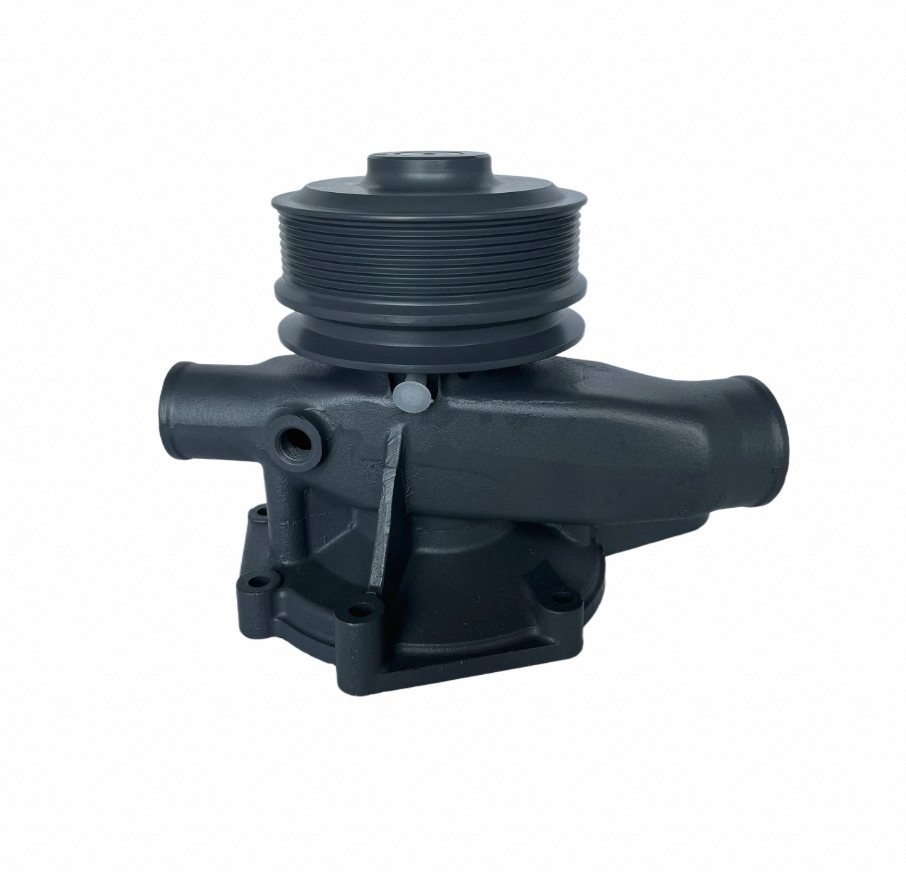
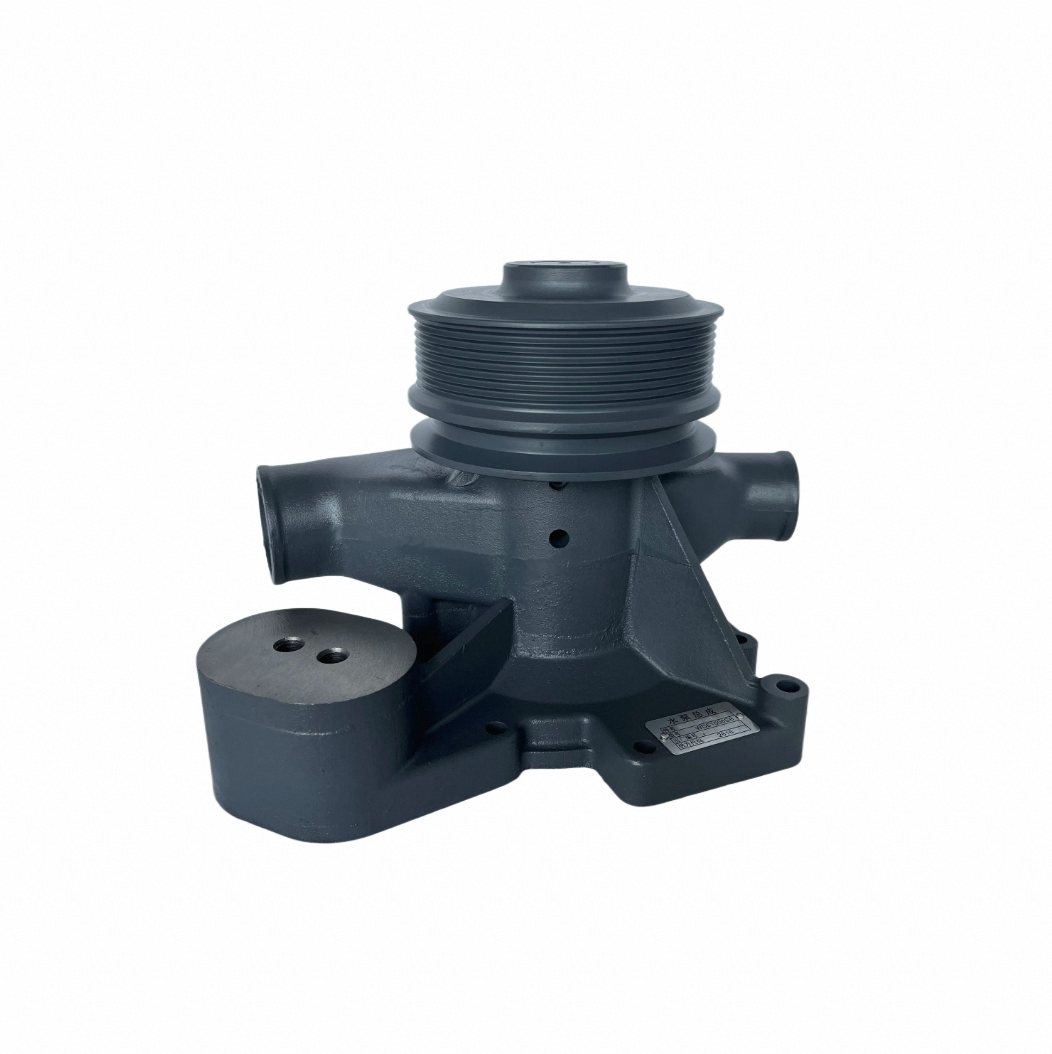
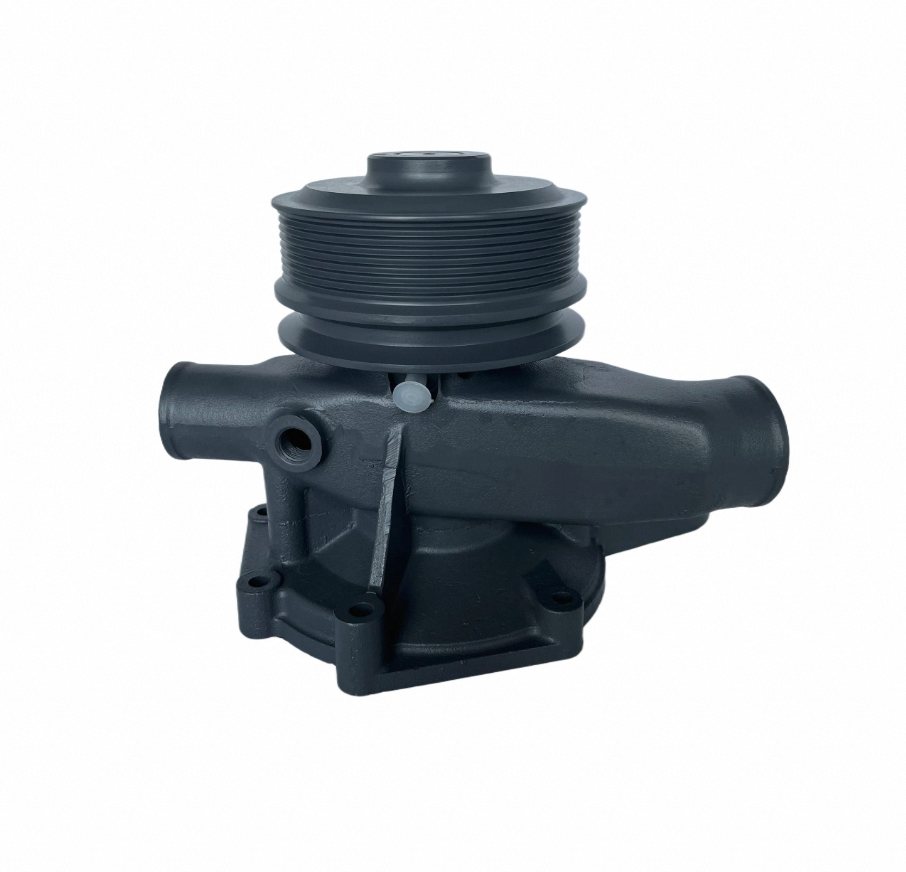
Model: WD615 / WP10
Part Number: 61800061036
Brands: Weichai Power
Engine Model: WD615, WD615E2, WD10, WP10, WP10G
Engine Type: Diesel
Scope of application: heavy trucks, buses, construction machinery, generator sets
Roughly a third of the energy in diesel fuel becomes useful work. The rest becomes heat, and the cooling system has to remove it continuously. Part 61800061036 is the water pump for the WD615 and WP10 engines, driven by belt from the crankshaft and sealed against the block. It keeps coolant moving through the block, head, oil cooler and radiator.
When the pump weakens, the engine does not overheat at idle. It overheats under load, exactly when the truck is working hardest, and on these engines that quickly means a warped head or a failed gasket.
The pump fits WD615 and WP10 engines in heavy trucks, buses, loaders and generator sets. Industrial and marine versions can use a different pulley or inlet arrangement even when the pump body is the same casting, so confirm the engine plate and the old pump number before ordering.
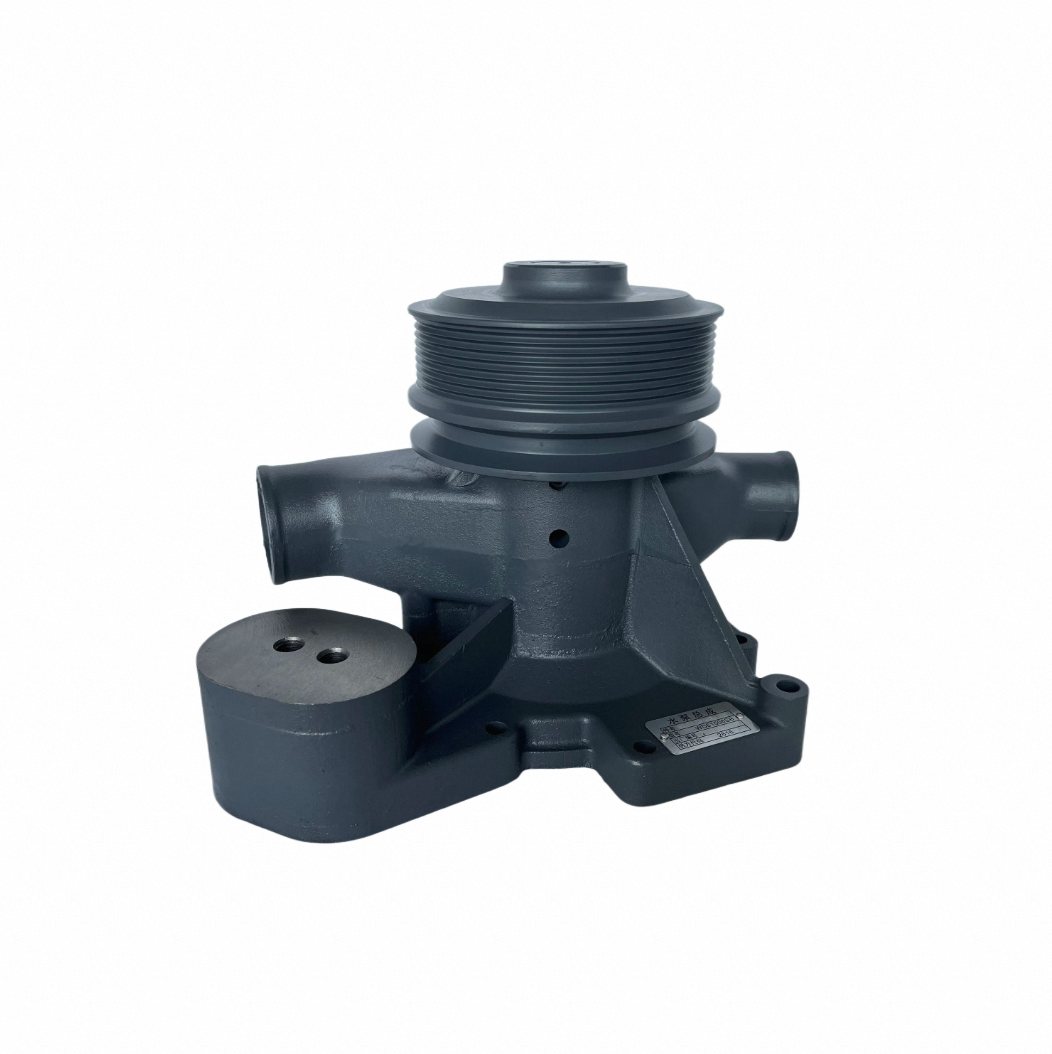
The pump uses a cast iron housing, a precision impeller, a sealed bearing cartridge lubricated for life and a mechanical face seal. Production checks cover the points that decide reliability.
Each pump ships with a new gasket and O-ring, hub protected so the seal is not disturbed in transit.
Coolant weep from the hole under the housing is the earliest sign. Noise comes later, when the bearing has already lost lubricant, and a wobbling fan is the last warning before the bearing collapses.
A failing bearing can let the fan contact the radiator, turning a cheap repair into an expensive one.
Most premature pump failures come from belt alignment rather than the pump itself. A worn tensioner, a misaligned idler or the wrong pulley offset side-loads the bearing continuously, and the seal starts weeping within a few thousand kilometres. Before fitting a new pump, check the belt path with a straight edge across the pulleys and replace any component with play.
Match the engine plate, the old pump number and the pulley type. Road, industrial and marine versions differ in pulley diameter and inlet position even when the casting looks the same. Send a photo of the old pump beside a ruler and we will confirm before shipping.
Pumps last longest in clean systems. Flush the radiator at interval, keep coolant concentration correct and replace the thermostat and pressure cap when due. Clean the radiator core externally in dusty operations; a blocked core raises coolant temperature and shortens seal life even when the pump is healthy.
For fleets, keep two pumps on the shelf, one for fitment and one as a loan unit, together with gaskets and thermostat housing seals. A pump is compact, does not deteriorate in storage and costs far less than a day of downtime.
Most pumps fail early because of the cooling system around them rather than the pump itself. Mixing coolant concentrate with tap water at the wrong ratio reduces inhibitor protection and allows scale to form inside the housing. On engines filled dry after a rebuild, trapped air creates hot spots and can leave the pump running dry for the first seconds after start-up, which damages the seal.
Fill slowly at the highest point, open the heater circuit where fitted, and run the engine with the cap off until the thermostat opens. Then top up, fit the cap and recheck after the first cool-down. A system that needs repeated topping up has a leak, and on a diesel that leak is usually the early stage of a head gasket failure.
Yes, the gasket and O-ring are supplied.
Only to reach a workshop. Coolant loss leads to overheating.
The pump comes with the hub. Tell us if you need the complete assembly.
Remove the belt and spin the pump by hand. Roughness or play confirms the bearing.
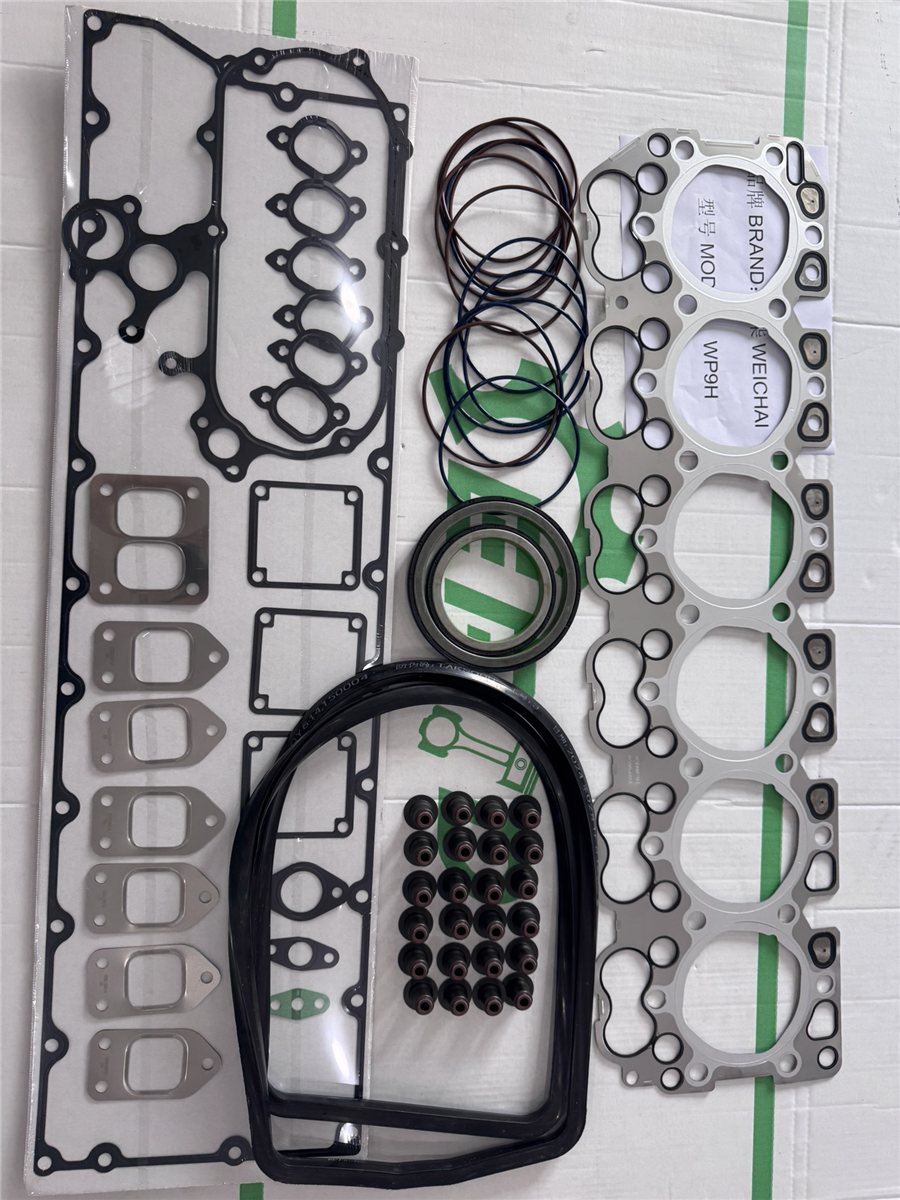
Browse the Weichai pump category, and pair the pump with the WD615 full gasket kit 612600040355 or the WD615 cylinder head 61560040040.
Weichai WD615 Water Pump (61800061036). The coolant pump circulates flow through the block and head. Its impeller, seal and bearing are matched to the housing, and the pulley mounting sets belt alignment.
Measure pulley diameter and the distance from the mounting face to the pulley centreline. A correct body casting with the wrong pulley destroys belt alignment within hours.
The part number is the reliable identifier here. Where the old number is unreadable, measure the component and compare it with the drawing rather than guessing from the engine model. On this engine, confirm the WD615 application against the engine plate before ordering.
Drain and refill with the correct coolant mix and bleed the system completely. Air in the system causes hot spots and accelerates cavitation damage on the liners.
Ordering note. Payment terms and shipping method are confirmed in writing before dispatch, including the port of loading and the estimated transit time.
Related reading: Cylinder Liner Cavitation: Causes, Symptoms and Prevention
| We Are 30 Years Diesel Engine Parts Supplier | |
| Brand | EPID |
| Warranty | 12 Months |
| Condition | 100%New |
| More Models | Weichai: WD615, WD615E2, WD10, WP10, WP10G, and other Weichai series. |
| Shipping | By sea / air / express (DHL, FEDEX, TNT, UPS, EMS) |
| Packing | Standard exporting packing or as required |
| Payment Term | L/C, T/T, Western Union, Trade Assurance |
| Delivery Time | 3-7 days (depend on order) |
| Selling Point | 1. On-time Delivery 2. Genuine Quality Assurance 3. Professional Supplier |
The pump uses a cast iron housing, a precision impeller, a sealed bearing cartridge lubricated for life and a mechanical face seal. Production checks cover the points that decide reliability.
Each pump ships with a new gasket and O-ring, hub protected so the seal is not disturbed in transit.
Coolant weep from the hole under the housing is the earliest sign. Noise comes later, when the bearing has already lost lubricant, and a wobbling fan is the last warning before the bearing collapses.
A failing bearing can let the fan contact the radiator, turning a cheap repair into an expensive one.
Most premature pump failures come from belt alignment rather than the pump itself. A worn tensioner, a misaligned idler or the wrong pulley offset side-loads the bearing continuously, and the seal starts weeping within a few thousand kilometres. Before fitting a new pump, check the belt path with a straight edge across the pulleys and replace any component with play.
Match the engine plate, the old pump number and the pulley type. Road, industrial and marine versions differ in pulley diameter and inlet position even when the casting looks the same. Send a photo of the old pump beside a ruler and we will confirm before shipping.
Pumps last longest in clean systems. Flush the radiator at interval, keep coolant concentration correct and replace the thermostat and pressure cap when due. Clean the radiator core externally in dusty operations; a blocked core raises coolant temperature and shortens seal life even when the pump is healthy.
For fleets, keep two pumps on the shelf, one for fitment and one as a loan unit, together with gaskets and thermostat housing seals. A pump is compact, does not deteriorate in storage and costs far less than a day of downtime.
Most pumps fail early because of the cooling system around them rather than the pump itself. Mixing coolant concentrate with tap water at the wrong ratio reduces inhibitor protection and allows scale to form inside the housing. On engines filled dry after a rebuild, trapped air creates hot spots and can leave the pump running dry for the first seconds after start-up, which damages the seal.
Fill slowly at the highest point, open the heater circuit where fitted, and run the engine with the cap off until the thermostat opens. Then top up, fit the cap and recheck after the first cool-down. A system that needs repeated topping up has a leak, and on a diesel that leak is usually the early stage of a head gasket failure.
Browse the Weichai pump category, and pair the pump with the WD615 full gasket kit 612600040355 or the WD615 cylinder head 61560040040.
Yes, the gasket and O-ring are supplied.
Only to reach a workshop. Coolant loss leads to overheating.
The pump comes with the hub. Tell us if you need the complete assembly.
Remove the belt and spin the pump by hand. Roughness or play confirms the bearing.
EPID supplies diesel engine parts for Weichai, Baudouin, Yuchai, Caterpillar, Sinotruk, FAW Xichai and Cummins engines. Every order is checked against the original part number before packing, and our team can identify a part from a photo of the engine plate. Ask for a quotation with your model and quantity and we will reply within one working day.