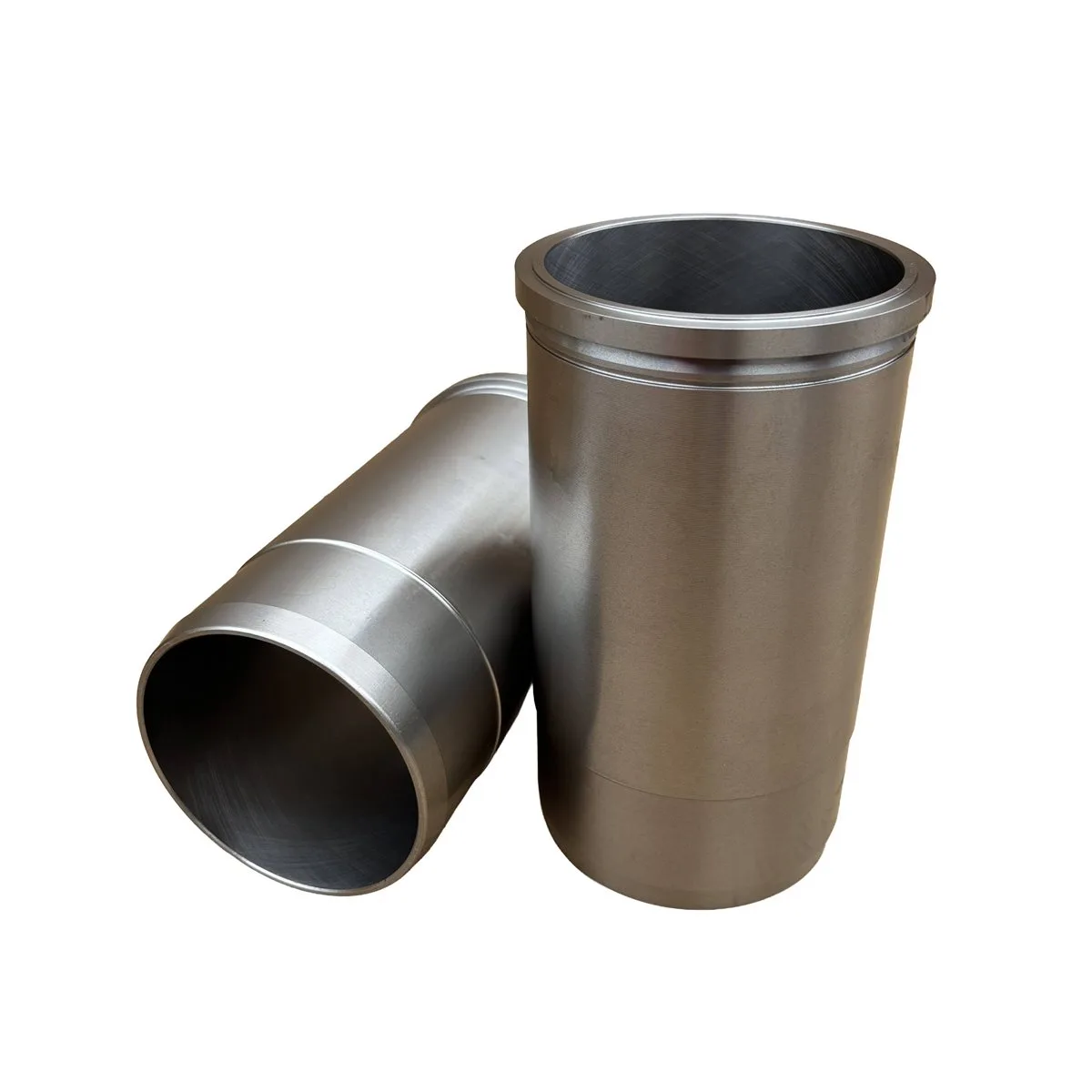
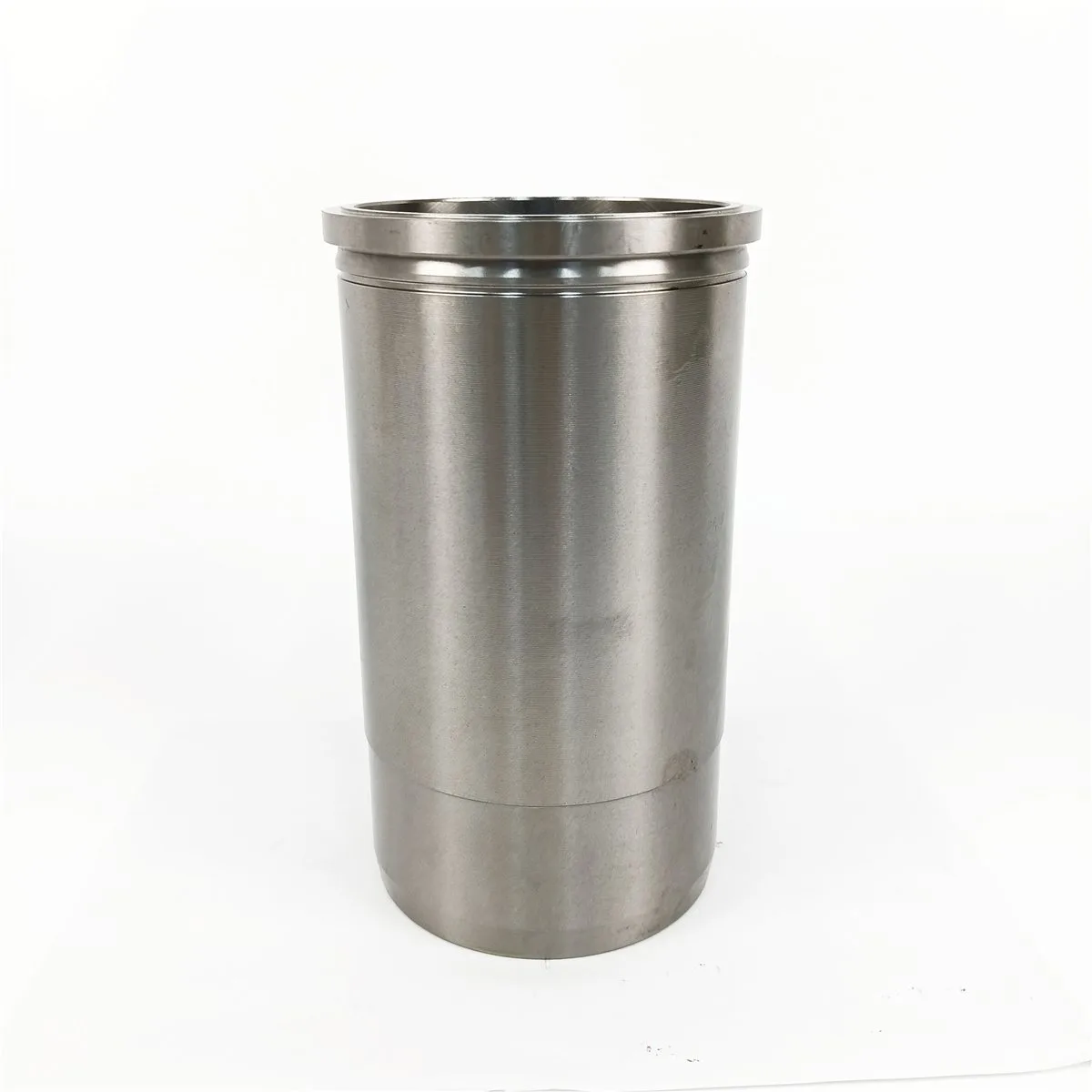
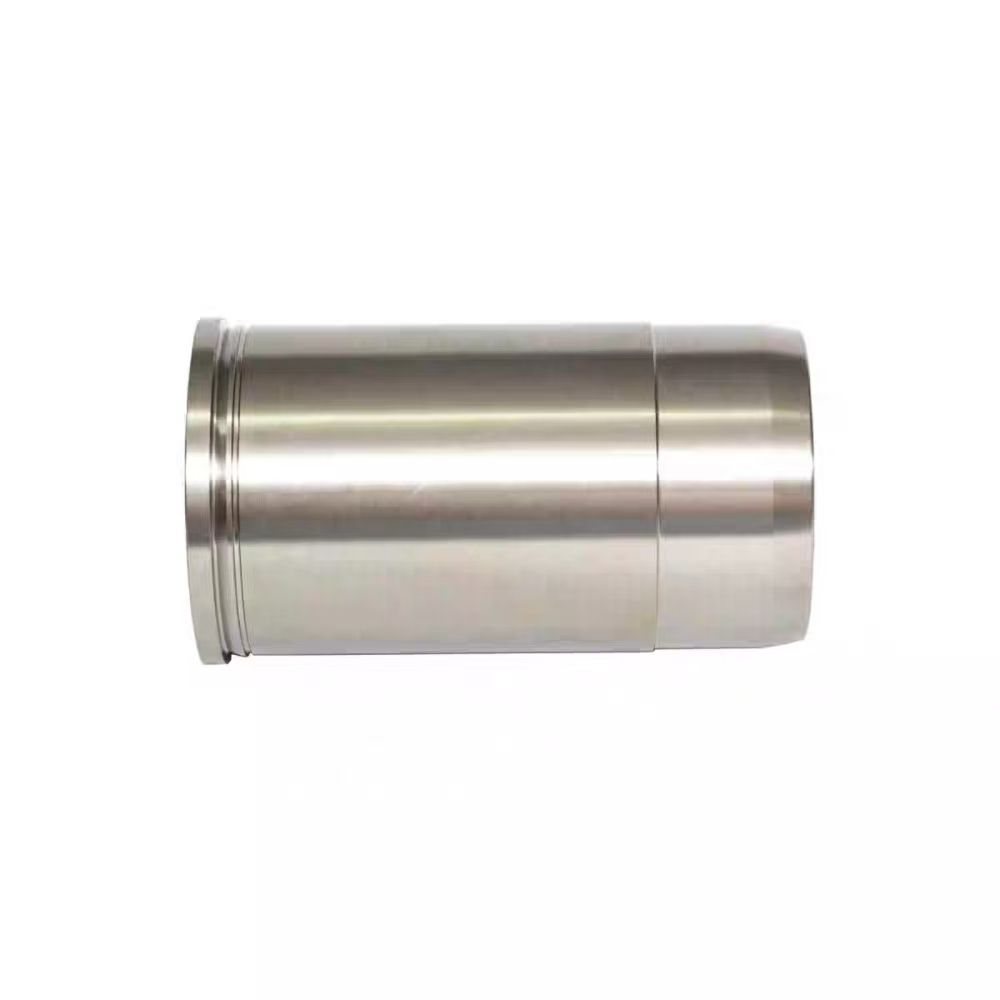
Model: 4M10G110 / 4M10G70 / 4M10G88
Part Number: 1000156635
Brands: Baudouin
Engine Model: 4M10G70, 4M10G88, 4M10G110
Engine Type: Marine and industrial diesel
Scope of application: marine propulsion, marine auxiliary, generator sets, industrial power units
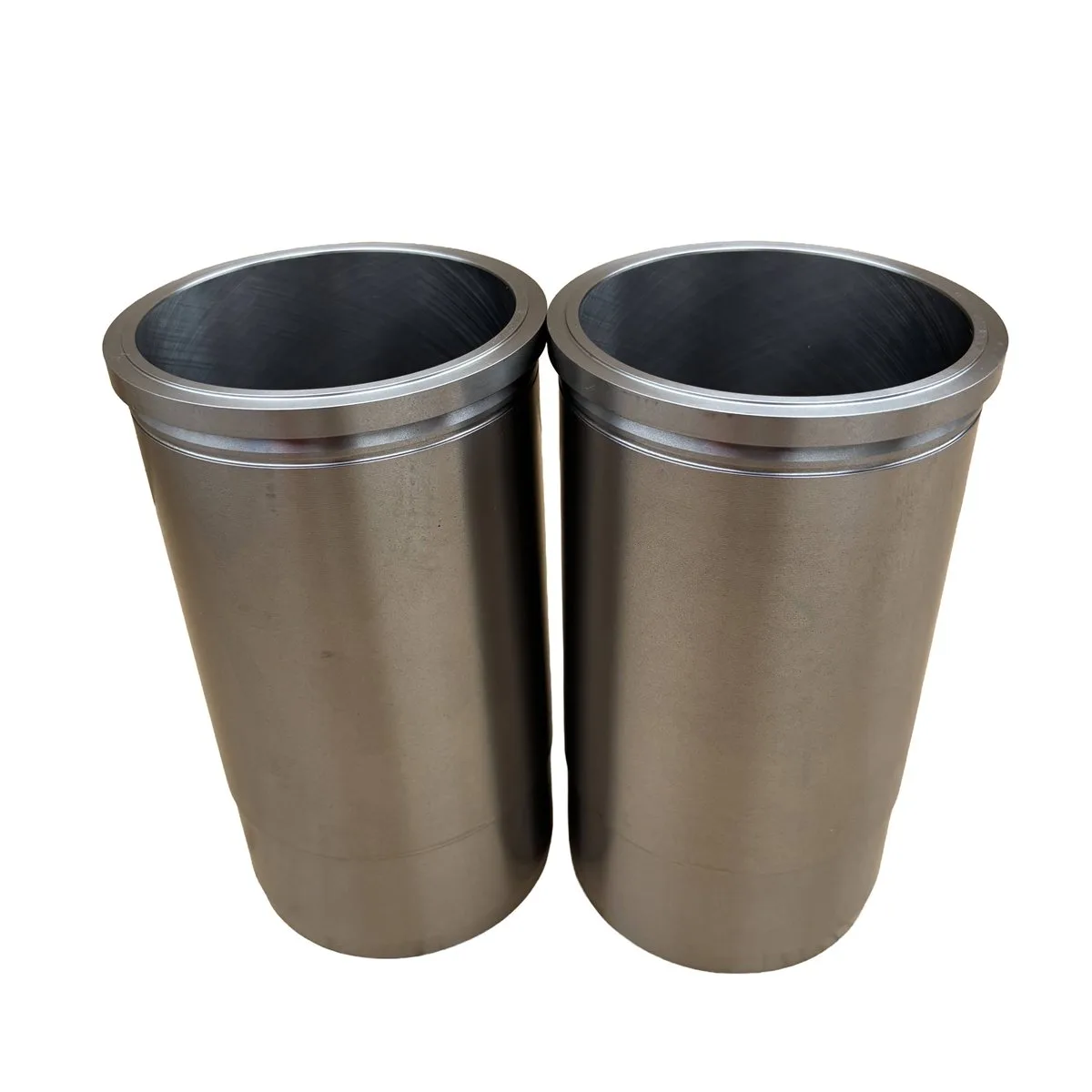
The cylinder liner is the wall the piston rings run against. It contains combustion pressure, conducts heat into the coolant and provides the upper sealing surface for the head gasket. Part 1000156635 is the liner shared by the Baudouin 4M10G70, 4M10G88 and 4M10G110 engines.
Liner wear is gradual and then decisive. Once the honed cross hatch has polished away, rings cannot retain oil and the bore begins to scuff. Oil consumption rises, blow-by increases and eventually only a rebuild restores performance.
The liner fits all three 4M10G ratings. Confirm the engine plate and the old liner number before ordering: flange thickness and O-ring groove position differ between production batches, and a liner that sits at the wrong height causes head gasket failure.
Liners are centrifugally cast in high-phosphorus iron, machined and plateau honed. Checks before packing cover the dimensions that decide sealing and oil control.
Each liner ships with its O-ring set. Use assembly grease, never oil-based grease, which swells the rubber and starts a coolant leak.
On a marine engine, exhaust smoke colour and oil consumption records are the most reliable early indicators.
Protrusion is the small height the liner stands above the deck. It allows the fire ring to crush onto the liner top and seal combustion pressure. Too low and gas escapes into the coolant; uneven across cylinders and the gasket is clamped unevenly. Do not compensate by over-torquing head bolts.
Marine engines cooled through a heat exchanger can suffer cavitation pitting on the outside of the liner when coolant chemistry is neglected or when air enters the circuit. Pitting eventually perforates the liner into the water jacket. The defence is correct coolant mixture and a properly maintained heat exchanger.
Order the liner, piston and ring as a matched set where possible. A liner honed for one ring type may not suit another brand, and mixing parts is the most common cause of oil consumption immediately after a rebuild.
Keep coolant chemistry in range, change oil at the hours-based interval and keep the air filter clean. Salt air and dust both accelerate wear, so inspect the intake system at every service on a working boat.
A used liner should be measured with a bore gauge at three heights and in two directions to find ovality and taper. A bore that is oval by more than the service limit will not seal new rings, and honing it only removes material without restoring roundness. The same applies to a bore with a visible ridge at the top of ring travel.
Record the measurements for each cylinder. On a four-cylinder engine the difference between cylinders matters as much as the absolute wear, because uneven compression makes the engine rough and increases vibration through the propeller shaft.
After a rebuild, run the engine at varying load rather than holding one setting for hours. Marine break-in is usually done over the first twenty to fifty hours, with load gradually increased and oil changed early. Holding full load immediately glazes the bores and the rings never seal properly.
Liners are supplied oiled and wrapped because a bare bore corrodes quickly, especially in a humid engine room. Keep them in their packaging until the block is clean and ready. If a liner has been sitting exposed and shows surface rust, do not polish it with abrasive paper: the honed finish is what allows rings to seat, and hand polishing destroys it.
Yes, the correct set for the block bore is supplied with each liner.
Yes, the same liner covers 4M10G70, 4M10G88 and 4M10G110.
No. They are supplied plateau honed and ready to fit.
Cavitation from incorrect coolant or air in the system.
Browse the Baudouin cylinder liner category, and complete the rebuild with the 4M10G cylinder block 1004708401 or the 4M10G piston range.
Baudouin Cylinder Liner (1000156635). The liner forms the bore the piston runs in and, being a wet liner on these engines, is also directly exposed to coolant on its outer surface.
Confirm the flange thickness and outside diameter against the block you are fitting to. Liner seats were revised, and a liner from the wrong revision will not protrude correctly.
Numbers beginning 1000 come from the newer numeric series used for assemblies and later-production parts. This series replaced several earlier numbers, so a cross-reference check is worthwhile.
Measure protrusion on every cylinder with a dial gauge and record the figures. Uneven protrusion produces a head gasket failure that looks like a gasket fault.
Ordering note. Packing is export grade: each unit is wrapped, boxed and palletised for sea freight, with the part number marked on the outside so the receiving store can book it in without opening the carton.
Related reading: Cylinder Liner Cavitation: Causes, Symptoms and Prevention
| We Are 30 Years Diesel Engine Parts Supplier | |
| Brand | EPID |
| Warranty | 12 Months |
| Condition | 100%New |
| More Models | Weichai: 4M10G70, 4M10G88, 4M10G110, and other Weichai series. |
| Shipping | By sea / air / express (DHL, FEDEX, TNT, UPS, EMS) |
| Packing | Standard exporting packing or as required |
| Payment Term | L/C, T/T, Western Union, Trade Assurance |
| Delivery Time | 3-7 days (depend on order) |
| Selling Point | 1. On-time Delivery 2. Genuine Quality Assurance 3. Professional Supplier |
Liners are centrifugally cast in high-phosphorus iron, machined and plateau honed. Checks before packing cover the dimensions that decide sealing and oil control.
Each liner ships with its O-ring set. Use assembly grease, never oil-based grease, which swells the rubber and starts a coolant leak.
On a marine engine, exhaust smoke colour and oil consumption records are the most reliable early indicators.
Protrusion is the small height the liner stands above the deck. It allows the fire ring to crush onto the liner top and seal combustion pressure. Too low and gas escapes into the coolant; uneven across cylinders and the gasket is clamped unevenly. Do not compensate by over-torquing head bolts.
Marine engines cooled through a heat exchanger can suffer cavitation pitting on the outside of the liner when coolant chemistry is neglected or when air enters the circuit. Pitting eventually perforates the liner into the water jacket. The defence is correct coolant mixture and a properly maintained heat exchanger.
Order the liner, piston and ring as a matched set where possible. A liner honed for one ring type may not suit another brand, and mixing parts is the most common cause of oil consumption immediately after a rebuild.
Keep coolant chemistry in range, change oil at the hours-based interval and keep the air filter clean. Salt air and dust both accelerate wear, so inspect the intake system at every service on a working boat.
A used liner should be measured with a bore gauge at three heights and in two directions to find ovality and taper. A bore that is oval by more than the service limit will not seal new rings, and honing it only removes material without restoring roundness. The same applies to a bore with a visible ridge at the top of ring travel.
Record the measurements for each cylinder. On a four-cylinder engine the difference between cylinders matters as much as the absolute wear, because uneven compression makes the engine rough and increases vibration through the propeller shaft.
After a rebuild, run the engine at varying load rather than holding one setting for hours. Marine break-in is usually done over the first twenty to fifty hours, with load gradually increased and oil changed early. Holding full load immediately glazes the bores and the rings never seal properly.
Liners are supplied oiled and wrapped because a bare bore corrodes quickly, especially in a humid engine room. Keep them in their packaging until the block is clean and ready. If a liner has been sitting exposed and shows surface rust, do not polish it with abrasive paper: the honed finish is what allows rings to seat, and hand polishing destroys it.
Browse the Baudouin cylinder liner category, and complete the rebuild with the 4M10G cylinder block 1004708401 or the 4M10G piston range.
Yes, the correct set for the block bore is supplied with each liner.
Yes, the same liner covers 4M10G70, 4M10G88 and 4M10G110.
No. They are supplied plateau honed and ready to fit.
Cavitation from incorrect coolant or air in the system.
EPID supplies diesel engine parts for Weichai, Baudouin, Yuchai, Caterpillar, Sinotruk, FAW Xichai and Cummins engines. Every order is checked against the original part number before packing, and our team can identify a part from a photo of the engine plate. Ask for a quotation with your model and quantity and we will reply within one working day.